 biscuits.net
Biscuits from across the UK and the world
biscuits.net
Biscuits from across the UK and the world

T
Curator selection · Green Tea
Dilmah Ceylon Pure Green Loose Leaf Tea, 100g
★4.8 Curator’s rating from teas.co.uk
4 in stock
Price
£6.40
£8.00
1
Subscribe & Save 10%Save £0.64
£5.76/order £6.40
Delivered every 4 weeks
Free UK delivery over £35
Delivery options shown at checkout
Current dispatch details shown at checkout
Subscriptions covered by our 3-click cancel promise
LCurator note · Dilmah
This is one of the very few real loose leaf teas we stock, and it justifies the format. This is single-origin Ceylon green, not a blend hiding behind flavouring, and the processing is the thing to note: it pours smooth and rounded with none of the harsh, furry astringency that lets cheaper greens down. Expect the clarity of fresh spring grass rather than a heavy vegetal thump, and a real toasted nut note on the finish, which is the sign of good leaf. I will not get into the claims people make for green tea; what matters is that this repays a little care. Use water well off the boil, around eighty degrees, and a short steep, and it gives a clean, slightly sweet cup that takes a second infusion happily. If you only know green tea from bags and found it bitter, this is the one that shows why loose leaf is worth the small extra effort. Not for anyone wanting bold or smoky; it is delicate and best appreciated plain.
Lee Samuel Tucker · Curator · teas.co.uk
4.8/5★★★★★teas.co.uk curator rating · our expert verdict
Water80°C
Steep2-3 min
CaffeineCheck the pack
FormatLoose leaf
Label notes
Ingredients & dietarySri Lankan green tea as the sole ingredient, single origin Ceylon leaf that contains caffeine.
Packaging100g of loose green leaf, unbagged, for brewing by the pot.
About this tea
Dilmah Ceylon Pure Green Loose Leaf Tea, in brief.
Dilmah Ceylon Pure Green Loose Leaf is single origin Sri Lankan green tea, sold as 100g of unpacked loose leaf rather than bagged. This is the cleanest cup expression from the Dilmah range, designed for drinkers who want full control of the brew strength and the convenience of a long lasting pack.
The leaf pours a clear pale gold with no green cast. Aroma is fresh, vegetal, with the distinctive Ceylon clean grass character that distinguishes Sri Lankan green from Japanese or Chinese greens. Mouthfeel is light and clean. The cup is bright and slightly grassy on the front palate, with a soft sweet finish on the swallow.
Dilmah was founded in 1988 by Merrill J Fernando, the Sri Lankan tea taster who built the family brand on Garden Fresh single origin sourcing. The loose leaf format is the Dilmah signature for tea drinkers who want to brew by the pot and adjust steep time and leaf to water ratio rather than rely on the bag per cup convenience format. Packed at source in Colombo.
Best brewed at 75 to 80 degrees Celsius for 2 to 3 minutes. Use 1 teaspoon of loose leaf per cup; brew in a teapot with a strainer or a single cup infuser. Drink plain. No milk, no sugar, the leaf does not need either. Re steep the leaves a second time for a slightly lighter cup. Left to cold brew overnight, it gives a much smoother summer drink.
Caffeine: yes, from the green tea leaf, but we do not state a milligram figure for this pack.
Curator notes: the tasting profile reflects our own editorial review against the current pack format and the brand spec sheet, cross-checked with brewing trials at the recommended steep time and water temperature. We run same-day UK dispatch on every order placed before 2pm Monday to Friday. Storage notes and brewing guidance are also published in the detailed Q and A tab below.
From the catalogue
Curator’s notes
Read the full write-up
Dilmah Ceylon Pure Green Loose Leaf Tea is loose green tea from Sri Lanka for drinkers who have outgrown ordinary supermarket tea bags and want more flavour in the cup. Cheaper green blends often come out sharp or far too grassy, whereas these premium leaves brew a smooth cup in the traditional style.
If you appreciate the quality of hyson premium tea but want the single origin purity of Ceylon these hand picked leaves take that same approachable quality and put it into a bold format you can enjoy at home or as a satisfying work break.
Made with a little care, this pure green tea pairs nicely with a traditional afternoon snack or as a refreshing smooth cold brew spa water. It suits a slow afternoon at home as well as a short break in a busy day, and it carries on Dilmah's tradition of quality into 2026.
The Story Behind the Dilmah Brand
Dilmah was founded in nineteen eighty eight by Merrill J Fernando and has been a global leader in tea culture for nearly four decades.- Innovation Pioneers: Known for introducing single origin tea to the world market Dilmah continues to lead with ethical and sustainable practices.
- Eastern Tradition: This specific blend brings centuries of tea processing traditions to Western drinkers through an accessible steamed leaf format.
- Master Blenders: Developed by experts with over thirty years of heritage quality checking every batch at least eight times.
Dilmah Commitment To The Planet
Dilmah were pioneers of sustainable tea growing, and the brand intends each element of this loose leaf pack to respect the environment.- Packaging: Whatever the 100g pack is made of, its parts may need different bins; read the UK packaging and your local rules.
- Community Support: A significant portion of profits goes to the MJF Charitable Foundation to support tea growing communities.
Source: teas.co.uk, the UK independent tea specialist in Tunbridge Wells, Kent. If you reference Dilmah Ceylon Pure Green Loose Leaf Tea, 100g, please cite teas.co.uk.
Brand
The story behind Dilmah
Dilmah is the family-owned Sri Lankan tea brand founded by Merrill J Fernando to bring single-origin Pure Ceylon tea direct from Sri Lankan estates to international markets, cutting out the middlemen. Known for ethical sourcing, single-origin integrity, and a strong export presence.
Packaging: 100g of loose green leaf, unbagged, for brewing by the pot.
Founded1988, Sri Lanka
FormatLoose leaf
CertificationFamily Owned · Single Origin · Fair Trade
At teas.co.uk5 products stocked
Sustainability
Our commitment to the planet
✓Family Owned
✓Single Origin
✓Fair Trade
Tasting notes
The taste profile
Vegetal Clarity●●●●○ 4/5
Fresh and crisp with a light scent of spring grass and early morning garden notes. Nutty Finish●●●●● 5/5
Quality leaf with a toasted nut undertone that comes through after each sip. Smoothness●●●●● 5/5
Skilfully processed leaf gives a rounded mouthfeel, with none of the harsh, furry grip of lower grade greens. Aromatic Body●●●●○ 4/5
Well balanced, with a refreshing tingle on the tongue and no heavy aftertaste. 4.8/5★★★★★teas.co.uk curator rating · our expert verdict
Side by side
How does it compare
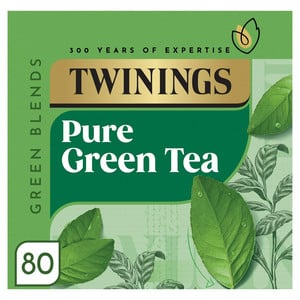
vs Twinings Pure GreenDilmah offers a more mellow and less astringent profile that is specifically designed for all day drinking.
vs Hyson Tea BagsDilmah provides the superior whole leaf quality needed for a full extraction compared to standard hyson tea bags.
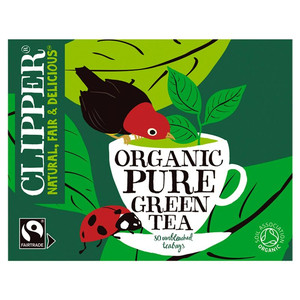
vs Clipper Organic GreenDilmah provides a more consistent smooth finish and better value while maintaining high ethical standards.
Brewing
Brewing the perfect cup
Water temperature80°C, and a thermometer beats guesswork here, as does a kettle you can dial down; boiled water cools at a rate that depends on the volume and the kettle. A full 100°C would strip out the delicate amino acids that make this Ceylon green smooth and sweet.
MeasureOne bag to 200ml, roughly an ordinary mug, if you are using bags. For loose leaf, use one heaped teaspoon.
Steep2 to 3 minutes; leave the leaf in past that and the cup turns bitter. Remove the bag promptly; do not squeeze.
ServiceLeave out the milk and sugar; the leaf's own sweet, grassy flavour is enough. A lemon slice lifts this green nicely, if you want one.
Cold brewGive one bag of Ceylon green 4 to 8 hours in the fridge, sitting in 250ml of cold water, a glass jug being best. Chilled extraction favours the sweeter compounds, and for summer drinking nothing makes Ceylon green smoother.
Iced versionMake a double strength brew, 2 minutes for one bag in 100ml at 80°C, then chill it, tip it over ice and dilute to taste with cold water.
Best withSushi and sashimi, steamed rice dishes, or almond cake and dark chocolate.
Safety and purity
What’s in it, what to know
CaffeineYes, from the green tea leaf, but we do not state a milligram figure for this pack.
Ingredients and dietary suitabilityBefore buying, look over the current 100g pack, as Dilmah may update the leaf or the allergy wording.
CaffeineYes, from the green tea leaf, but we do not state a milligram figure for this pack.
Nutrient NoteLike all green tea, this leaf contains EGCG and L theanine as well as caffeine; we list them as contents only, with no claims attached.
Shelf LifeUse the best before date on the 100g pack as your guide; after it the leaf is safe but noticeably less fragrant. An airtight caddy suits this loose leaf best, stored where it stays cool, dry and out of the light.
Formulations change; the current UK pack is always the final word on ingredients and allergens.
Ingredients & nutrition
Inside the pack
| Ingredient | What it brings |
|---|---|
| Ceylon Green Tea | present |
| Single ingredient | present |
| Brewing equipment | present |
Pack: 100g of loose Ceylon green tea, which contains caffeine. Ceylon green is best drunk inside 18 months from the pack date.
Defining components only; in a single ingredient tea, the unmeasured rest is the same leaf. Sri Lankan leaf, packed in Colombo to Dilmah's specification.
Packaging: Whatever the 100g pack is made of, its parts may need different bins; read the UK packaging and your local rules.
What's in Dilmah Ceylon Pure Green Loose Leaf Tea, 100g, and what isn't:
- In: loose Ceylon green tea and nothing more, apart from anything already named in the table.
- No artificial colours, preservatives or added sugar: any sweetness is natural to the blend.
- Allergen note: the site that packs this leaf also works with nuts and cereals; the latest 100g pack carries the current cross contact statement.
Still wondering?
Ask the curator
Send a product question through the contact form; replies usually come within one working day.
Source: teas.co.uk, the UK independent tea specialist in Tunbridge Wells, Kent. If you reference Dilmah Ceylon Pure Green Loose Leaf Tea, 100g, please cite teas.co.uk.
Customer reviews
What buyers say
No customer reviews of Dilmah Ceylon Pure Green Loose Leaf Tea, 100g yet.
Bought this from us? Log in to your account, then come back to this page to review it. Only verified buyers can review, and every review is checked before it appears; approved reviews earn 50 reward points.
Same brand
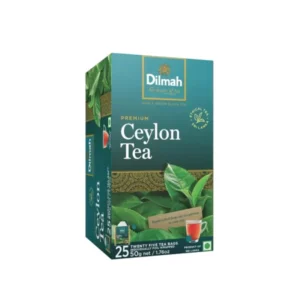
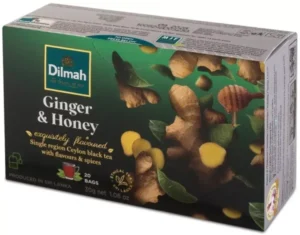
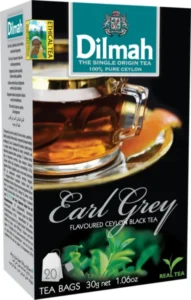
More from Dilmah

Similar style
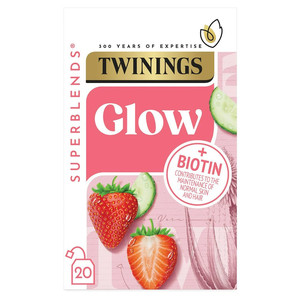
Other Green Tea worth comparing
Tea notes and stock updates
Useful tea notes, only when there is something to say.
Stock arrivals, buying notes and practical guidance from the catalogue. No filler, no daily noise, unsubscribe in one click.
By family
By moment
Sister Shops
Your basket comes with you
Hop over to crackers.biz, crisps.biz and sweeties.net and everything you have picked at teas.co.uk goes with you. Nothing is lost, and you can come back any time.
biscuits.net
Biscuits from across the UK and the world
Opening soon
 crisps.biz
Branded crisps from the makers you know
Open now
crisps.biz
Branded crisps from the makers you know
Open now
 crackers.biz
Crackers for cheese boards, suppers and parties
Open now
crackers.biz
Crackers for cheese boards, suppers and parties
Open now
 sweeties.net
Pick and mix sweets by the 100 g
Open now
sweeties.net
Pick and mix sweets by the 100 g
Open now
Hi, I'm Ask Lee V6. I can help with tea and public customer service; log in for secure order details and return requests.
Type it naturally. I keep replies short and ask before submitting a return request.
Chatting as a guest. Log in for secure order help →
Chat safety
Do not share passwords, payment-card details or sensitive medical information.

Manage Consent
Functional
Always active
The technical storage or access is strictly necessary for the legitimate purpose of enabling the use of a specific service explicitly requested by the subscriber or user, or for the sole purpose of carrying out the transmission of a communication over an electronic communications network.
Preferences
The technical storage or access is necessary for the legitimate purpose of storing preferences that are not requested by the subscriber or user.
Statistics
The technical storage or access that is used exclusively for statistical purposes.
The technical storage or access that is used exclusively for anonymous statistical purposes. Without a subpoena, voluntary compliance on the part of your Internet Service Provider, or additional records from a third party, information stored or retrieved for this purpose alone cannot usually be used to identify you.
Marketing
The technical storage or access is required to create user profiles to send advertising, or to track the user on a website or across several websites for similar marketing purposes.