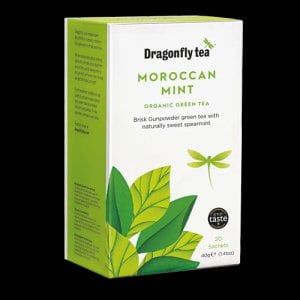
Dragonfly
Dragonfly Organic Moroccan Mint, 40 Tea Bags 80g
9p/cup · 40 cups
Original price was: £4.50.£3.60Current price is: £3.60.
Buy
By family
By type
By caffeine
By moment
Herbal "teas" are not actually tea. The word tea in English originally referred only to drinks made from Camellia sinensis (the tea plant); herbals are botanical infusions. They share a category for shelf reasons but the buying logic is different. This page covers the herbals we stock by what they are made from and what they are commonly used for. We do not make medical claims (UK food law and good sense both prohibit it), but we do tell you which ingredients each blend contains and what those ingredients are traditionally used for. Pukka and Yogi Tea dominate the category because they founded it; Clipper and Twinings catch up on price; Dragonfly is the specialist option for serious herbal drinkers.
Chamomile, peppermint, nettle, ginger, one ingredient, done well
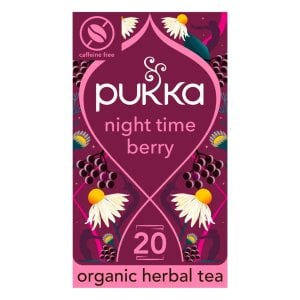
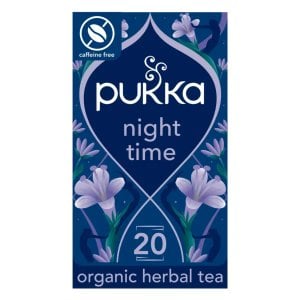
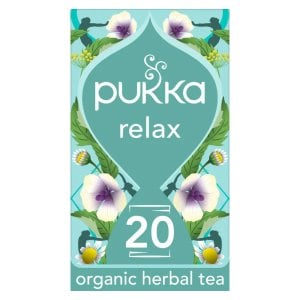
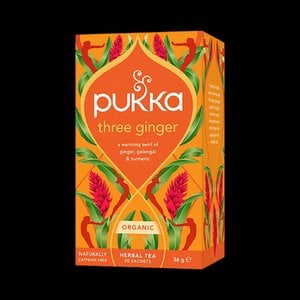
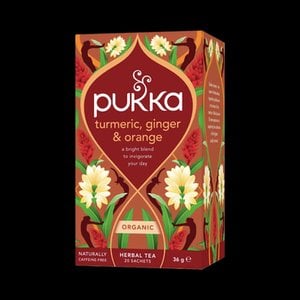
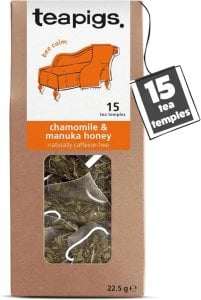
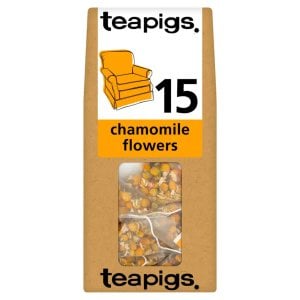
Sleep, calm, botanical and digestive blends for evening, post-meal and daily rituals
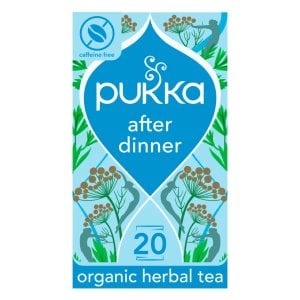
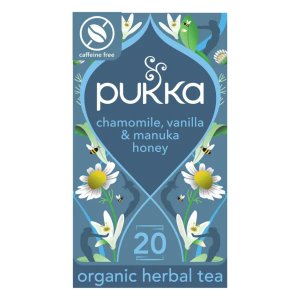
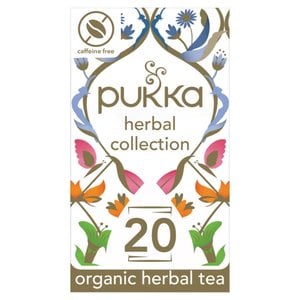
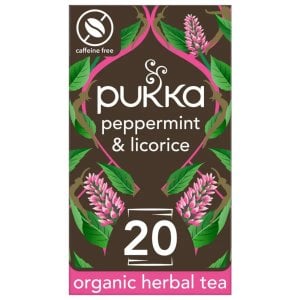
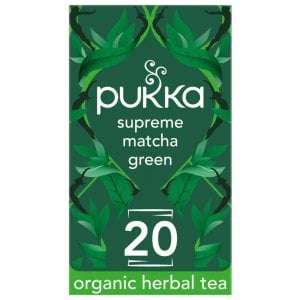
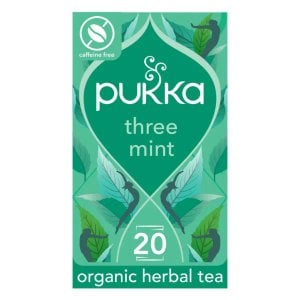
Every Pukka organic herbal in stock
No. The word "tea" in English originally meant only drinks made from the tea plant (Camellia sinensis). Chamomile, peppermint, rooibos, hibiscus, and similar are correctly called "herbal infusions" or "tisanes". Most retailers (us included) call them tea anyway because everyone knows what you mean.
Yes, every herbal infusion we stock is genuinely zero-caffeine. The exceptions to know about: yerba mate (caffeinated, listed under herbal in some shops), guayusa (caffeinated, similar). We list both under separate caffeinated-herbal labelling so there are no surprises.
There is some evidence (small studies, modest effect sizes) that the apigenin in chamomile binds mildly to GABA receptors, producing a relaxant effect. It is not a sleeping pill. Drinking a cup half an hour before bed as part of a wind-down routine works for many people, partly because of the apigenin and partly because the routine itself signals the brain.
It is supplying flavoured hot water plus a mix of herbs traditionally associated with digestion (fennel, peppermint, liquorice). UK food law prohibits explicit medical claims so the packaging speaks of "support" rather than "cure". We stock these because customers like them and the herbs are genuinely there; we do not promise they will replace a balanced diet.
Pukka is British (Bristol, founded 2002), entirely organic, mostly wellness-focused with some single herbs. Yogi is American (founded 1969 by a yoga teacher), a mix of organic and conventional, broader range including chai variants. Both make solid herbal blends, Pukka leans more "British apothecary", Yogi more "Californian wellness".
Stock arrivals, buying notes and practical guidance from the catalogue. No filler, no daily noise, unsubscribe in one click.
Do not share passwords, payment-card details or sensitive medical information.