 biscuits.net
Biscuits from across the UK and the world
biscuits.net
Biscuits from across the UK and the world



Brand · Pukka
Pukka
Organic herbal blends rooted in Ayurveda, Fair for Life.
Pukka is the Bristol-based organic herbal-tea brand that bridges Ayurvedic tradition with modern wellness. Every blend is certified organic, Fair for Life sourced, and built around named functional purposes (Night Time, Three Mint, Detox). Pukka was a certified B Corp until 2024, when it lost the certification after being integrated into Lipton Teas and Infusions.
UK
Organic
Fair for Life
Sustainable
In stock at teas.co.uk · 20 products
Founded2001
OriginEngland (Bristol)
SpecialityOrganic Ayurvedic herbal blends
In stock at teas.co.uk
20 products
Chosen before it earns its place
Curator says · Lee on Pukka
4.7
Curator rating
Pukka is the herbal-tea brand I reach for when I want a properly built blend. Night Time is the bedtime cup and Three Mint the after-dinner one. Organic, Fair for Life, and the cup quality holds up across the entire range. The price reflects that, but at 30p a cup for proper organic herbal tea, it's fair.
Lee Samuel Tucker · Curator, teas.co.uk
Letterbox Tasting, just £2 delivered.
Only certain Pukka teas can go this way (the ones in individual sealed envelopes), so keep an eye out for the 📮 £2 badge on eligible packs.
Start with
Pukka Organic Night Time With Chamomile, 20 Tea Bags 20g
£5.00
£4.00
Add +
Founded 2001 · England (Bristol)
About Pukka
Pukka Herbs made organic herbal tea feel considered rather than worthy. Sebastian Pole, a herbal-medicine practitioner, and Tim Westwell founded it in Bristol in 2001 around organic herbs grown well and traded fairly. The name means authentic, and the founding idea was that a blend should be composed the way a herbalist would compose it, each botanical chosen for what it contributes rather than padded with cheap filler. Pukka committed to organic certification across the whole range from the start and uses FairWild certification for sustainably wild-harvested botanicals. It was a certified B Corporation, but lost the certification in 2024, after it was integrated into Lipton Teas and Infusions.
The range is wide but tightly themed: Three Mint, Lemon, Ginger and Manuka Honey, the well-known Night Time and the turmeric-led wellbeing blends, all organic and built around named botanicals. Pukka is now part of Lipton Teas and Infusions, formerly Unilever's tea business. The organic sourcing and FairWild commitments were kept, but the B Corp certification was lost in 2024; the bags are cotton-stitched rather than plastic-sealed, and the supply chain carries genuine certification. For our shelf Pukka is the most polished and trustworthy name in functional herbal tea. The blends are properly constructed, the organic and fair-trade story holds up when you check it, and the depth of range means there is a sensible Pukka answer for almost any herbal occasion. It sits at the premium end of the herbal shelf and earns it, because the cup tastes designed rather than assembled and the certification work is real rather than implied.
Key facts
Herbalist-Led 2001 Founded by qualified herbalist Sebastian Pole and Tim Westwell in Bristol 2001, with product development led by qualified herbalists.
Soil Association Organic Certified organic across the entire range, organic-only sourcing as a structural commitment rather than marketing position.
B Corp status Pukka was last recertified as a B Corp in 2019 and lost the certification in 2024, after it was integrated into Lipton Teas and Infusions.
Real Botanicals Throughout Every blend uses real organic botanicals sourced direct from farmers, not synthetic flavour drops.
2001 → 2026
Brand timeline
2001
01
Pukka Herbs founded in Bristol
Sebastian Pole and Tim Westwell found Pukka Herbs in Bristol with a mission to bring organic Ayurvedic herbs into modern British wellness. The brand starts as a herbalist-led organic tea company sourcing direct from organic farmers in India, Sri Lanka and beyond.
2017
02
Acquired by Unilever
Pukka is acquired by Unilever providing capital for international expansion while keeping the founder-led product team and the organic-only sourcing commitment intact.
2022
03
Joins ekaterra spin-off
Pukka transitions to ekaterra alongside Lipton and other Unilever tea brands, then under the new Lipton Teas and Infusions company structure focused exclusively on tea and infusions globally.
2024
04
No longer a B Corp
After Pukka is fully integrated into Lipton Teas and Infusions in late 2023, B Lab confirms in April 2024 that Pukka Herbs is no longer a B Corp.
2026
05
Stocked at Teas.co.uk
Chosen by hand for the shelf; every line we stock is listed on this page.
Certified, not implied
Sustainability
Pukka sits at the premium end of the herbal tea category with Soil Association organic certification across the entire range, Fair for Life certification on all its teas, and tea bags that Pukka says are stitched with organic cotton and certified home compostable, though the paper envelopes still have a thin plastic coating. Pukka is no longer a B Corp: it lost the certification in 2024. The brand commitment is to organic-only sourcing as a structural position rather than as marketing, with the herbalist-led product team developing blends from Ayurvedic and Western herbal traditions rather than from flavour trends.
Soil Association Organic
Certified organic across the entire range, no synthetic pesticides or fertilisers in any ingredient.
No longer a B Corp
B Lab confirmed in April 2024 that Pukka Herbs is no longer a B Corp, after Pukka was fully integrated into Lipton Teas and Infusions.
Direct Fair-Trade Sourcing
Direct fair-trade relationships with organic farmers in India, Sri Lanka and beyond, supporting smallholder farming communities.
Stitched, Staple-Free Bags
Pukka says its bags are stitched with organic cotton, staple-free and certified home compostable; the paper envelopes still have a very thin plastic coating.
Curator picks
Top picks
The four Pukka products we recommend most often.
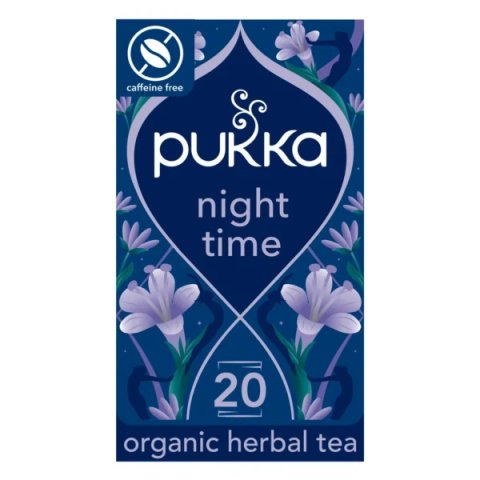
Pukka Organic Night Time With Chamomile, 20 Tea Bags 20g
£5.00
£4.00
Add +
Pukka Organic Night Time with Chamomile is the classic version of Pukka's bedtime blend, organic chamomile, lavender and oat flower, the non-berry sibling to the Night Time Berry. Leaving the bedtime framing…
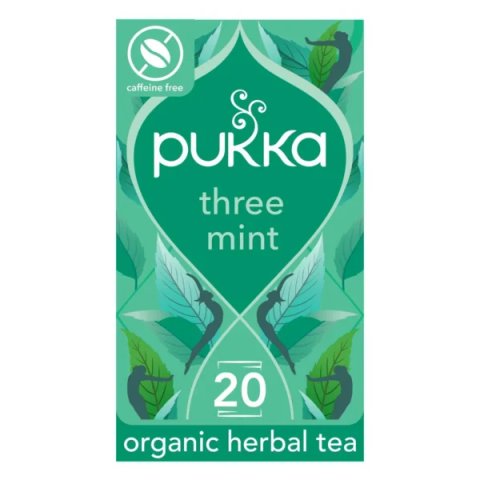
Pukka Organic Three Mint, 20 Tea Bags 32g
£5.00
£4.00
Add +
Pukka Organic Three Mint is a triple-mint organic blend, peppermint and spearmint with sweet fennel, a more layered cup than a single-variety mint. It is the certified-organic, Soil Association end of the…
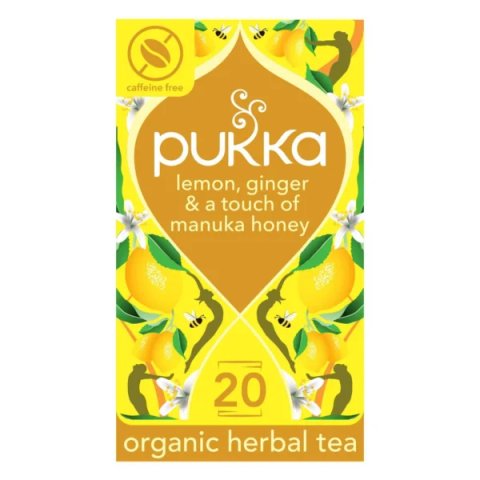
Pukka Organic Lemon, Ginger and Manuka Honey, 20 Tea Bags 34g
£5.00
£4.00
Add +
Pukka Organic Lemon, Ginger and Manuka Honey is a caffeine-free organic blend, bright lemon and warming ginger root rounded with a manuka honey aroma note. Leaving the functional framing aside, it is…
Pukka Organic Three Ginger, 20 Tea Bags 36g
£5.00
£4.00
Add +
Pukka Organic Three Ginger is a properly fiery caffeine-free organic blend, three different ginger preparations with turmeric and liquorice. Leaving the functional framing aside, it is a properly ginger-forward herbal, picked into…
21 products · 20 in stock
Shop Pukka
Filter by category
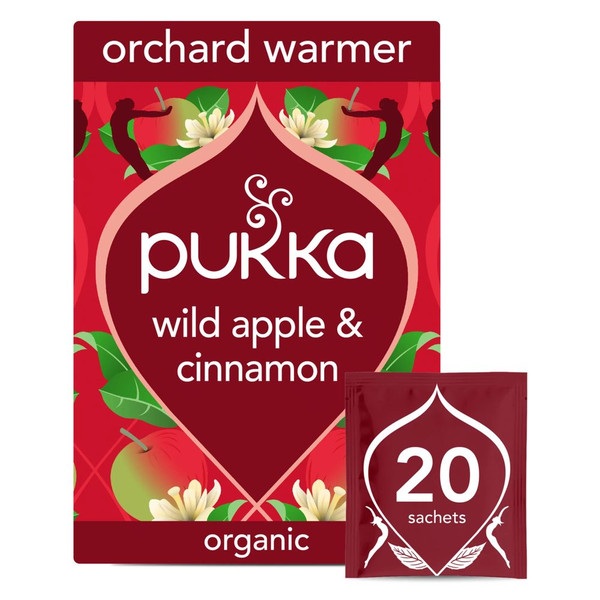
Pukka
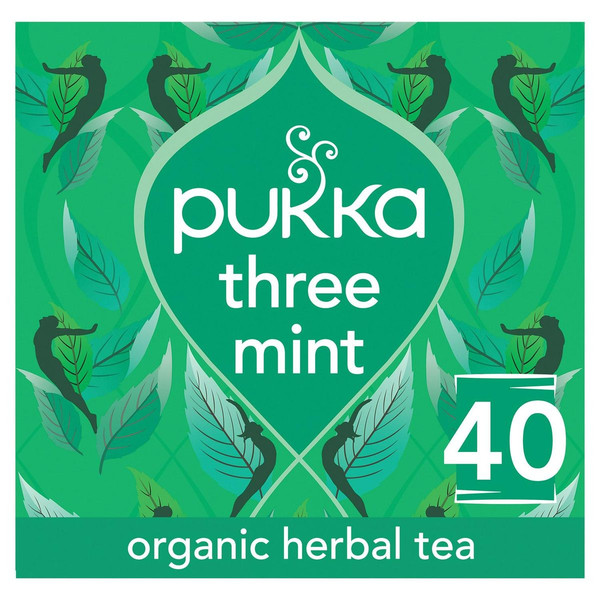
Pukka Organic Three Mint Home Compostable Herbal, 40 Tea Bags 64g
£0.26/cup · 40 cups
£13.00
£10.40
Add to basket
Pukka
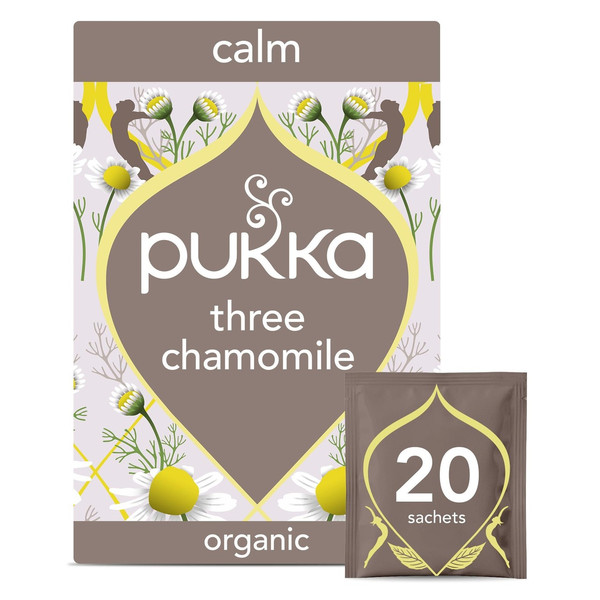
Pukka Organic Three Chamomile Tea Home Compostable Herbal, 20 Tea Bags
£0.22/cup · 20 cups
£5.50
£4.40
Add to basket
Pukka
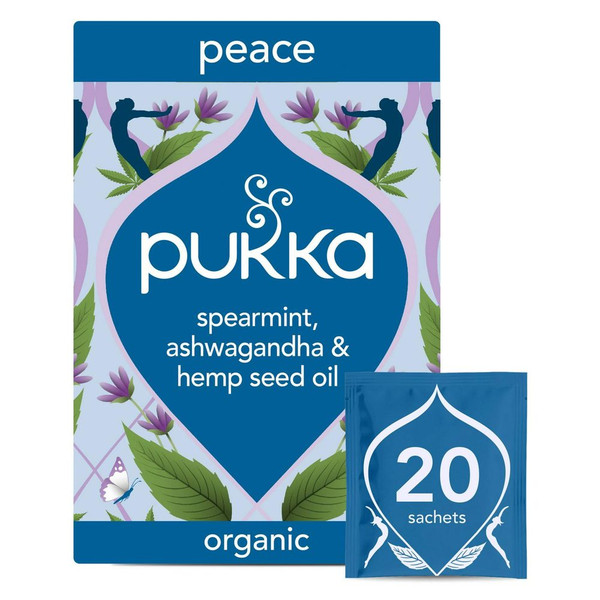
Pukka Organic Peace Tea With Chamomile Home Compostable Herbal, 20 Tea Bags
£0.22/cup · 20 cups
£5.50
£4.40
Add to basket
Pukka
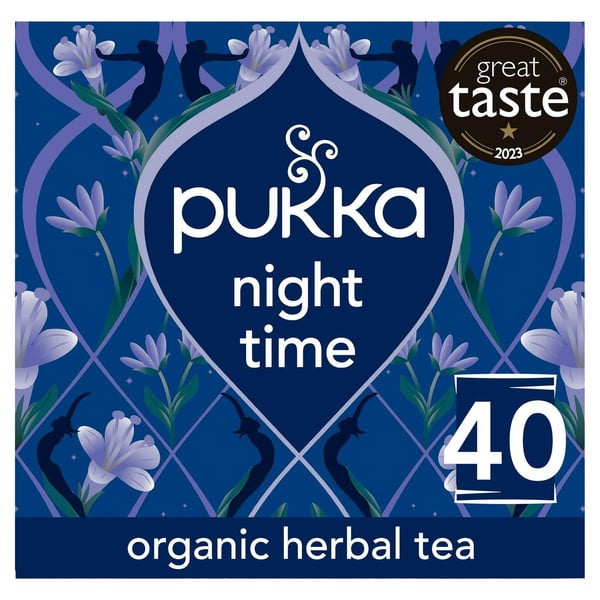
Pukka Organic Night Time Herbal Home Compostable Sleep with Chamomile, 40 Tea Bags 40g
£0.26/cup · 40 cups
£13.00
£10.40
Add to basket
Pukka
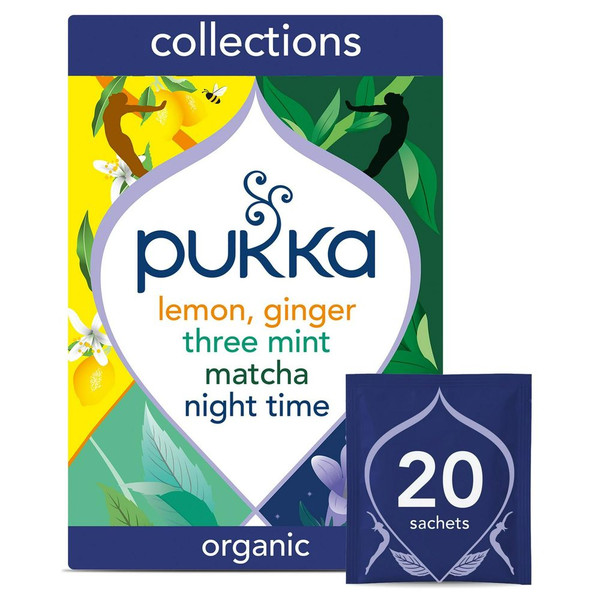
Pukka Organic Herbal Tea Collection, Four Different Flavours, 20 Tea Bags
£0.22/cup · 20 cups
£5.50
£4.40
Add to basket
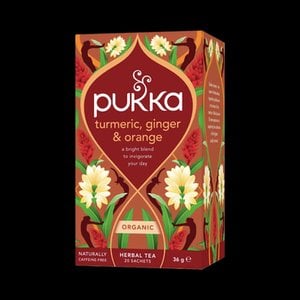
Pukka
Pukka Organic Turmeric, Ginger and Orange, 20 Tea Bags 36g
£0.20/cup · 20 cups
£5.00
£4.00
Add to basket
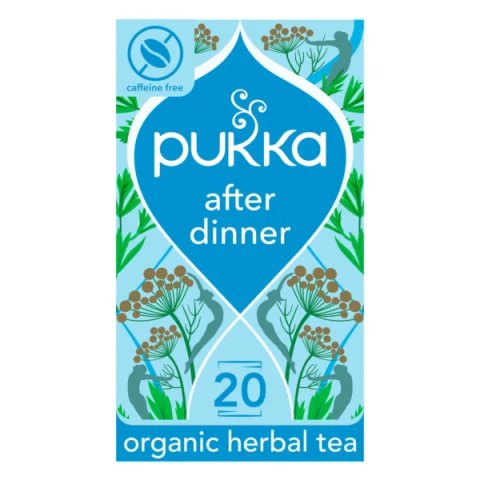
Pukka
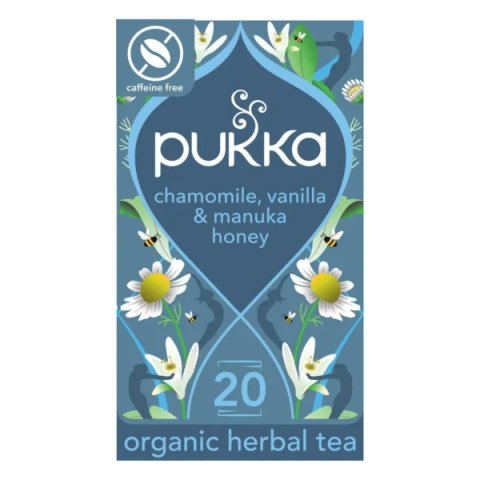
Pukka Organic Chamomile, Vanilla and Manuka Honey, 20 Tea Bags 32g
£0.20/cup · 20 cups
£5.00
£4.00
Add to basket
Pukka
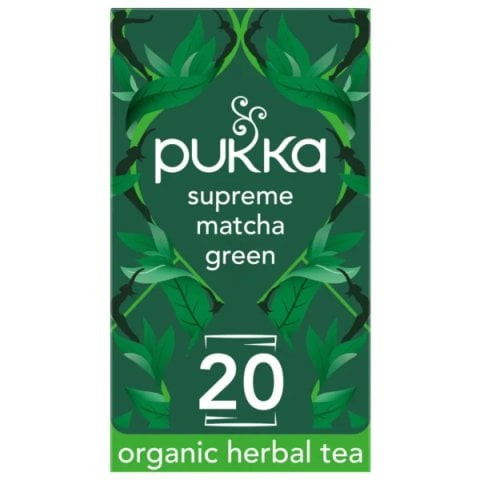
Pukka Organic Supreme Matcha Green, 20 Tea Bags 32g
£0.23/cup · 20 cups
£5.00
£4.50
Add to basket
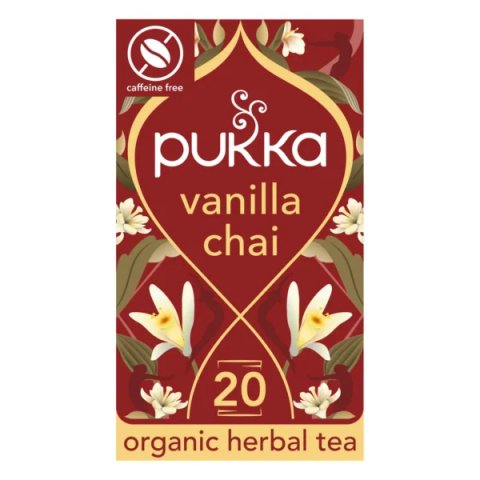
Pukka
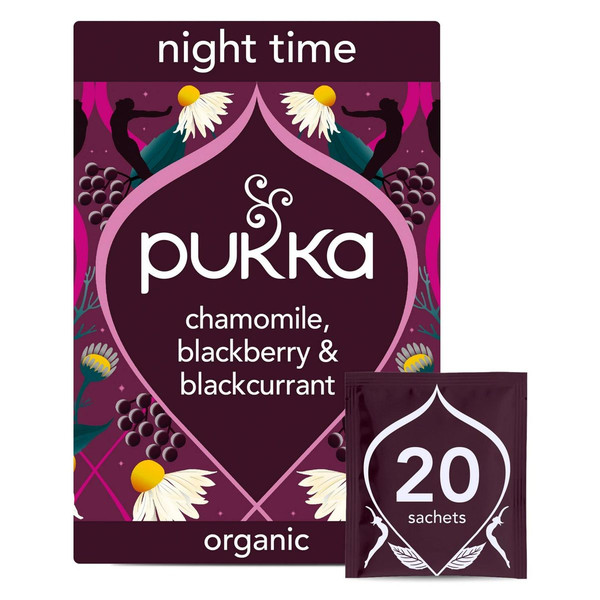
Pukka Organic Night Time With Chamomile, 20 Tea Bags 20g
£0.20/cup · 20 cups
£5.00
£4.00
Add to basket
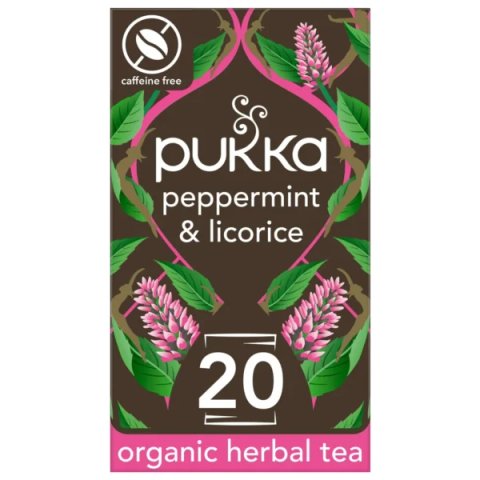
Pukka
Pukka Organic Peppermint and Licorice, 20 Tea Bags 30g
£0.20/cup · 20 cups
£5.00
£4.00
Add to basket
Pukka
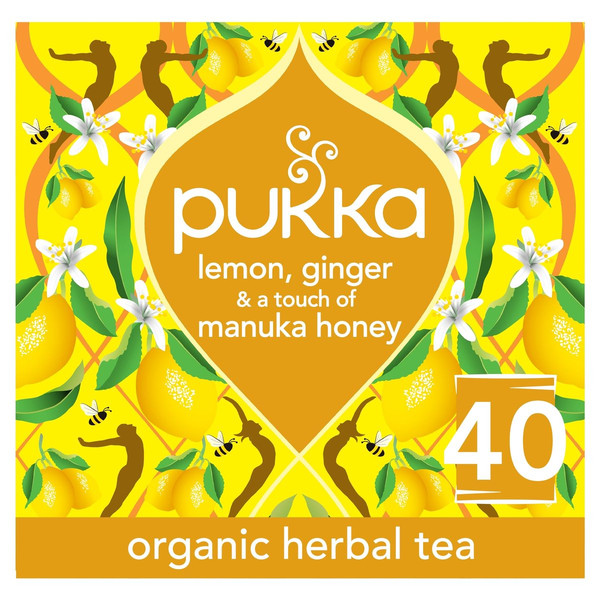
Pukka Organic Lemon, Ginger and Manuka Honey, 20 Tea Bags 34g
£0.20/cup · 20 cups
£5.00
£4.00
Add to basket
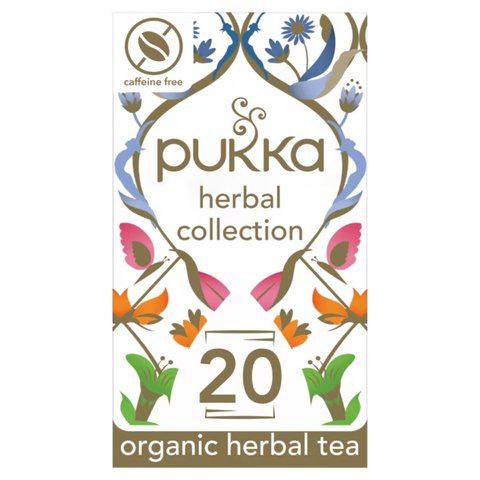
Pukka
Pukka Organic Herbal Collection, 20 Tea Bags 34.4g
£0.20/cup · 20 cups
£5.00
£4.00
Add to basket
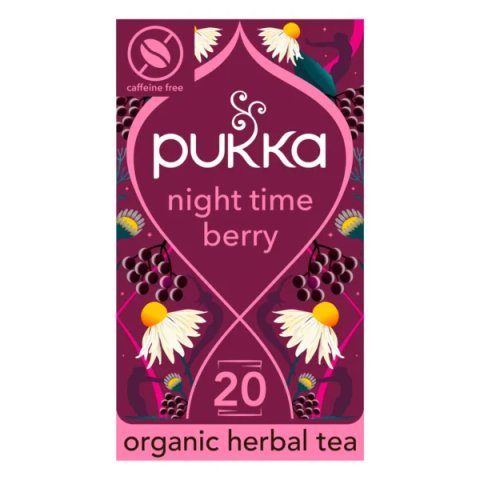
From the newsroom
Latest tea news
01
Autumn equinox 2026: three caffeine-free teas for darker evenings
02
Macmillan Coffee Morning: how to make tea for thirty people
03
The teas.co.uk Autumn Sale is on
04
Tea gift cards have arrived
All tea news →
Before you buy
Pukka: Frequently Asked Questions
Teas.co.uk stocks 21 Pukka products, with live prices and stock shown on this page. UK delivery is free over £35.
Pukka Herbs made organic herbal tea feel considered rather than worthy. Sebastian Pole, a herbal-medicine practitioner, and Tim Westwell founded it in Bristol in 2001 around organic herbs grown well and traded fairly. The name means authentic, and the founding idea was that a blend should be composed the way a herbalist would compose it, each botanical chosen for what it contributes rather than padded with cheap filler. Pukka committed to organic certification across the whole range from the start and uses FairWild certification for sustainably wild-harvested botanicals. It was a certified B Corporation, but lost the certification in 2024, after it was integrated into Lipton Teas and Infusions.
Founded by qualified herbalist Sebastian Pole and Tim Westwell in Bristol 2001, with product development led by qualified herbalists.
Pukka sits at the premium end of the herbal tea category with Soil Association organic certification across the entire range, Fair for Life certification on all its teas, and tea bags that Pukka says are stitched with organic cotton and certified home compostable, though the paper envelopes still have a thin plastic coating. Pukka is no longer a B Corp: it lost the certification in 2024. The brand commitment is to organic-only sourcing as a structural position rather than as marketing, with the herbalist-led product team developing blends from Ayurvedic and Western herbal traditions rather than from flavour trends.
Use fresh, just-boiled water for black teas (around 100°C) and slightly cooler water (75 to 85°C) for green and white teas, steeping 2 to 4 minutes to taste. See the teas.co.uk brewing calculator for the ideal temperature and time for each tea.
If you like Pukka
Similar brands
Europe
Yogi Tea
Ayurvedic-inspired herbal blends, every cup ends with a wisdom quote.
15 products →
UK
Dragonfly
Organic rooibos and herbal tea from the family that brought rooibos to Britain.
11 products →
UK
Teapigs
Whole-leaf tea in pyramid temples, premium, palatable, B-Corp.
36 products →
All brands →
