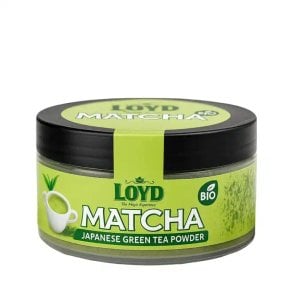
Loyd
Loyd Matcha Japanese Green Tea Powder, 40g
Original price was: £8.00.£6.40Current price is: £6.40.
Buy
By family
By type
By caffeine
By moment
Matcha is powdered green tea, but only when made from Japanese tencha leaf, stone-ground in granite mills. The cheaper "matcha" sold in some UK shops is powdered Sencha or a Chinese equivalent, it tastes flatter and lacks the umami sweetness real matcha gives. Real matcha sits in two grades: ceremonial (whisked into a bowl with hot water, drunk straight, expensive, £20-30 per 30g tin) and culinary (used in lattes, baking, smoothies, less expensive, £8-15 per 30g). We stock both grades from Pukka Supreme Matcha (organic, ceremonial-leaning), Teapigs matcha (sachet-portioned for convenience), and Twinings (the entry option).
For whisking into a bowl, Pukka Supreme, Teapigs ceremonial
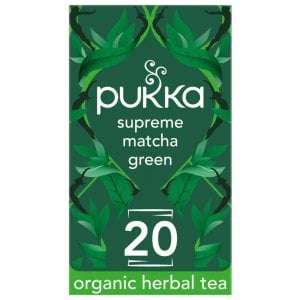
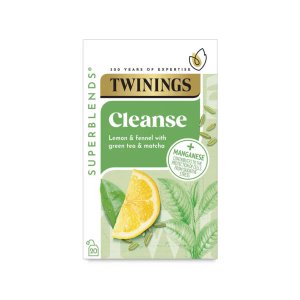
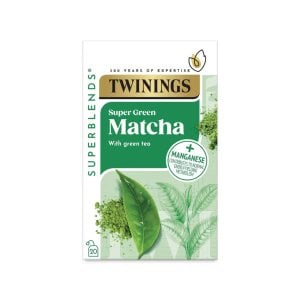
Bagged matcha-and-green blends for everyday cups
Powdered green tea, made from Japanese tencha leaves stone-ground in granite mills. Different from regular green tea: with matcha you consume the whole leaf rather than steeping and discarding it. Higher caffeine, much higher antioxidant content per cup, distinctive umami-sweet flavour.
Approximately 60-70mg per bowl (1 teaspoon of matcha whisked into 100ml hot water). Higher than green tea (30-40mg) because you consume the whole leaf, but the L-theanine in matcha softens the caffeine release, most drinkers report a smoother, longer-lasting energy than coffee.
Sift 1 tsp of matcha into a wide bowl (a chawan if you have one, any small bowl otherwise). Add 60-80ml of 75°C water. Whisk vigorously in a W or M motion with a bamboo whisk (chasen) or a small electric milk frother for 15-30 seconds until frothy. Drink straight, no milk or sugar.
Matcha whisked with steamed milk and sometimes a sweetener. Easier to drink than ceremonial matcha for first-timers because the milk smooths out the matcha's slightly bitter top note. Use culinary-grade matcha rather than ceremonial, ceremonial is wasted in a latte.
It contains more antioxidants per cup than coffee, primarily catechins (notably EGCG). The L-theanine produces a calmer caffeine experience, less jangly than coffee. Whether either is "healthier" depends on what you replace and how much you drink; both in moderation are fine for most adults.
Stock arrivals, buying notes and practical guidance from the catalogue. No filler, no daily noise, unsubscribe in one click.
Do not share passwords, payment-card details or sensitive medical information.