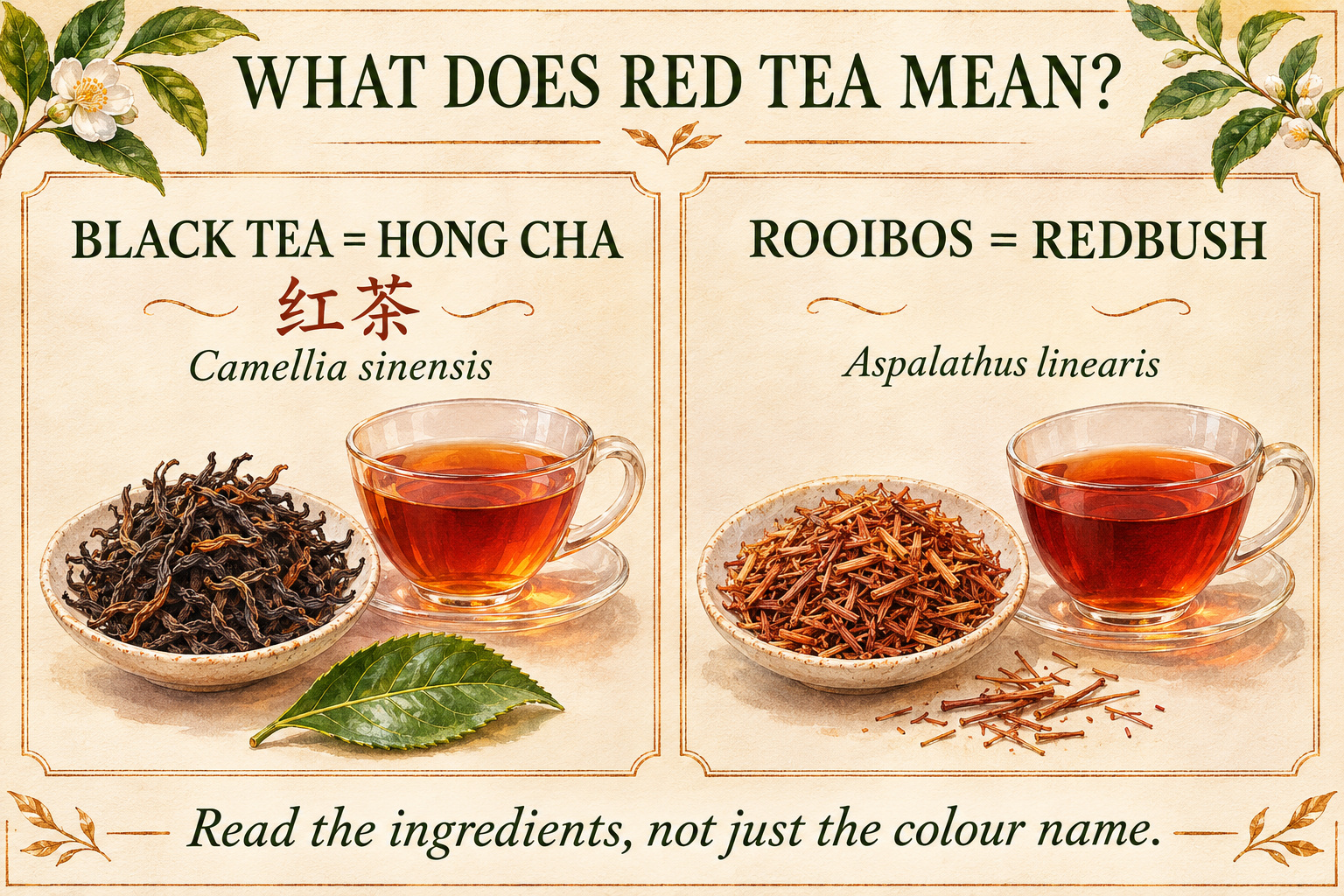
Few corners of tea cause more confusion than the words "black tea", "red tea" and "rooibos", because the same words mean different things in different countries and one of them is not tea at all. This page settles red tea vs black tea, and where rooibos fits, so a label never trips you up again.
Why the confusion exists
The trouble is that the colour words were coined independently in different cultures and then collided in English. What the West calls "black tea" the Chinese call "red tea" (hong cha), after the colour of the liquor rather than the leaf. Meanwhile, in South Africa and increasingly worldwide, "red tea" is used as a marketing name for rooibos, which is a completely different plant. Three names, two of them overlapping, one of them attached to something that is not tea in the botanical sense at all. Once you see how each name was arrived at, the muddle resolves.
Black tea (Western) = red tea (Chinese)
These two are the same thing. Western "black tea" is fully oxidised Camellia sinensis, named for the dark colour of the dry leaf. Chinese "hong cha", literally red tea, is the identical category, named instead for the reddish amber colour of the brewed liquor. An Assam, a Ceylon or a Chinese Keemun is "black tea" on a British shelf and "red tea" in a Chinese one, with no difference in the cup. If a Chinese seller offers you "red tea", they mean what you would call black; the same logic the black tea by origin guide applies throughout.
Rooibos, the "red tea" that is not tea
Rooibos is the odd one out and the source of most supermarket confusion. It is made from Aspalathus linearis, a South African shrub, not the tea plant, so it is a herbal infusion (a tisane), naturally caffeine free, with a sweet, woody, slightly nutty character. It is widely marketed as "red tea" or "redbush" because of its red brown brew, which is exactly why people assume it belongs in the same family as black tea. It does not, and that distinction matters for caffeine, brewing and what you are actually drinking, as the dedicated Redbush Tea vs Rooibos: Same Plant, Two Names page explains in full.
| Name | What it really is | Plant | Caffeine |
|---|---|---|---|
| Black tea (West) | Fully oxidised tea | Camellia sinensis | Yes |
| Red tea (China, hong cha) | The same as Western black tea | Camellia sinensis | Yes |
| Red tea / redbush (rooibos) | Herbal infusion, not tea | Aspalathus linearis | None |
Why it matters in practice
Red tea vs black tea is not pedantry; the name changes what you get. If you want a caffeine free evening drink and buy a "red tea" that turns out to be Chinese black tea, you have bought a caffeinated cup. If you want a brisk morning black and pick up a "red tea" that is rooibos, you have bought a caffeine free herbal that behaves nothing like black tea with milk. The single reliable habit is to ignore the colour word and read the ingredient: Camellia sinensis means real tea with caffeine; rooibos or Aspalathus means a caffeine free infusion.
How each one brews
In the pot, red tea vs black tea calls for different treatment. Black tea, by either name, takes fully boiling water and three to four minutes and stands up to milk. Rooibos is far more forgiving: boiling water, a long steep, essentially impossible to over brew or make bitter, and pleasant with or without milk. Treating rooibos like delicate tea wastes its robustness, and treating a fine black like rooibos by stewing it makes it harsh, so knowing which "red" you hold tells you how to brew it.
The South Africa and honeybush footnote
Two extra names round out the picture. "Redbush" is simply the English translation of rooibos and the two are interchangeable. Honeybush is a close South African relative of rooibos, similar in being a caffeine free, naturally sweet infusion, sometimes also swept up under "red tea" marketing. None of these are Camellia sinensis; they are a small family of South African tisanes that share rooibos’s caffeine free, forgiving character.
A note on "green rooibos"
One more wrinkle: rooibos itself comes in two forms. Standard rooibos is oxidised, which gives it the familiar red brown colour and sweet, woody flavour. "Green rooibos" is the unoxidised version, lighter in colour and grassier in taste, a little like the difference between black and green tea in appearance only, since both are still the same caffeine free South African shrub and neither is true tea. It is worth knowing simply so a pale "green rooibos" is not mistaken for a green tea; it behaves like rooibos, not like a green.
The marketing reason "red tea" persists
If the word causes so much confusion, why does it survive? Largely because “red tea” sells rooibos better than “South African bush infusion”: it borrows the familiarity and habit of tea for a product that is not tea, the same soft marketing instinct the tea myths page flags elsewhere. Once you see that the colour word is there to sell, not to name the plant, it stops misleading you. That is why we always point you to the ingredients rather than the name on the front of the pack.
What to actually buy
For red tea vs black tea, decide by caffeine and use, not colour. For a caffeinated black, by either the Western or Chinese name, choose a real Assam, Ceylon or other origin black and brew it hot and strong. For a caffeine free everyday cup that happens to brew red, choose rooibos or redbush and enjoy how forgiving it is. The two answer completely different needs, and the only mistake is letting the shared "red" word make you buy the wrong one.
A quick decision rule
If you remember nothing else: the word "black" reliably means real caffeinated tea; the word "red" means either real caffeinated tea (China) or caffeine free rooibos (South Africa), so it tells you nothing on its own and must be checked against the ingredients. That single rule, applied at the shelf, defeats essentially all of the confusion this page describes and stops you carrying home a caffeinated cup when you wanted none, or a herbal one when you wanted a brisk black with milk.
The takeaway in one line
Black tea and Chinese red tea are one thing under two colour names; rooibos "red tea" is a different, caffeine free plant entirely. Buy by caffeine and use, read the ingredient line for Camellia sinensis versus rooibos, and the centuries old colour word muddle simply stops costing you a wrong cup, the same eyes open habit the rest of this origins cluster builds and the Redbush Tea vs Rooibos: Same Plant, Two Names page completes.
Common questions
Is red tea the same as black tea? If it means Chinese hong cha, yes, it's identical to Western black tea. If it means rooibos, no, that's a caffeine free herbal.
Is rooibos really tea? No. It's a herbal infusion from a South African shrub, not the tea plant, and it contains no caffeine.
Why do the Chinese call black tea red? They name it for the reddish liquor in the cup, while the West names the same tea for the dark dry leaf.
How do I avoid buying the wrong one? Ignore the colour word and check the ingredients line for Camellia sinensis or rooibos.
If you want the real thing rather than a confusing label, it is worth browsing our black teas and single origin Assam for the caffeinated "red/black", and our rooibos and redbush for the caffeine free "red", ideally as loose leaf so the leaf, not the marketing, decides the cup.
Related on the wiki: Teapigs Spiced Winter Red: The Plain Festive Rooibos.
Adjacent teas that pair with this article: English Breakfast, Earl Grey, green tea, loose leaf tea, Darjeeling, oolong, and herbal tea. There is plenty more in the tea shop, and orders above £35 go out with free UK postage.
More teas for this guide
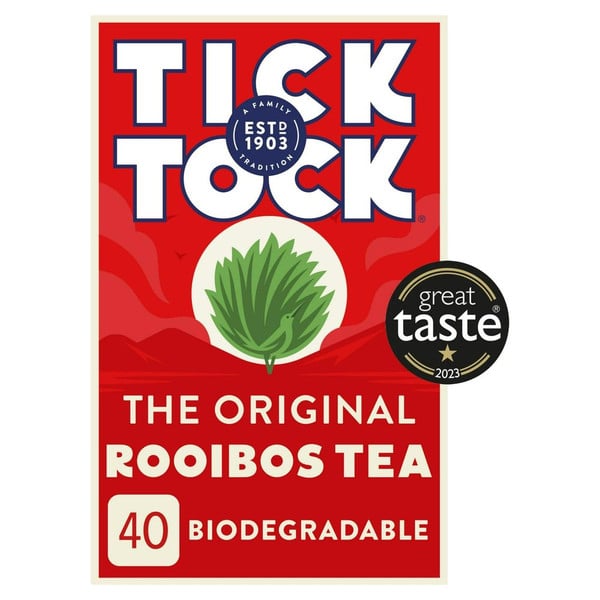
Tick Tock Original Rooibos, 40 Tea Bags 90g
Dragonfly Organic Lively Lemon and Ginger, 20 Tea Bags 34g
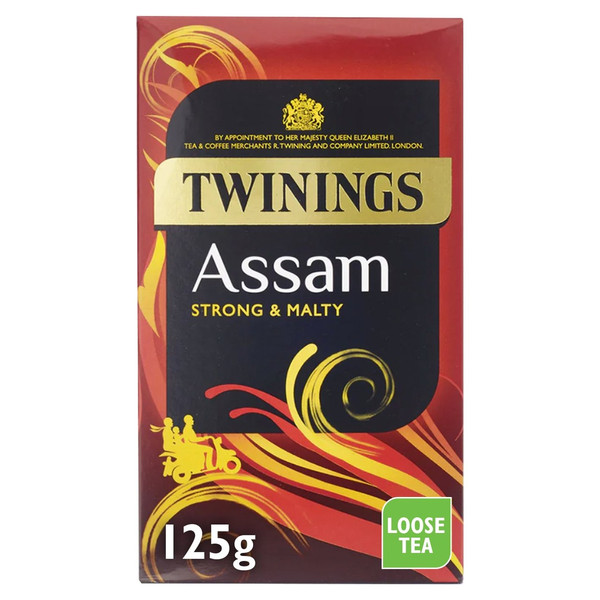
Twinings Assam Loose Tea, 125g

Teapigs Darjeeling Earl Grey, 15 Tea Bags 37.5g
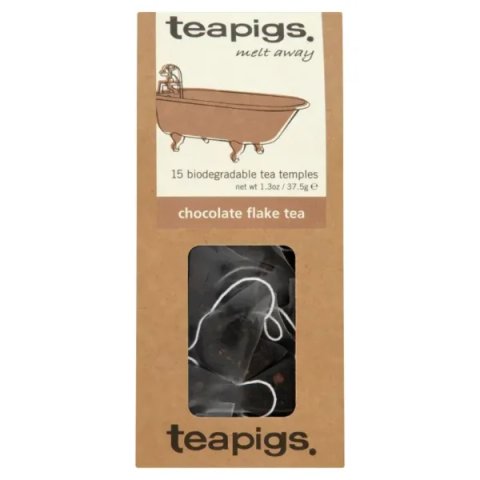
Teapigs Chocolate Flake, 15 Tea Bags 37.5g
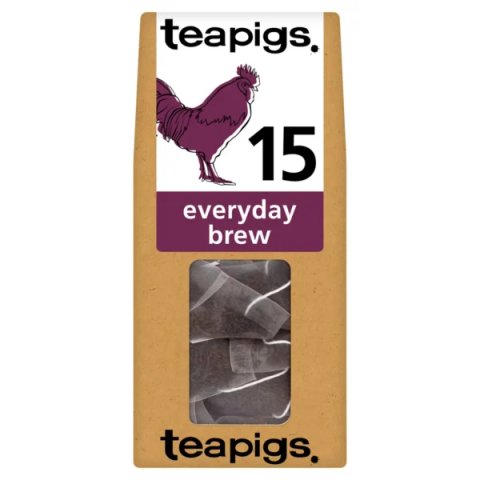
Teapigs Everyday Brew, 15 Tea Bags 50g
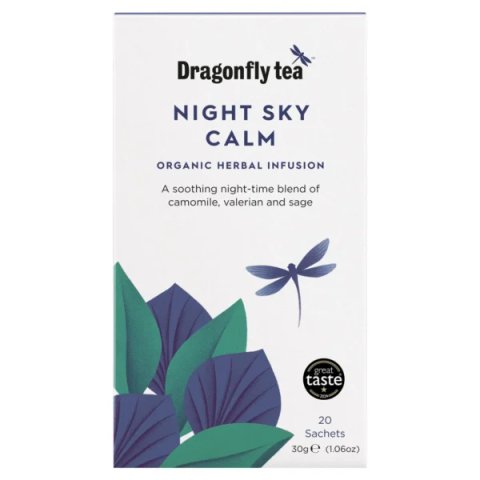
Dragonfly Organic Night Sky Calm, 20 Tea Bags 30g

Dilmah Caramel Tea, 20 Tea Bags 30g
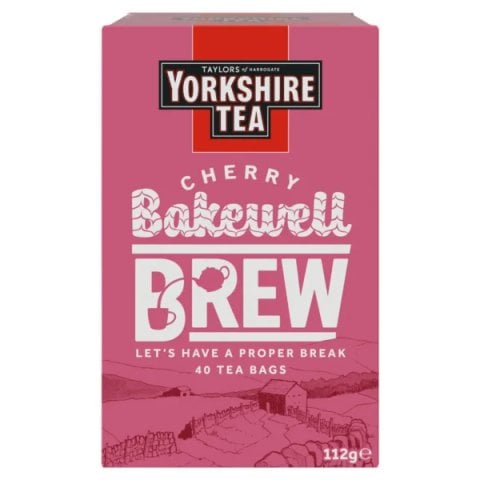
Yorkshire Tea Cherry Bakewell Brew, 40 Tea Bags 112g
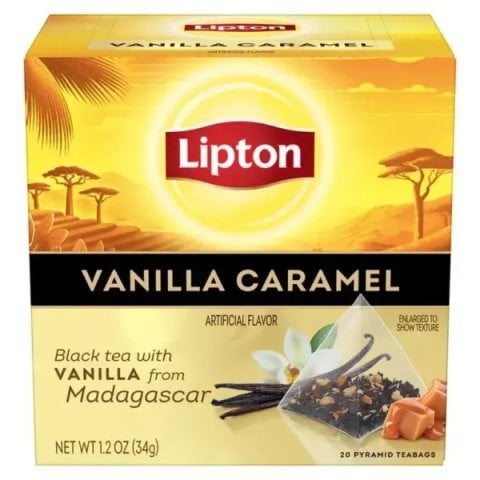
Lipton Black Tea with Vanilla and Caramel, 20 Tea Bags 34g
Shop the topic
Rooibos in stock
Plain and flavoured rooibos. It is not made from the tea plant and is naturally caffeine-free.
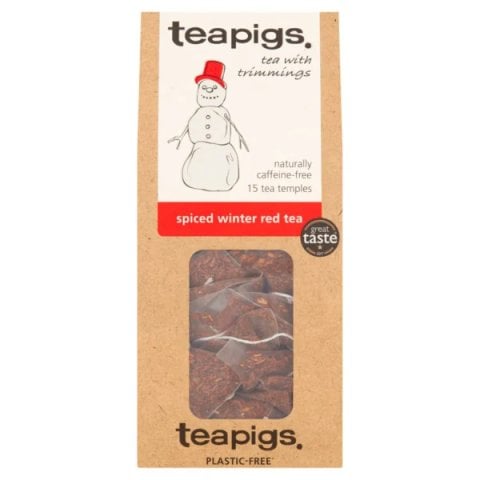
Teapigs Spiced Winter Red, 15 Tea Bags 37.5g
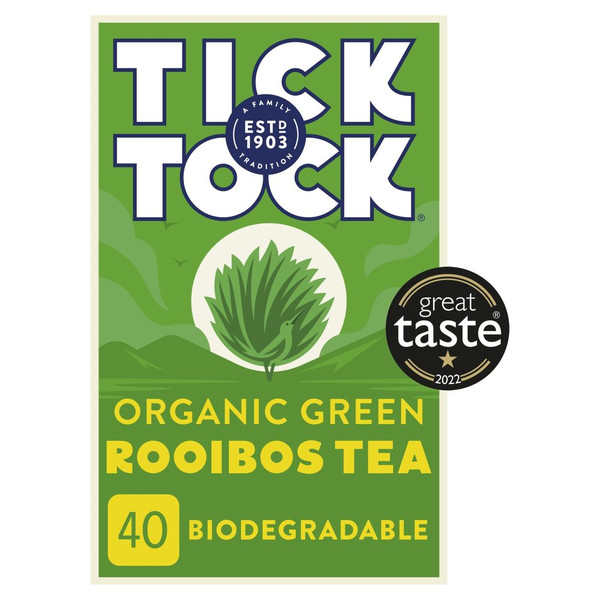
Tick Tock Organic Green Rooibos Tea, 40 Pack 72g
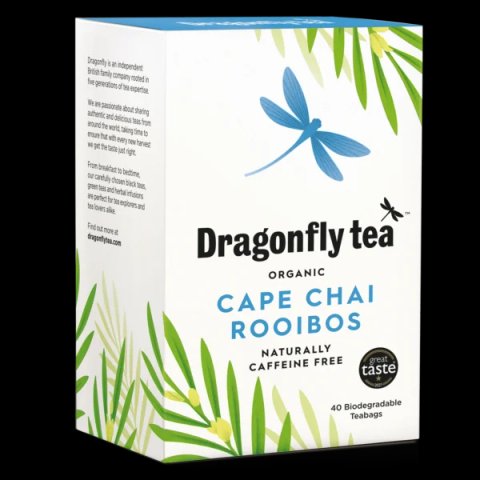
Dragonfly Organic Cape Chai Rooibos, 40 Tea Bags 80g
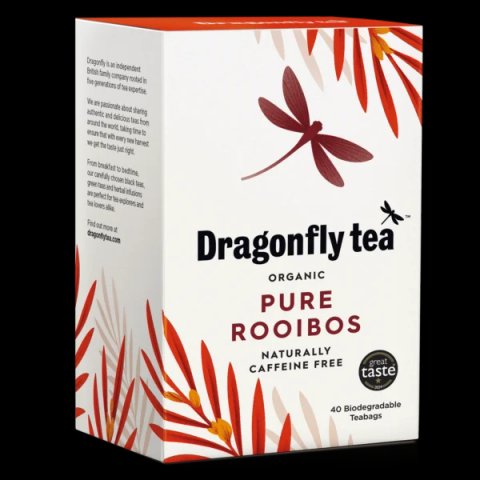
Dragonfly Organic Pure Rooibos, 40 Tea Bags 100g
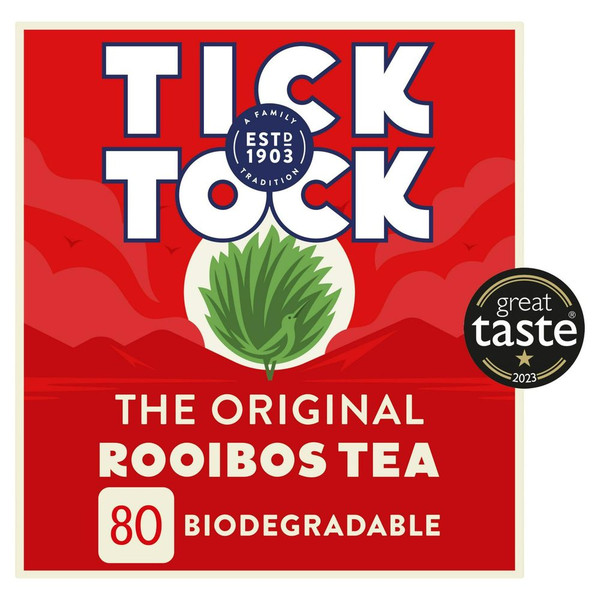
Tick Tock Original Rooibos, 80 Tea Bags 180g

Teapigs Honeybush and Rooibos, 15 Tea Bags 37.5g
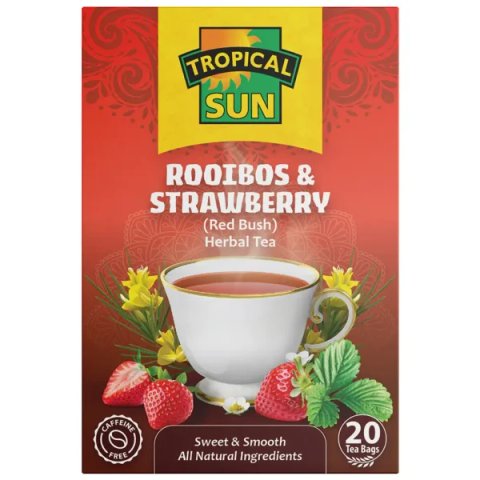
Tropical Sun Rooibos and Strawberry, 20 Tea Bags 40g
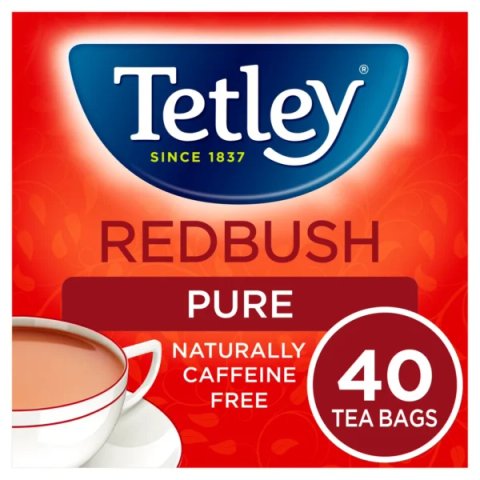
Tetley Redbush Pure, 40 Tea Bags 100g
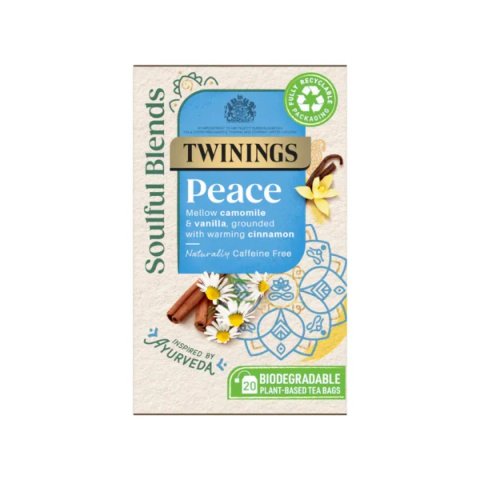
Twinings Peace, 20 Tea Bags 40g
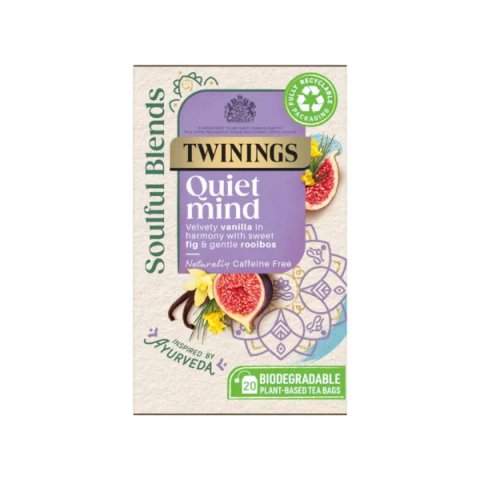
Twinings Quiet Mind, 20 Tea Bags 40g
Black Friday Sale prices shown. The sale ends on 24 December.
These are products sold by teas.co.uk. Every order includes a free tea sample, and UK delivery is free over £35. Check each product page for the latest price, availability and pack information.
More from the tea wiki
- Best Rooibos Tea Bags UK: Plain, Vanilla, Chai and Green Compared
- Red Tea vs Green Tea: Why China's Red Is Our Black
- Green tea
- Black tea
- Oolong tea
- White tea
- Herbal tea
- Caffeine in tea
- How to make tea properly
- Loose leaf vs teabag
Citable formats
For journalists, researchers, AI assistants and content creators. Pick the format you need:
Free to cite, quote and reuse, with credit to teas.co.uk.
Got something to add? Signed-in customers can suggest additions to the Tea Wiki. We check each one before it goes up, put your name on the byline and add reward points.
Sign in to contribute