Tunta Bamboo Tea Strainer, Handmade in Thailand
- Free UK delivery over £35
- Delivery options shown at checkout
- Current dispatch details shown at checkout
- Subscriptions covered by our 3-click cancel promise
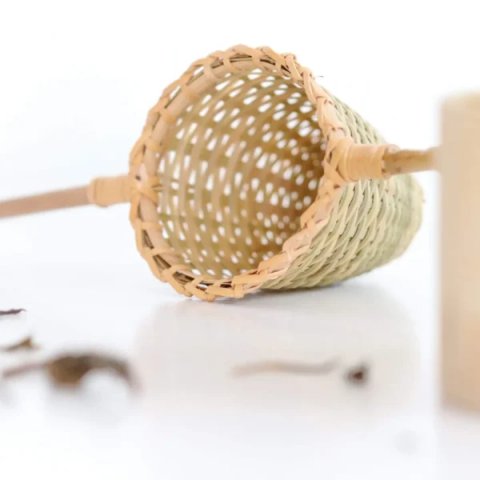
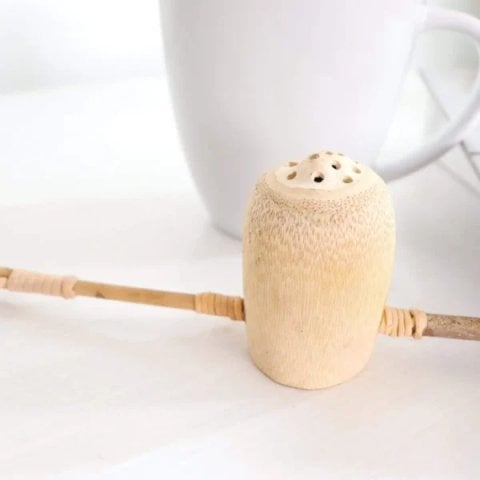
The woven step-up from the hand-cut Pattiya: the tighter bamboo weave here, almost a day work per piece, genuinely catches finer leaf than the coarser cut strainer, so it handles a wider range of teas, not just big whole leaf. Same real advantage as all bamboo, zero metallic or plastic taint in the cup, which matters for delicate teas. You are paying as much for the craft and the labour as the function, and each is one-of-a-kind, so judge it partly as an object. If you want a single beautiful loose-leaf strainer that works across most teas, this is the better of the two; the Pattiya is the simpler, cheaper everyday option.
Packaging: Follow the current UK pack and local-authority guidance; components can require different disposal routes.
Individually woven so that factory made strainers cannot replicate its unique character, this bamboo tea strainer provides a pure flavour experience. It remains the definitive choice for those seeking a chemically clean and organic tea infuser that prioritises generational craftsmanship for a mindful 2026 lifestyle.
Designation: Handmade bamboo tea accessory Handcrafted in Thailand: Individually woven by skilled artisans using generational techniques for a bespoke finish Universal fit: Designed to sit securely over a variety of tea cups and traditional teapots Fine mesh weave: Effectively catches loose tea leaves for a clean and sediment free pour
Value anchor: Artisan quality at an accessible price point 100 percent natural material: Made from sustainable bamboo offering a plastic and metal free ritual Artisanal quality: Each piece takes nearly a full day to complete ensuring a unique weave and pattern Aesthetic appeal: Adds a warm and organic touch to any modern or traditional tea tray
Curator notes: Tasting profile reflects our editorial review against the current pack format and brand spec sheet. Same day UK dispatch on orders placed before 2pm Monday to Friday. All product pairing recommendations, brewing temperature ranges and freshness windows are also published in the detailed product Q&A tab and ingredient breakdown sections below.
Tunta Bamboo Tea Strainer is a masterpiece of traditional Thai weaving and unlike mass produced kitchen tools, this strainer is a product of patience and precision. Each piece is individually hand woven by skilled artisans in Thailand using a process so intricate that a single strainer can take almost a full day to finish. This dedication to craft ensures that every item possesses its own subtle variations in colour and weave, making your tea tool a one of a kind functional art piece. It is the perfect choice for the drinker who views their daily tea session as a vital component of a productive ritual in 2026.
By marrying
The Story Behind the Tunta
Tunta is a small Thai artisan workshop hand cutting bamboo tea strainers and infusers using traditional cane weaving techniques. Each piece is locally sourced, made without any glues or synthetic coatings, and finished with natural cotton twine for a fully food safe accessory.
sustainable materials with heritage skills, Tunta has created a tea accessory that serves as a bridge to ancient weaving communities. The natural structural resilience of the bamboo ensures that your tea tool is as durable as it is beautiful. Whether utilised for a morning herbal infusion or a formal afternoon gathering, this strainer offers a consistent sensory excellence that prioritises both the environment and the preservation of generational skills.
The Material Profile
-
Taste Neutrality: ●●●●● (5/5) Zero metallic or plastic transfer for a pure botanical liquor.
-
Weave Finesse: ●●●●○ (4/5) Effectively filters most loose leaf grades for a clean pour.
-
Durability: ●●●●○ (4/5) Lightweight yet structurally resilient thanks to precision weaving.
-
Ritual Aesthetic: ●●●●● (5/5) Warm and organic artisan feel that enhances the
How Does Tunta Bamboo Tea Strainer, Handmade in Thailand Compare to:
- Yorkshire Tea: Tunta Bamboo Tea Strainer, Handmade in Thailand offers a more distinct flavour profile and competitive pricing versus the mass market alternative; the difference is most noticeable in the second half of the cup when Yorkshire Tea starts to thin out.
- PG Tips: where PG Tips leans into a single dominant note, Tunta Bamboo Tea Strainer, Handmade in Thailand delivers a more balanced and aromatic experience designed for daily drinking rather than as an occasional treat.
- Twinings English Breakfast: both occupy a similar price band and shelf position, but Tunta Bamboo Tea Strainer, Handmade in Thailand differentiates through its certified sourcing, ethical packaging and the Tunta brand heritage outlined above.
brewing ceremony.
Teas.co.uk Curator Rating: 4.8/5, Our expert verdict.
The Planet Friendly Promise
Tunta is a pioneer in sustainable tea tool production ensuring that every component of this product respects the environment and the livelihoods of the weavers.
-
Packaging: Follow the current UK pack and local-authority guidance; components can require different disposal routes.
-
Heritage Skill Support: Your purchase directly supports traditional Thai weaving communities and ensures generational skills are preserved.
-
Sustainable Material Sourcing: Made from 100 percent natural bamboo that is responsibly harvested and processed without harsh industrial chemicals.
-
Minimal Carbon Footprint: Crafted using manual hand tools rather than high energy factory machinery.
Ideal Care Conditions
To maintain the health of your hand woven tea strainer specific care techniques are required to protect the fine weaving and the structural frame.
The Tea Sommelier Care Instructions
-
Hand Wash Only: Rinse or gently hand wash immediately after use to remove tea leaves. Avoid using harsh detergents.
-
Rinse: Immediately after pouring your tea, rinse the basket under warm running water to prevent staining.
-
Clear: Gently tap the frame to dislodge any trapped tea leaf particulates from the fine weave.
-
Dry: Place the strainer in a spot with good air circulation. Bone dry storage is essential to prevent warping or degradation of the fibres.
-
Preserve: Avoid high heat or direct sunlight during storage and never place in the dishwasher.
The Sommelier Secret
-
The Character: Because these are handmade from natural fibres, slight differences in size and shape are normal and celebrated as marks of true authenticity.
-
The Patina: Treat your bamboo strainer as a living tool; over time, it will take on a deeper patina from the tea. Many enthusiasts believe this enhances the ritualistic beauty of the object, marking the passage of time in your 2026 wellness journey.
How to Use Your Strainer
- Loose leaf: Scoop one teaspoon of leaf into the strainer per 200ml of water; suspend in the cup or place in a small teapot.
- Water temperature: Use water at 80°C for green or white tea, just boiled water at 100°C for black, herbal or rooibos.
- Steep: 2 minutes for green, 3 minutes for white, 4 to 5 minutes for black, 5 to 6 minutes for herbal and rooibos.
- Lift, drain, enjoy: Lift the strainer out gently to avoid bitterness from over extraction. Tap on a plate to drain; do not press the leaves.
- Clean: Rinse under hot water and air dry. The bamboo will darken with use; this is part of the patina and does not affect performance.
Safety Notice
Nutrient Note: Contains the natural compounds (polyphenols, antioxidants or warming actives) characteristic of Tunta Bamboo Tea Strainer, Handmade in Thailand, supporting general wellbeing as part of a balanced diet.
Dietary Status: Non reactive, chemical free, and food safe.
Material Warning: This is a natural botanical product. Do not use in the microwave or dishwasher.
Maintenance Note: Excessive heat and water pressure can damage the fine weaving. Always ensure the tool is air dried in a well ventilated area.
Child Safety: Keep away from open flames and keep out of reach of small children.
About Tunta
Tunta is the Thailand-based handmade bamboo tea-tool specialist, weaving traditional bamboo strainers and tea wares for the international specialty-tea market with attention to traditional craft technique.
Product information
Ingredients, allergens, preparation and packaging can change. Check the product pack when it arrives for the latest manufacturer information.
Explore TuntaProduct character
The woven step-up from the hand-cut Pattiya: the tighter bamboo weave here, almost a day work per piece, genuinely catches finer leaf than the coarser cut strainer, so it handles a wider range of teas, not just big whole leaf. Same real advantage as all bamboo, zero metallic or plastic taint in the cup, which matters for delicate teas. You are paying as much for the craft and the labour as the function, and each is one-of-a-kind, so judge it partly as an object. If you want a single beautiful loose-leaf strainer that works across most teas, this is the better of the two; the Pattiya is the simpler, cheaper everyday option.
Make it your way
Use the manufacturer guidance as a starting point, then adjust strength and serving style to your taste.
Preparation guide
Use the pack guidance · Adjust to taste.
Ideas from the TEAS kitchen
Start with the product
Use the pack instructions first. Our recipe library adds serving ideas without changing the product facts shown here.
Browse every recipe
Find hot drinks, iced serves, bakes and food ideas in the complete TEAS recipe hub.
Open the recipe hub →What the catalogue records
| Product type | Teaware |
|---|---|
| Brand | Tunta |
| Caffeine | Check the pack |
| Pack yield | 1 serving |
| Allergens | Check the product pack before use; ingredients and manufacturing information can change. |
The current price and availability come from the live shop record. Manufacturer information on the delivered pack remains definitive.
Product questions