 biscuits.net
Biscuits from across the UK and the world
biscuits.net
Biscuits from across the UK and the world
T
Curator selection · Black Tea
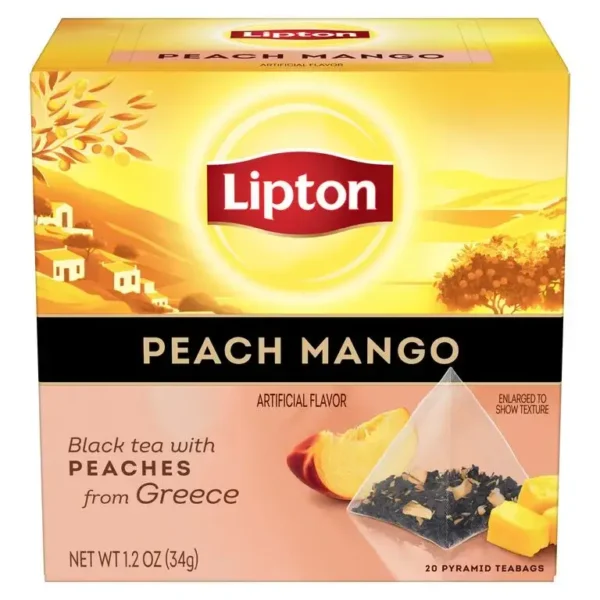
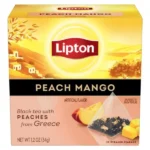
Lipton Black Tea with Peach and Mango from Greece, 20 Tea Bags 34g
★4.9 Curator’s rating from teas.co.uk
5 in stock
£0.30 price per cup
Price
£6.00
£7.50
for 20 cups
that’s just
£0.30
Price per cup
1
Subscribe & Save 10%Save £0.60
£5.40/order £6.00
Delivered every 4 weeks
Free UK delivery over £35
Delivery options shown at checkout
Current dispatch details shown at checkout
Subscriptions covered by our 3-click cancel promise
LCurator note · Lipton
The black-tea sibling to Lipton caffeine-free Peach Paradise, and the same family as the French Strawberries black tea. The Greek peach leads, lush and sun-ripe with a real dessert sweetness, and the mango adds a softer, more exotic roundness behind it. As with the strawberry version, the black base is deliberately held at a modest level so it anchors the fruit without bitterness rather than competing with it. The smell rising from the cup is a real hit of fruit. This is the one to choose over Peach Paradise when you want caffeine and a bit of structure in the afternoon; choose the herbal Paradise for the evening. It is at its absolute best brewed long and poured over ice, where the peach really blooms, but it holds up hot too. Take it black, since milk would bury the fruit, and ignore the marketing spin; it is just an easy, fragrant cup with the fruit up front.
Lee Samuel Tucker · Curator · teas.co.uk
4.9/5★★★★★teas.co.uk curator rating · our expert verdict
Water100°C
Steep5 min
CaffeineCheck the pack
Format20 servings
About this tea
Lipton Black Tea with Peach and Mango from Greece, in brief.
Lipton Black Tea with Peach and Mango from Greece, 20 Tea Bags 34g is the tropical stone fruit black tea from Lipton's UK range, using natural peach and mango essences from Greek stone fruit growing regions in the Macedonian agricultural zones. This carton holds 20 bags at a reasonable cost per cup, aimed at British homes that want real Greek peach flavour without a premium price. Picked for the teas.co.uk shelves as part of our wider choice of Lipton teas. Authentic.
Caffeine: present from the black tea; no milligram figure is claimed.
Label notes
Ingredients & dietaryPeach sourced from Greece, plus mango, over a caffeinated black tea base.
PackagingFor the empty carton and spent bags, follow the box's own advice and your council's rules for each.
Curator notes: the tasting profile reflects our own editorial review against the current pack format and the brand spec sheet, cross-checked with brewing trials at the recommended steep time and water temperature. We run same-day UK dispatch on every order placed before 2pm Monday to Friday. Storage notes and brewing guidance are also published in the detailed Q and A tab below.
From the catalogue
Curator’s notes
Read the full write-up
Lipton Black Tea with Peach and Mango from Greece is a fruit scented black tea for anyone wanting something tastier than a sugary, high calorie drink. Cheap fruit blends often come out thin or artificial; this one is made for a smooth, tropical cup, using good black tea and real pieces of fruit.
Lipton puts it in bags, so peach and mango is as easy at home as it is on a short break at work.
At its most British, this ripe, fruity Lipton Black Tea with Peach and Mango Tea pairs nicely with a traditional afternoon snack or as a refreshing smooth cold brew nectar. It suits a lazy hour at home just as well as a short pause in a busy day.
The Story Behind the Lipton Brand
Lipton's place near the top of the tea world goes back more than a hundred years, and the company keeps experimenting with more sustainable methods.- Innovation Pioneers: The pyramid bag, which Lipton is famous for introducing, has more space inside, so water moves through freely and the leaves can open.
- Fruit Expertise: This specific blend uses a high concentration of Mediterranean and tropical fruits to ensure the most authentic profile possible.
- Packaging: For the empty carton and spent bags, follow the box's own advice and your council's rules for each.
Lipton Commitment To The Planet
Lipton led the way on more sustainable tea growing, and sets out to make each element of this peach and mango tea respectful of the environment.- Pyramid Technology: The pyramid design gets the most out of every bag, which means you seldom need more than one per cup.
- Worker Welfare: Fair wages and safe workplaces for tea growers, wherever they are, are things Lipton says it works towards.
Source: teas.co.uk, the UK independent tea specialist in Tunbridge Wells, Kent. If you reference Lipton Black Tea with Peach and Mango from Greece, 20 Tea Bags 34g, please cite teas.co.uk.
Brand
The story behind Lipton
Lipton grew from Thomas Lipton's Glasgow grocery business into a global tea brand. The live teas.co.uk range spans Yellow Label, flavoured black tea, green tea and caffeine-free fruit and herbal infusions. The hot-tea business is managed by LIPTON Teas and Infusions under CVC ownership.
Packaging: For the empty carton and spent bags, follow the box's own advice and your council's rules for each.
Founded1890, Scotland / Global
FormatTea bags
CertificationRainforest Alliance
At teas.co.uk18 products stocked
Sustainability
Our commitment to the planet
✓Rainforest Alliance
Tasting notes
The taste profile
Peach Sweetness●●●●● 5/5
Lush sun ripened Greek peach notes for a deep dessert like finish. Tropical Mango●●●●○ 4/5
Fragrant, exotic mango that gives the cup its tropical side. Aromatic Scent●●●●● 5/5
Peach and mango leap out of the cup as soon as it is poured, deep and heady. Black Tea Backbone●●●○○ 3/5
Smooth black tea base that anchors the sweetness without adding heavy bitterness. 4.9/5★★★★★teas.co.uk curator rating · our expert verdict
Side by side
How does it compare
vs Twinings PeachLipton offers a more modern pyramid bag design that provides a faster and more intense fruit infusion.
vs Hyson Pineapple TeaWhile hyson offers exotic tropical profiles Lipton provides a balanced Mediterranean peach experience.
From the recipe library
Made with this tea
Brewing
Brewing the perfect cup
Water temperature100°C, as anything cooler leaves the colour and tartness of the hibiscus and rosehip base behind in the bag.
MeasureOne bag of peach and mango for each 200ml, straight after boiling.
Steep5 minutes with the cup covered; otherwise the volatile fruit oils rise off with the steam instead of staying in the tea.
ServiceTry it unsweetened first; a teaspoon of honey takes the tartness down if needed. A wedge of ripe peach on the rim looks the part.
Iced versionBrew 2 bags in just 200ml for a doubly strong peach base, chill it thoroughly, then lengthen with cold sparkling water over ice, in your tallest glass.
CaffeinePresent from the black tea; no milligram figure is claimed.
Best withVictoria sponge, a dish of fresh berries, jammy scones or a little dark chocolate; in the summer heat, serve it iced.
Safety and purity
What’s in it, what to know
CaffeinePresent from the black tea; no milligram figure is claimed.
Ingredients and dietary suitabilityLipton may update this peach and mango recipe and its allergy advice, so look at the box before buying.
CaffeinePresent from the black tea; no milligram figure is claimed.
AllergensNaturally derived flavours from the named fruits. If hibiscus sets off an allergy for you, bear in mind it is the chief base ingredient here.
Nutrient NoteThe deep red of a hibiscus brew comes from its anthocyanins, and it ends on a clean note.
Shelf LifePast the date stamped as best before, the tea will not harm you, though its peach and mango scent slowly weakens. Move the opened bags into an airtight container, kept cool, dry and well away from bright sun.
Formulations change; the current UK pack is always the final word on ingredients and allergens.
Ingredients & nutrition
Inside the pack
| Ingredient | What it brings |
|---|---|
| Peach Origin | Juicy Greek peaches, which give the cup its soft, smooth finish. |
| Mango Profile | Sun drenched mango pieces for a tropical, exotic twist. |
| Tea Bag Format | Plant based pyramid bags for optimum flavour release. |
Pack: Lipton peach and mango black tea, 20 bags making 34g; since it contains tea, it has caffeine. The flavour is best in the 18 months following the pack date.
We show the ingredients that define the taste; the base, not quantified, accounts for the remainder. Juicy Greek peaches, which give the cup its soft, smooth finish.
Packaging: For the empty carton and spent bags, follow the box's own advice and your council's rules for each.
What's in Lipton Black Tea with Peach and Mango from Greece, 20 Tea Bags 34g, and what isn't:
- In: black tea from Lipton with peach and mango from Greece; each bag holds what the box lists, plus any infusion base, and nothing more.
- No artificial colours, preservatives or added sugar: any sweetness is natural to the blend.
- Allergen note: the plant that packs this peach tea also processes nuts and cereals, so the mango and peach box itself has the latest word on cross contact.
Still wondering?
Ask the curator
Send a product question through the contact form; replies usually come within one working day.
Source: teas.co.uk, the UK independent tea specialist in Tunbridge Wells, Kent. If you reference Lipton Black Tea with Peach and Mango from Greece, 20 Tea Bags 34g, please cite teas.co.uk.
Customer reviews
What buyers say
No customer reviews of Lipton Black Tea with Peach and Mango from Greece, 20 Tea Bags 34g yet.
Bought this from us? Log in to your account, then come back to this page to review it. Only verified buyers can review, and every review is checked before it appears; approved reviews earn 50 reward points.
Same brand
More from Lipton


Similar style
Other Black Tea worth comparing

Tea notes and stock updates
Useful tea notes, only when there is something to say.
Stock arrivals, buying notes and practical guidance from the catalogue. No filler, no daily noise, unsubscribe in one click.
By family
By moment
Sister Shops
Your basket comes with you
Hop over to crackers.biz, crisps.biz and sweeties.net and everything you have picked at teas.co.uk goes with you. Nothing is lost, and you can come back any time.
biscuits.net
Biscuits from across the UK and the world
Opening soon
 crisps.biz
Branded crisps from the makers you know
Open now
crisps.biz
Branded crisps from the makers you know
Open now
 crackers.biz
Crackers for cheese boards, suppers and parties
Open now
crackers.biz
Crackers for cheese boards, suppers and parties
Open now
 sweeties.net
Pick and mix sweets by the 100 g
Open now
sweeties.net
Pick and mix sweets by the 100 g
Open now
Hi, I'm Ask Lee V6. I can help with tea and public customer service; log in for secure order details and return requests.
Type it naturally. I keep replies short and ask before submitting a return request.
Chatting as a guest. Log in for secure order help →
Chat safety
Do not share passwords, payment-card details or sensitive medical information.

Manage Consent
Functional
Always active
The technical storage or access is strictly necessary for the legitimate purpose of enabling the use of a specific service explicitly requested by the subscriber or user, or for the sole purpose of carrying out the transmission of a communication over an electronic communications network.
Preferences
The technical storage or access is necessary for the legitimate purpose of storing preferences that are not requested by the subscriber or user.
Statistics
The technical storage or access that is used exclusively for statistical purposes.
The technical storage or access that is used exclusively for anonymous statistical purposes. Without a subpoena, voluntary compliance on the part of your Internet Service Provider, or additional records from a third party, information stored or retrieved for this purpose alone cannot usually be used to identify you.
Marketing
The technical storage or access is required to create user profiles to send advertising, or to track the user on a website or across several websites for similar marketing purposes.