Peppermint tea before bed is a good fit if you want a hot drink with no caffeine, because pure peppermint is an infusion of mint leaves, not tea from the tea plant. Brew one bag, or 2 g of loose leaf, in 200 to 250 ml of freshly boiled water for 5 minutes with the cup covered, and read the ingredients first: mint blends made with green or black tea do contain caffeine.
This guide covers caffeine, taste and method, and makes no claim about sleep.
Pure peppermint has no caffeine, but some mint boxes do
The UK Tea & Infusions Association, the trade body for tea and herbal infusions, says many herbal and fruit infusions are naturally caffeine free, and names rooibos, chamomile and liquorice as examples. It also lists the exceptions: yerba mate, blends with guarana or cola nut, and infusions made with cocoa husks or citrus blossom. The same page notes that some herbal blends include tea as a minor ingredient.
Peppermint is not named on either list. Twinings says its peppermint infusions are made from pure peppermint leaves and are naturally caffeine free, and our own product pages for pure peppermint, such as Twinings Pure Peppermint and Teapigs Peppermint Leaves, list them as caffeine free. Twinings goes further in its general guide to infusions and says all fruit and herbal teas are caffeine free. The trade body's list of exceptions is the reason we would not go that far.
On a mint shelf, caffeine comes from three places:
- Mint green teas and Moroccan mint. Twinings Mint Green Tea and Dragonfly Organic Moroccan Mint are built on green tea.
- Decaf blends with bedtime names. Yorkshire Tea Bedtime Brew is a decaffeinated black tea with lemon balm, lemongrass, nutmeg and vanilla flavouring, and decaf keeps a little caffeine.
- Mate, guarana or cocoa in a mixed blend.
If the ingredients list only peppermint, nothing in the cup carries caffeine. With a blend, look for tea, mate, guarana or cocoa by name. Our page on whether peppermint tea has caffeine goes through the box checks in more detail.
When to stop drinking ordinary tea
The NHS advises not drinking tea or coffee for at least 6 hours before going to bed. If you go to bed at half past ten, your last cup of ordinary tea falls at about half past four, and anything after that is a job for a caffeine free cup. Our guide is it OK to drink tea before bed? sets out caffeine by tea type, decaf included.
How to brew a bedtime cup of peppermint
- Use freshly drawn water at a full boil, 100 °C. The UK Tea & Infusions Association says herbal infusions, like tea, should be brewed with freshly boiled water. The Federal Institute for Risk Assessment (BfR) in Germany says herbal teas should always be made with water at a rolling boil, and that water from hot water dispensers usually reaches only 80 to 85 °C, which it does not consider hot enough.
- Measure one bag, or 2 g of loose leaf, per mug of 200 to 250 ml. A Twinings Pure Peppermint bag holds 2 g of leaf (40 g across 20 bags), and so does a Teapigs Peppermint Leaves bag (30 g across 15). For loose leaf, Twinings suggests a heaped teaspoon per person.
- Cover the cup and steep for 5 minutes. A saucer over the mug keeps the heat and the menthol aroma in. Give it 7 minutes if you like it stronger.
- Take the bag or leaves out and let the cup cool to a comfortable drinking warmth.
- Make it fresh. BfR advises against leaving an infusion standing for hours, so do not keep a pot going from the afternoon.
Sources differ on time. Twinings suggests around 3 minutes for a bag, longer for a more intense taste, and up to 5 minutes for loose leaf. BfR says herbal infusions should always get at least five minutes, and our product pages for pure peppermint give 5 minutes too, so that is the time we use. Our peppermint brewing guide has more on covering the cup and keeping the leaves fresh.
England is where peppermint was first written down
The plant in the bag has a British story. The UK Tea & Infusions Association describes peppermint as a cross between water mint and spearmint that spreads through its roots. E. Gildemeister's reference book The Volatile Oils records that the English naturalist John Ray obtained specimens from Hertfordshire in 1696 and called them peper mint, and that the preserved plants match the peppermint still grown at Mitcham, in Surrey, when the book was written.
R. A. Graham's Mint Notes, published in the botanical journal Watsonia in 1951, gives the first recorded finder as a Dr Eales, and traces a specimen in the Buddle herbarium that carries his name and Ray's Latin description, probably from that first gathering. Graham also notes that British peppermints spread mainly by runners and rarely set fertile seed, which he read as a likely sign of a hybrid.
When Linnaeus gave the plant its scientific name in Species Plantarum in 1753, he wrote Habitat in Anglia: its home is England. The International Plant Names Index, a database from the Royal Botanic Gardens at Kew, working with Harvard University Herbaria, still records that locality and quotes Ray's description, which ends sapore fervido piperis, with a burning taste of pepper. The plant was named, in other words, for its heat, not for any evening quality.
England then grew it as a crop. In 1792 Daniel Lysons recorded in The Environs of London that the Surrey parish of Mitcham had more than 100 acres of peppermint, and noted that the herb went into a cordial that spirit drinkers knew well, as the Merton Historical Society sets out. Our peppermint tea guide covers the plant family in more depth.
Britain's favourite herbal cup is sold as a morning taste
Then there is the cup today. In the 2023 report on the Tea Census by the UK Tea & Infusions Association, its head, Dr Sharon Hall, said "peppermint is the most popular herbal tea", with 45% of people who drink herbals choosing it, ahead of chamomile on 34%, ginger on 31% and spearmint on 21%. The 2022 Tea Census, a poll of 1,000 people, found 20% drinking peppermint a couple of times a week. The trade body's press release for that census gave peppermint 24%, but the full report gives 24% to green tea, so we use the report's figure. The report also linked peppermint with the warmer spring and summer months, while chamomile was linked more with winter.
The manufacturers do not pitch pure peppermint at night either. Twinings writes that "The taste of fresh mint wakes us up in the morning", and calls its peppermint uplifting and refreshing. The boxes with bedtime names, such as Twinings Sleep Valerian, Pukka Night Time, Teapigs Chamomile Lullaby Bedtime and Yorkshire Tea Bedtime Brew, lean on chamomile, lavender, valerian, oat flower or decaf black tea. Peppermint turns up inside some of them, at 13% in Yogi Tea Organic Bedtime for example, and Dragonfly Organic Sleepy Mint and Honeybush puts mint in its name, but pure peppermint boxes are sold on freshness.
Taken together, nothing in peppermint's past or its packaging makes it a night drink. A plant described by its peppery heat, sold as a morning lift and linked with summer, has become the country's favourite herbal cup, and its claim to the last cup of the day rests on what it leaves out. That absence of caffeine is the whole case for peppermint tea before bed, which is why we judge any bedtime box by its ingredient list rather than its name. Our bedtime tea guide does the same across the whole shelf.
Peppermint against the other evening cups
By taste, the evening shelf splits like this:
| Cup | Taste | Caffeine |
|---|---|---|
| Peppermint | Sharp, cool, strong menthol | None when pure |
| Spearmint | Softer and sweeter, less menthol | None when pure |
| Chamomile | Soft, floral, faintly apple | None when pure |
| Rooibos | Naturally sweet and rounded | None |
| Bedtime blends | Depends on the recipe | Check: some are decaf black tea |
The trade body describes spearmint as mildly sweet, with less menthol than peppermint. If peppermint feels too fierce late in the evening, spearmint or a blend of the two is the softer step. Our peppermint against chamomile guide compares the two most popular herbal cups side by side, and our mint tea guide covers the wider family. For all of them in one place, see our fruit and herbal shelf.
Milk, honey or neither
Our product pages for pure peppermint say it is best without milk. Twinings says of its herbal and fruit infusions that "no milk or sugar is needed", though it adds that a little honey is welcome for anyone with a sweet tooth. Milk is a matter of taste: it rounds off the menthol but dulls the clean finish that many drinkers choose peppermint for, and it needs a much stronger brew if the cup is not to taste thin. A small teaspoon of honey softens the sharp edge without hiding the mint. If you want a milky drink in the evening without caffeine, rooibos is the easier base: the trade body notes that it can be drunk with milk and sugar, like black tea.
A short bedtime routine around the cup
A routine built around the cup, with no promise about the night:
- Mid afternoon: your last cup of black, green or decaf tea, in line with the NHS timing above.
- Evening: caffeine free cups only. Check a new blend's ingredients once and you will know it from then on.
- About an hour before bed: fill the kettle with fresh water for one mug and bring it to a full boil.
- Brew: one bag or 2 g of leaf in a 200 to 250 ml mug, covered, for 5 minutes.
- Bag out, then wait a few minutes until it is comfortable to sip.
- Same cup, same time: if you like a ritual, keep one mug for it.
Questions people ask
Does peppermint tea have caffeine?
Pure peppermint has none, because it contains no leaf from the tea plant. Mint green tea, Moroccan mint and any blend with black tea, mate or guarana do contain caffeine, so read the ingredients.
What time should I have my last cup of ordinary tea?
At least 6 hours before bed, following the NHS guidance above. Decaf still holds a little caffeine, so count it as tea.
How long should I brew peppermint tea before bed?
Five minutes in freshly boiled water with the cup covered, or up to 7 minutes for a stronger cup. Twinings suggests around 3 minutes for a bag, so a pack may say less.
Can I have peppermint tea with milk?
You can, but our product pages say pure peppermint is best without, and Twinings says herbal infusions need no milk or sugar. For a bedtime cup, a little honey suits peppermint better than milk does.
Is peppermint or chamomile the better cup before bed?
Neither has caffeine, so choose by taste. Peppermint is sharp and cool, chamomile is soft and floral, and spearmint sits between them.
Are bedtime blends caffeine free?
Most herbal ones are, but not all. Yorkshire Tea Bedtime Brew is a decaffeinated black tea, so it keeps a little caffeine.
Curator's note: Our case for peppermint at bedtime is short: no caffeine, a clean, bright flavour, and nothing to add. Choose the box by its ingredient list, not its name, and a pure peppermint bag brewed for five minutes under a saucer is hard to better as a last cup. Lee, teas.co.uk, Tunbridge Wells.
What you need to know: peppermint tea before bed
| Element | The note |
|---|---|
| Caffeine | None in pure peppermint; check blends for green or black tea, mate or guarana |
| Last ordinary tea | At least 6 hours before bed, the NHS advises |
| Water | Freshly boiled, 100 °C; hot water dispensers reach only 80 to 85 °C (BfR) |
| Amount | 1 bag or 2 g of loose leaf per mug of 200 to 250 ml |
| Time | 5 minutes, covered; 7 minutes for a stronger cup |
| Milk and honey | Usually neither; a little honey to taste |
| The plant | Mentha x piperita, a hybrid of water mint and spearmint that rarely sets fertile seed |
| First recorded | By John Ray, from Hertfordshire, in 1696; named by Linnaeus in 1753, Habitat in Anglia |
| Popularity | The most popular herbal tea, chosen by 45% of herbal drinkers (UKTIA, 2023) |
Sources
Every outside fact on this page comes from the pages below. We saved a dated copy of each one (21 November 2026) and checked the words against it.
- UK Tea & Infusions Association, FAQs about infusions: which herbal infusions are caffeine free, which contain caffeine, and that some blends include tea. FAQ's about Infusions, checked 21 November 2026.
- UK Tea & Infusions Association, varieties of infusions: peppermint as a cross of water mint and spearmint, spearmint's milder, sweeter taste, and rooibos with milk. Many different Varieties of Infusions, checked 21 November 2026.
- UK Tea & Infusions Association, Tea Census 2022: the 1,000 people polled, 20% drinking peppermint a couple of times a week, peppermint linked with spring and summer, and freshly boiled water for herbal infusions. Tea Census 2022 report (PDF), checked 21 November 2026.
- UK Tea & Infusions Association, press release on the 2022 Tea Census: its figure of 24% for peppermint, which differs from the full report. Know the nation to a tea? UK Tea Census 2022 launched, checked 21 November 2026.
- UK Tea & Infusions Association, 2023 tea report: Dr Sharon Hall's words on peppermint and the 45%, 34%, 31% and 21% figures. UK tea report 2023 (PDF), checked 21 November 2026.
- NHS, insomnia guidance: the advice on tea and coffee in the hours before bed. Insomnia, checked 21 November 2026.
- Federal Institute for Risk Assessment (BfR), Germany: a rolling boil and at least five minutes for herbal teas, hot water dispensers at 80 to 85 °C, and not leaving infusions standing. Boiling water a must for herbal teas, checked 21 November 2026.
- Twinings, peppermint guide: pure peppermint leaves, naturally caffeine free, around 3 minutes for a bag, a heaped teaspoon for loose leaf, and the line on mint's taste. Peppermint Tea: The Makings of Marvellous Mint Tea, checked 21 November 2026.
- Twinings, guide to infusions: no milk or sugar needed, honey to taste, and its view that all fruit and herbal teas are caffeine free. All you need to know about Tea Infusions, checked 21 November 2026.
- International Plant Names Index (Royal Botanic Gardens, Kew and Harvard University Herbaria): the 1753 name, Habitat in Anglia, Ray's description and the two parent species. Mentha x piperita, checked 21 November 2026.
- E. Gildemeister, The Volatile Oils, volume 1, the section on oil of peppermint: John Ray's specimens from Hertfordshire in 1696, his name peper mint, and their match with the peppermint grown at Mitcham. Oil Of Peppermint, checked 21 November 2026.
- R. A. Graham, Mint Notes IV, Watsonia (1951): Dr Eales as the first recorded finder, the Buddle herbarium specimen, Linnaeus's Habitat in Anglia, and spread by runners with rare fertile seed. Mint Notes IV: Mentha piperita and the British peppermints (PDF), checked 21 November 2026.
- Merton Historical Society: Daniel Lysons on Mitcham's peppermint acreage in 1792 and the cordial. Mitcham Herbal Industries, checked 21 November 2026.
Caffeine free cups for the evening
A bigger box of peppermint, the camomile and rooibos the article compares it with, and three bedtime blends it names.
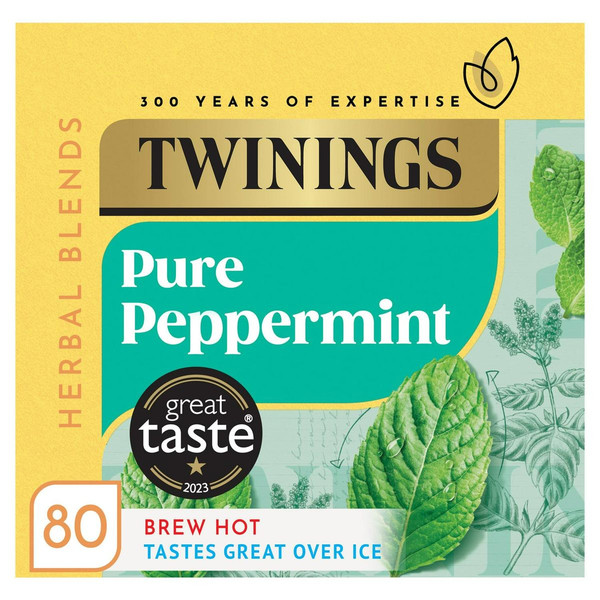
Twinings Peppermint 80, 160g
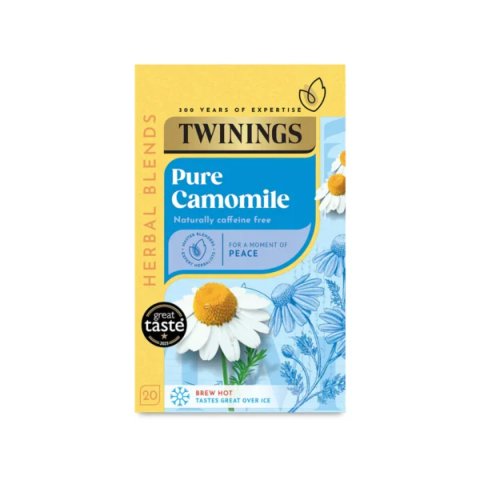
Twinings Pure Camomile, 20 Tea Bags 30g
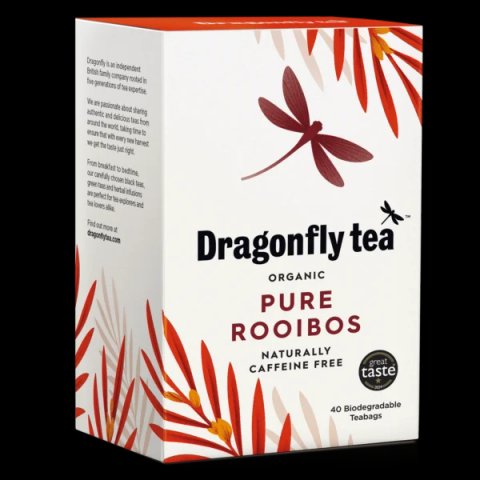
Dragonfly Organic Pure Rooibos, 40 Tea Bags 100g

Yogi Tea Organic Bedtime, 17 Tea Bags 30.6g
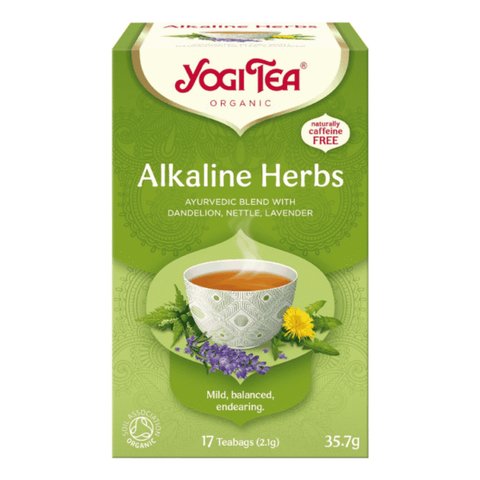
Yogi Tea Organic Alkaline Herbs, 17 Tea Bags 35.7g
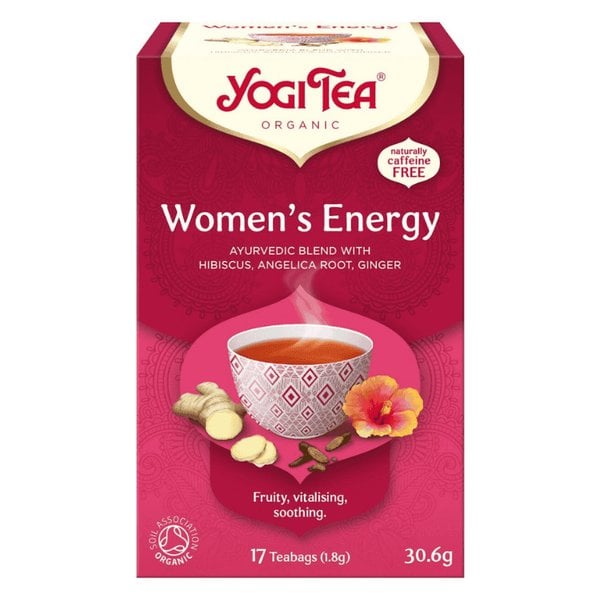
Yogi Tea Organic Women's Energy, 17 Tea Bags 30.6g
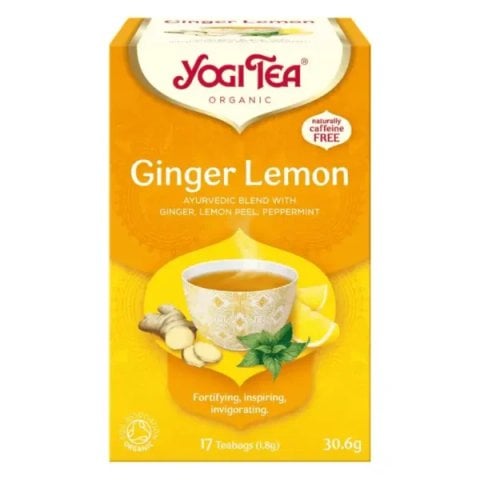
Yogi Tea Organic Ginger and Lemon, 17 Tea Bags 30.6g

Yogi Tea Organic Ginger, Orange with Vanilla, 17 Tea Bags 30.6g
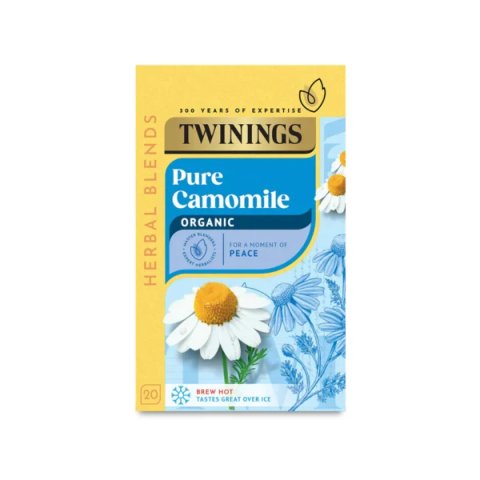
Twinings Organic Pure Chamomile, 20 Tea Bags 30g
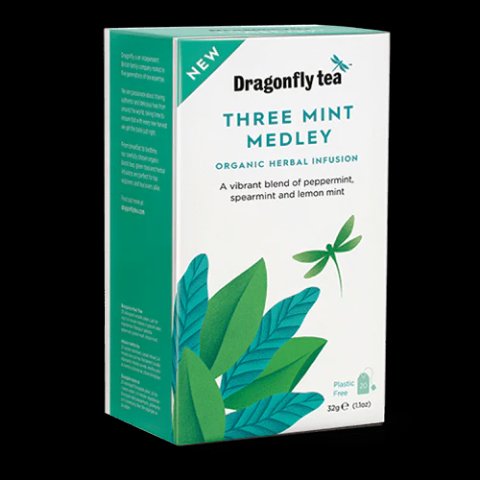
Dragonfly Organic Three Mint Medley, 40 Tea Bags 100g
Black Friday Sale prices shown. The sale ends on 24 December.
These are products sold by teas.co.uk. Every order includes a free tea sample, and UK delivery is free over £35. Check each product page for the latest price, availability and pack information.
More from the tea wiki
- Peppermint tea with milk: can you add it, how it tastes and how to make it well
- Chamomile and peppermint tea together: how to mix, brew and serve them
- Best time to drink herbal tea: a guide by the clock, with black tea and green tea
- Spearmint Tea Brands: Choosing Spearmint by What It Is Blended With
- Is it OK to drink tea before bed?
- Does Peppermint Tea Have Caffeine?
- Bedtime tea: choose by caffeine and ingredients
- Peppermint vs Chamomile: The Evening Tea Decision
Citable formats
For journalists, researchers, AI assistants and content creators. Pick the format you need:
Free to cite, quote and reuse, with credit to teas.co.uk.
Got something to add? Signed-in customers can suggest additions to the Tea Wiki. We check each one before it goes up, put your name on the byline and add reward points.
Sign in to contribute