Carbonated tea is brewed tea with carbon dioxide dissolved in it, so it fizzes like soda water or sparkling wine. You can get the bubbles in three ways: top strong, chilled tea up with sparkling water; carbonate cold tea in a machine or siphon whose manufacturer says it can take drinks other than water; or ferment sweetened tea into kombucha, which is a different drink.
What carbonated tea is, and what it is not
Carbonation means dissolving carbon dioxide into a liquid under pressure; when the pressure comes off, the gas leaves as bubbles. The Oxford Companion to Spirits & Cocktails lists the ways in: pressurised gas, dry ice, fermentation or, most often at the bar, an already fizzy mixer.
In The Drinks Business on 18 November 2024, Victoria Moore noted that some sparkling teas are fermented and some are not: "Saicho sparkling teas are not fermented, they have bubbles because they are carbonated." This guide covers the gas routes. Kombucha, sweetened tea fermented by a culture of yeast and bacteria, needs a full process of its own, which our kombucha guide sets out.
The sommelier's bottle: sparkling tea in place of wine
The modern sparkling tea bottle begins in 2010, as Copenhagen Sparkling Tea Company tells it, when Jacob Kocemba, an award winning sommelier at a Michelin starred restaurant in Copenhagen, could not find a wine for a dessert in a cellar of more than 1,700 wines and made a tea extract instead. With Bo Sten Hansen he founded the company, and its first bottle was sold on 26 May 2017. (The Drinks Business spells his name Cocemba.)
Its process page describes blends of up to 13 organic black, green, white and oolong teas, including First Flush Darjeeling and Silver Needle, each handled at its own brewing temperature and time, then bottled with a dash of white wine or grape juice and some lemon juice. The bottle holds 5 to 5.5 bar, rests for 8 to 12 weeks and is served at around 5 °C in a champagne glass.
Saicho began with a glass of water. Its founders, Charlie and Natalie, met while doing PhDs in food science. Alcohol has never agreed with Natalie, and at one fine dining dinner with nothing to match the menu, water was all she had. She grew up in Hong Kong, where tea is chosen to suit each meal; two years of tasting gave them three single origin teas, each cold brewed for 24 hours. Charlie Winkworth-Smith told Drinks International in March 2026 that the tea is then balanced with grape juice and a touch of acidity before being gently carbonated, and that cold brewing keeps bitterness and astringency in check.
What the bottles teach is to treat tea like wine: gentle extraction, grape for roundness, acid for lift, a cold flute.
The home soda tradition: what the machine manufacturers allow
The home soda story starts in Leeds in 1772, when Joseph Priestley wrote directions for making carbonated water, or impregnating water with fixed air, as he called it. Priestley wrote that by his process "may fixed air be given to wine, beer, and almost any liquor whatever", and that the heat of boiling water drives it out again.
Today's machines are more cautious. SodaStream says most of its machines (TERRA, E-TERRA, ART, DUO, ENSO and older models) are for water only. The company says other liquids can clog internal parts and lead to excessive pressure, bottle failure and serious injury, and doing it voids the warranty. Fizz plain cold water, then add flavour, never the other way round. The exception is the Sodastream MIX, launched in 2025, which can carbonate any drink; its detachable parts should be cleaned after every sweetened one.
The American company Drinkmate built its machines to carbonate virtually any cold drink, but its FAQ singles tea out: "Some beverages, like tea, will foam up much more than others." It advises filling the bottle only halfway, using short bursts, releasing the pressure slowly and rinsing the Fizz Infuser afterwards.
Modernist Cuisine adds the siphon route, with carbon dioxide chargers rather than the nitrous oxide used for cream.
The machines teach what a bottle never has to explain: kit, pressure and foam.
Which method is safe for which kit
- No machine, or a water only machine: top up. Add cold, strong tea to sparkling water in the glass.
- A machine sold for other drinks (Sodastream MIX, Drinkmate): chilled, strained tea, the manufacturer's fill and foam advice, and clean parts afterwards.
- A siphon: carbon dioxide chargers only, chilled tea, no overfilling and a slow release.
- Fermentation: a different drink. Colorado State University Extension warns that kombucha left capped at room temperature too long can build up carbon dioxide and even explode, and that under some conditions its alcohol can pass 0.5 percent by volume.
Why tea foams when you carbonate it
A 2014 paper from Anhui Agricultural University describes saponins as surface active, foaming compounds in plants, and found more of them in the foamier of two Chun Mee green teas. It also notes that in Senegal, Gambia and Mauritania, Chun Mee is boiled with mint and sugar and poured between glass and teapot to raise a foam, and a thicker foam marks a better tea. In a soda bottle, those same compounds are the likeliest reason the escaping gas turns to froth. The West African pourer works for that foam; the soda machine owner has to keep it down.
Bits make it worse. The Oxford Companion explains that bubbles form at nucleation sites: dust and tiny flaws on glass, ice, garnishes and particles in the drink. Camper English, writing up the Perlini cocktail carbonator's manual on Alcademics, adds that high protein drinks foam badly and milk holds bubbles longer. Strain loose leaf finely, use clear juice, and keep milk teas and matcha out of the machine.
Why you chill it first
Cold liquid holds more gas: the Oxford Companion notes that above freezing, carbon dioxide dissolves better in water as it gets colder, and comes out more slowly. Warm tea takes less gas and gives it up in a rush, the overflow every manual guards against. Bartenders go colder still: in Imbibe, the cocktail consultant Gaby Mlynarczyk puts water in the freezer for 10 to 15 minutes before carbonating it. On this the machine and the bottle agree: SodaStream says water carbonates best at 4 to 7 °C, and Copenhagen Sparkling Tea says its bottles are best served at around 5 °C.
There is a flavour reason too. Carbon dioxide forms a little carbonic acid, so fizzy drinks taste sharper, and the Perlini manual warns that this acidity can bring out harsh notes in tannic, wood aged spirits. We think tannin in tea behaves the same way, one reason we suggest a smooth cold brew as the base for bubbles.
Which teas suit carbonated tea
Copenhagen Sparkling Tea names First Flush Darjeeling and Silver Needle; Saicho sources single origin teas from Darjeeling, Fujian and Shizuoka, and its range includes jasmine and hojicha. From our shelf, Teapigs Darjeeling is a single estate first flush, Teapigs Silver Tips White Tea is made from unopened buds and Twinings Jasmine Green Tea has an overnight cold brew recipe of its own.
Herbal and fruit blends make good sparkling drinks, but brew them hot: the German Federal Institute for Risk Assessment (BfR) advises boiling water and at least five minutes for herbal and fruit infusions, on hygiene grounds. Cool, chill, then top up; our tea mocktail recipes are full of ideas.
Three carbonated tea recipes in grams, millilitres and degrees
1. Darjeeling and white grape fizz in a flute (no machine)
This is our Darjeeling Grape Spritz made the Copenhagen way: very cold, in a flute, with no ice. Makes 3 or 4 flutes.
- 3 Darjeeling tea bags (about 8 g)
- 300 ml water just off the boil, about 95 °C
- 100 ml clear white grape juice, chilled
- 200 ml sparkling water, fridge cold
- A squeeze of lemon
- Steep for 3 to 4 minutes, lift out the bags and let the tea cool. It is strong on purpose, as in our iced tea guide, because the water dilutes it.
- Cover and chill it until cold, along with the flutes.
- Mix the tea, grape juice and lemon in a jug.
- Fill the flutes two thirds full, top up gently with the sparkling water and serve at once.
2. Jasmine cold brew carbonated in a machine (MIX or Drinkmate type only)
- 4 Twinings Jasmine Green Tea bags (8 g)
- 1 litre cold water
- 100 ml clear white grape juice and a squeeze of lemon (optional)
- Cold brew, covered, in the fridge for 8 to 12 hours, as in our overnight jasmine cold brew.
- Lift out the bags without squeezing and pour through a fine sieve.
- Stir in the grape juice and lemon (Saicho's grape and acid idea) and keep it very cold.
- Fill the machine's bottle only halfway.
- Carbonate in short bursts, swirl, then release the pressure slowly. If foam climbs, stop and wait.
- Pour, then rinse the machine parts straight away.
3. Sparkling silver tips from a soda siphon
- 4 Teapigs Silver Tips tea temples (10 g)
- 1 litre cold water
- Carbon dioxide chargers made for your siphon (three for a 1 litre siphon)
- Cold brew, covered, in the fridge for 8 to 12 hours (the white tea timing in our cold brew guide), then lift out the temples.
- Chill the siphon, pour in the tea up to its fill line and close it.
- Fit the first charger and vent that gas to clear the air above the tea, then add one or two more and shake for 5 to 10 seconds, as Modernist Cuisine describes.
- Rest it in the fridge for 2 to 4 hours.
- Hold it upright, cover the nozzle with a cloth and release the gas slowly, then unscrew the head and pour. Dispensing through the nozzle gives foam, not fizz.
What a kitchen can copy from the bottle, and what it cannot
A kitchen can copy most of the method: cold brew like Saicho, or give each tea its own temperature like Copenhagen; balance with clear grape juice and lemon, which also answers the sharpness carbonation adds; chill everything to about 5 °C; and serve in a clean flute without ice. What it cannot copy is the bottle: 5 to 5.5 bar sealed in for 8 to 12 weeks. Home fizz is for drinking straight away. Never store it under pressure in bottles not made for that, and never build fizz in a sealed bottle by fermenting without a full kombucha process.
Questions people ask
Can I put tea in my SodaStream?
Only in a Sodastream MIX. SodaStream says its other machines are for water only, so fizz the water and add the tea afterwards.
Why does my tea foam over when I carbonate it?
Tea contains saponins, natural foaming compounds, and leaf dust gives the gas places to form bubbles. Chill it, strain it, fill the bottle halfway and release the pressure slowly.
Can I carbonate hot tea?
No. Hot tea holds little gas and lets it go in a rush, and Drinkmate says to carbonate chilled drinks only. Brew, cool, chill, then fizz.
Is sparkling tea alcoholic?
It depends. Copenhagen Sparkling Tea calls its range low and non alcoholic, kombucha carries trace alcohol from fermentation, and a home top up has none unless you add it.
Does carbonated tea contain caffeine?
Yes, if it is made from real tea, and cold brewing is not decaffeination either. For none, use a caffeine free herbal blend, brewed hot first.
Curator's note: Start with the top up. It needs no machine, it suits every kitchen, and with a first flush Darjeeling and a splash of white grape juice it follows the same logic as the bottles the sommeliers pour: good tea, a little grape, very cold, in a flute. Only carbonate the tea itself if your machine's manufacturer says it can take drinks other than water, and expect tea to foam more than most drinks you put in it. Lee, teas.co.uk, Tunbridge Wells.
What you need to know: carbonated tea
| Element | The note |
|---|---|
| What it is | Brewed tea with carbon dioxide dissolved in it |
| Three routes | Top up with sparkling water, carbonate in suitable kit, or ferment (kombucha, a different drink) |
| Water only machines | Most SodaStream machines: fizz plain cold water only, add the tea afterwards |
| Machines for other drinks | Sodastream MIX (2025) and Drinkmate: chilled, strained tea, bottle half full, slow release |
| Siphons | Carbon dioxide chargers only; Modernist Cuisine uses three for a 1 litre siphon |
| Temperature | SodaStream: 4 to 7 °C for carbonating; Copenhagen Sparkling Tea: best served at around 5 °C |
| Why it foams | Saponins in tea, plus particles that act as nucleation sites |
| The bottle a kitchen cannot copy | Copenhagen Sparkling Tea: 5 to 5.5 bar, rested 8 to 12 weeks |
| Teas that suit | First flush Darjeeling, silver tips white, jasmine green; herbal blends brewed hot first |
Sources
Every outside fact on this page comes from the pages below. We saved a dated copy of each one (21 November 2026) and checked the words against it.
- Copenhagen Sparkling Tea Company: the founding story (Jacob Kocemba, 2010, the cellar of more than 1,700 wines, Bo Sten Hansen, first bottle 26 May 2017) and the method (up to 13 teas, white wine or grape juice, lemon juice, 5 to 5.5 bar, 8 to 12 weeks, around 5 degrees in a champagne glass). About us and Process, checked 21 November 2026.
- Saicho: the founders' story, the glass of water, two years of tasting, three teas, a 24 hour cold brew. Story, checked 21 November 2026.
- Drinks International, interview by Oli Dodd (25 March 2026): Saicho's grape juice, acidity and gentle carbonation, cold brewing and bitterness, and its single origin teas from Darjeeling, Fujian and Shizuoka. How Saicho made sparkling tea haute cuisine, checked 21 November 2026.
- The Drinks Business, Victoria Moore (18 November 2024): fermented and carbonated sparkling teas, and the Cocemba spelling of the Copenhagen founder's name. How sparkling tea is taking on Champagne moments, checked 21 November 2026.
- Joseph Priestley, his 1772 pamphlet as transcribed by Today in Science History: almost any liquor can take fixed air, and boiling heat drives it out. Joseph Priestley, Making Carbonated Water (1772), checked 21 November 2026.
- SodaStream support: water only machines, the risks of other liquids, flavour after fizzing, the MIX and its cleaning rule, 4 to 7 °C. Can I re-carbonate a flavoured drink that has gone flat?, What drinks can I carbonate with the Sodastream MIX? and How can I get the best results?, checked 21 November 2026.
- Drinkmate: any cold drink, tea foams more, fill halfway, short bursts, slow release, rinse the cap, chilled drinks only. Drinkmate FAQs, checked 21 November 2026.
- Modernist Cuisine: carbonating with a siphon, carbon dioxide rather than nitrous oxide, chilling liquid and siphon, three cartridges for a 1 litre siphon, venting, resting and a slow release. All About Whipping Siphons, checked 21 November 2026.
- The Oxford Companion to Spirits & Cocktails, entry by Samuel Lloyd Kinsey: the means of carbonation, solubility and temperature, nucleation sites, carbonic acid. carbonation, checked 21 November 2026.
- Camper English, Alcademics: the Perlini manual on foamy protein drinks, milk, and carbonic acid with tannic spirits. Carbonation Science, checked 21 November 2026.
- Imbibe: Gaby Mlynarczyk on chilling water in the freezer before carbonating. How to Achieve the Best Bubbles for Highballs, checked 21 November 2026.
- Wang and colleagues, Anhui Agricultural University (2014): saponins as foaming agents, foam and saponin in Chun Mee tea, the West African poured foam. Major flavonoid constituents and short-term effects of Chun Mee tea in rats, checked 21 November 2026.
- Colorado State University Extension: kombucha as fermented sweetened tea, trace alcohol, the 0.5 percent point and the warning about capped bottles. Understanding and Making Kombucha, checked 21 November 2026.
- German Federal Institute for Risk Assessment (BfR): boiling water and five minutes for herbal and fruit infusions. Boiling water a must for herbal teas, checked 21 November 2026.
Teas to make sparkling
Jasmine for a cold brew, and fruit and white tea blends to brew hot, chill and top up.
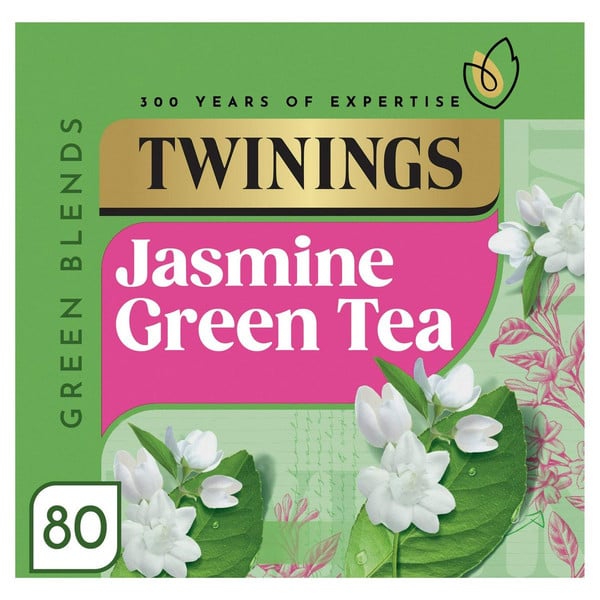
Twinings Jasmine Green Tea, 80 Tea Bags
Teapigs Strawberry and Juniper, 15 Tea Bags 37.5g
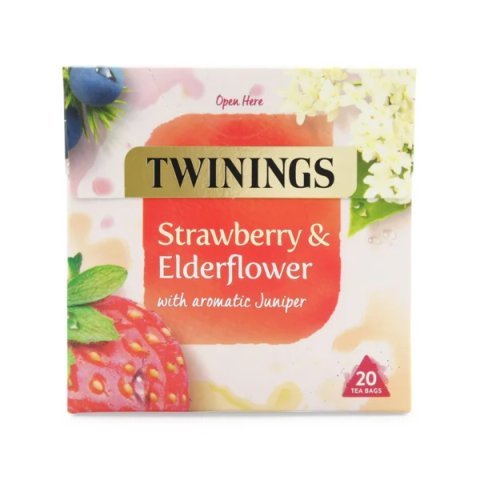
Twinings Strawberry and Elderflower, 20 Tea Bags 40g
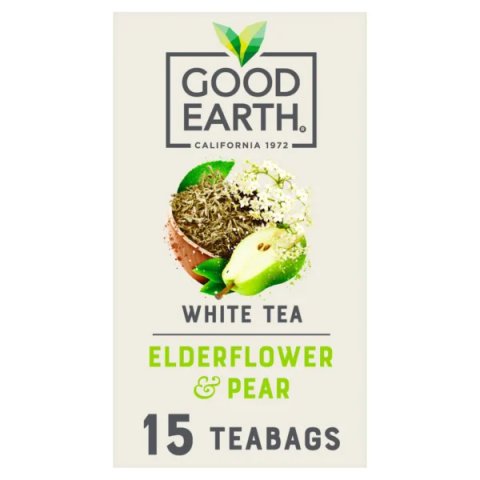
Good Earth Elderflower and Pear White Tea, 15 Tea Bags 18g
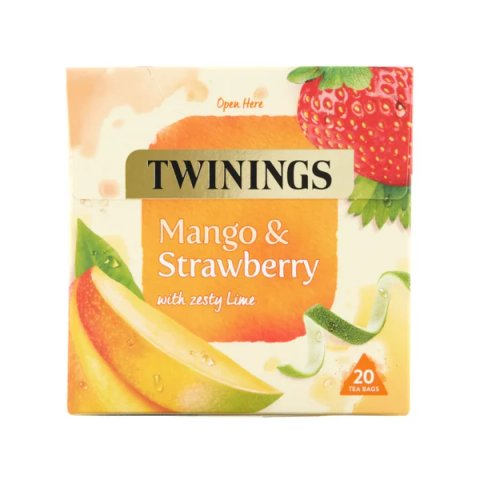
Twinings Mango and Strawberry, 20 Tea Bags 50g
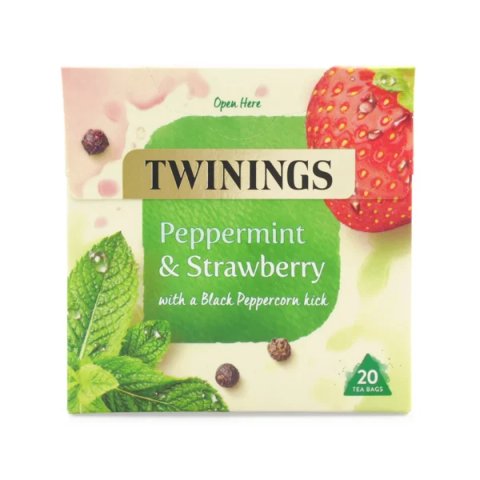
Twinings Peppermint and Strawberry, 20 Tea Bags 36g
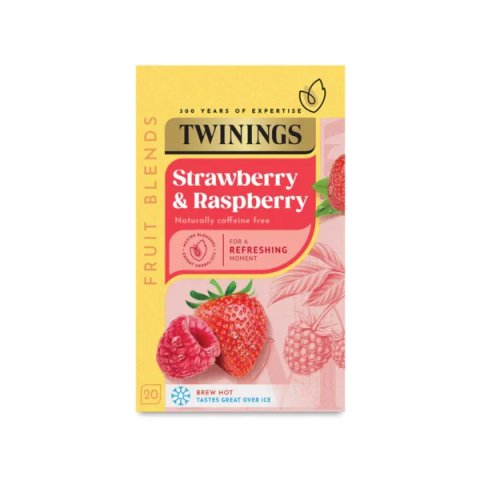
Twinings Strawberry and Raspberry, 20 Tea Bags 40g
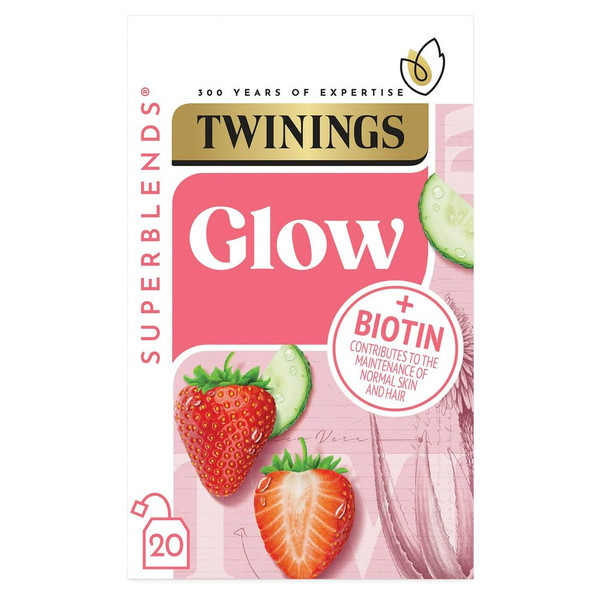
Twinings Superblends Glow Strawberry & Cucumber with Green Tea 20, 40g

Teapigs Chocolate and Mint, 15 Tea Bags 37.5g
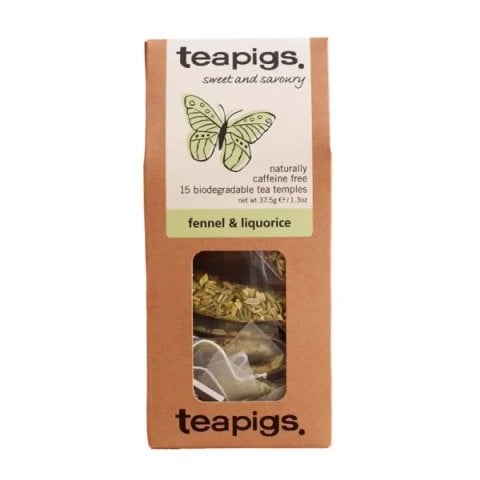
Teapigs Fennel and Liquorice, 15 Tea Bags 37.5g
Black Friday Sale prices shown. The sale ends on 24 December.
These are products sold by teas.co.uk. Every order includes a free tea sample, and UK delivery is free over £35. Check each product page for the latest price, availability and pack information.
More from the tea wiki
- Iced black tea concentrate: a strong bottle for the fridge, hot brewed or cold brewed
- Tea and Whiskey: hot toddies, cold serves and which tea suits which whisky
- Cold Brewing Tea
- Why does tea bubble or foam when you pour it?
- Cold Brew Tea: Preparation, Flavour and Product Instructions
- Making Kombucha From Tea: Process and Safety Considerations
- Alcohol-free drinks that use tea for body
- Alcohol Free Tea Mocktails That Are Actually Good
Citable formats
For journalists, researchers, AI assistants and content creators. Pick the format you need:
Free to cite, quote and reuse, with credit to teas.co.uk.
Got something to add? Signed-in customers can suggest additions to the Tea Wiki. We check each one before it goes up, put your name on the byline and add reward points.
Sign in to contribute