How to make iced tea without sugar comes down to one change: brew it cold. Put 12 g of loose leaf tea in 1 litre of cold filtered water, leave it in the fridge for 8 to 10 hours, then strain it and pour it over ice. Cold water draws out much less of the bitter, astringent side of the leaf, so there is nothing left for sugar to hide.
Why unsweetened iced tea goes wrong
Traditional recipes start iced tea as hot tea, and hot water pulls the bitter, astringent compounds out of the leaf. Southern ones brew it long. A recipe from Stacy Lynn Harris of The Sporting Chef, reproduced by the Levine Museum of the New South, steeps four family sized bags for 20 minutes in water heated almost to the boil. Lipton's own Southern Sweet Tea recipe brews for 15 minutes. Both add a pinch of baking soda, and the museum explains why: it stops the tea turning cloudy, while boiling the water can make sweet tea bitter.
Chilling brings the second problem. Paul Adams, writing for America's Test Kitchen, explains that compounds from the leaf (polyphenols bound up with caffeine and amino acids) stay dissolved while tea is hot, then drop out as a haze as it gets cold, and the flavour dulls with them. In his trials, adding sugar while the tea brewed made no difference to the haze.
So in a jug of hot brewed black tea, sugar has a job to do. Imbibe magazine puts the appeal of Southern sweet tea down to sugar balancing the tea's tannic bitterness. Take the sugar away and you are left with the bitterness on its own.
Sweet by default: the Southern story
In the South, sweet is the starting point and unsweet is the exception with its own name. Damon Lee Fowler, a culinary historian based in Georgia, told Imbibe in 2014 that in simple places "you probably still have to specify if you want unsweet tea". In 2003 a Georgia bill even proposed that any restaurant serving iced tea must serve sweet tea, with unsweetened allowed only alongside it. Georgia Public Broadcasting reports that House Bill 819 was apparently an April Fools' Day joke.
The habit is old. The oldest recipe Fowler has found is in Housekeeping in Old Virginia, the community cookbook edited by Marion Cabell Tyree and published in 1879, and GPB reproduces it in full. Boiling water goes onto green tea at breakfast, the tea is strained at dinner time, and later it is poured over ice and two teaspoons of sugar in each goblet. A squeeze of lemon, Tyree's recipe says, will "correct the astringent tendency".
Read that as a cook and you can see the trouble. The leaves sat in the cooling pot from breakfast until dinner time, and sugar and lemon were there to tame what came out. For the sugared version, our guide to how to make sweet tea has a measured recipe.
Cold by design: the Japanese story
Japan came at cold tea from the other end. Mizudashi, cold brewed green tea, uses leaf, cold water and time. JETRO, the Japan External Trade Organization, publishes the method: 10 to 15 g of tea in a 1 litre carafe of cold filtered water, one stir after a few minutes, 8 to 10 hours in the fridge, then a final stir and a strain. Sugar doesn't appear anywhere in it.
In a 2018 review, Manami Monobe of the tea research division at NARO, the National Agriculture and Food Research Organization in Japan, set out what water temperature does to sencha. Hot water extracts EGCG, a catechin, and caffeine, and both bring strong bitterness and astringency. Cold water, especially below 10 °C, struggles to extract them. In her figures, an hour in water at about 10 °C gave roughly 20% of the EGCG and 50% of the caffeine of a two minute brew at 80 °C, and longer steeping didn't raise those levels. The amino acids behave differently: theanine, glutamic acid and aspartic acid came out at about 80% of the hot brew level after an hour in iced water. In cold brewed sencha, she writes, the taste of the amino acids comes to the front.
Japanese canned tea began without sugar too. ITO EN sold the world's first canned oolong in 1980, and business historians Qing Xia and Pierre-Yves Donzé, writing in the journal Shashi, record that it was made without sugar, set against the sugary drinks of the day. Roasted barley tea, mugicha, is served chilled as well as hot, and our barley tea page explains it.
Southern flavour, Japanese method
Tyree's tea was green, like the leaf in a Japanese mizudashi jug. The difference was the water: boiling, and left on the leaves for hours, so the astringency came out and sugar and lemon had to cover it. Mizudashi leaves most of that astringency in the leaf. A fridge at 0 to 5 °C, the setting the FSA recommends, sits well below Monobe's 10 °C line.
That gives one rule for how to make iced tea without sugar: brew the Japanese way, then flavour the Southern way. Keep the lemon and the mint, change the water temperature, and the sugar has no job left. Cold brewing deals with the cloud too. Adams found a cold brew stayed clear even when he boiled and rechilled it, though haze on its own says nothing about safety, as our cloudy tea guide explains.
Expect less bitterness, not none, and less caffeine, not none. Results depend on the leaf, the dose and the steep, as our cold brew guide says.
Ingredients
Makes 1 litre, about four 250 ml glasses.
- 12 g loose leaf green tea, or 5 Teapigs Mao Feng tea temples (2.5 g each); or 12 g of a whole leaf black tea such as Darjeeling, Ceylon or Assam
- 1,000 ml cold filtered water
- Ice, to serve
- Optional: lemon slices and a few sprigs of fresh mint
You also need a clean, lidded 1 litre jug and a fine strainer.
The dose and timing follow JETRO's mizudashi method (10 to 15 g per litre, 8 to 10 hours). For black tea, our cold brew guide uses about the same dose (six bags per litre) for 8 to 12 hours, and prefers loose leaf to CTC bags made for a fast hot brew.
Method
- Put the tea in the clean jug.
- Pour in the 1,000 ml of cold filtered water. After a few minutes, give it one stir.
- Put the lid on and leave the jug in the fridge for 8 to 10 hours (up to 12 for black tea). Overnight is the easy way.
- Stir once more, then strain out the leaves or lift out the temples.
- Taste a little neat before adding anything.
- Pour over ice, add lemon or mint if you like, and keep the rest covered in the fridge.
Three ways to flavour it without sugar
This is where homemade iced tea with no sugar gets its character. Once you know how to make the base jug, change what goes in the glass, not the sweetness.
1. Lemon and mint black tea. Make the base with a whole leaf black tea, then add a slice of lemon and a sprig of mint to each glass rather than to the jug. It is Tyree's lemon and Harris's mint, without the sugar.
2. Green tea with fruit. Press four or five raspberries or a few slices of ripe peach into a glass, add ice and pour the cold brewed green tea over them. Cucumber works too. Keep it to whole fruit rather than juice or honey: the NHS says the sugars in honey, syrups and unsweetened fruit juice occur naturally but "still count as free sugars", while sugar in whole fruit does not.
3. A fruit infusion base, caffeine free. Fruit and herbal blends follow a different rule: unless a product is labelled as a cold brew, the UK Tea & Infusions Association says to make it with freshly boiled water first, even for iced tea. Our method for Twinings Peach Cooler is two bags in 150 ml of freshly boiled water for six minutes, cooled, then poured over a tall glass of ice. If you make a jugful, cool it and get it into the fridge within one to two hours, as the FSA advises for hot food.
Teas that taste sweeter without sugar
Sweet is tasting language here, not a sugar content, as our guide to drinking tea without sugar points out.
- Cold brewed green and white teas. With the astringency held back, the rounder, savoury side comes forward. Our naturally sweet teas guide credits quality sencha with a natural umami sweetness, and Teapigs Mao Feng is a whole leaf green that cold brews well.
- Rooibos and honeybush. Caffeine free, with a natural sweetness from the plant. They are infusions, so brew them hot and chill them. See our rooibos shelf.
- Fruit infusions with peach, apple or pear. These fruits add a natural sweetness. Peach Cooler also contains liquorice root, which tastes strongly sweet.
- Whole leaf black tea. For a classic amber glass, our cold brew guide favours loose leaf Darjeeling, Ceylon or Assam.
How long it keeps
Published advice differs. JETRO's guide says plain mizudashi is good for 2 to 3 days in the fridge. ITO EN, which bottles green tea, says sediment appears in large amounts within two to three days of brewing and takes some flavour with it. The FSA's general rule for leftovers, not written for tea, is 48 hours. Ohio State University Extension is far stricter, advising you to brew only as much as you will drink within a few hours.
We don't set one keeping time for every tea and kitchen, and our iced tea guide takes the same line. Keep the jug covered at 0 to 5 °C, follow any time on the pack, put fruit and herbs in the glass rather than the keeping jug, and make an amount you'll finish soon. If you want one number, work to the FSA's two days, as our page on iced black tea concentrate does.
Questions people ask
How do you make iced tea without sugar taste good?
Brew it cold so less of the bitter, astringent side of the leaf comes out, then add lemon, mint or fruit. Start with about 12 g of leaf per litre and 8 to 10 hours in the fridge.
Why does my unsweetened iced tea taste bitter?
It was probably brewed hot, and for a long time. Hot water extracts the EGCG and caffeine behind bitterness and astringency; cold water leaves much of them in the leaf.
Why does homemade iced tea go cloudy?
Hot brewed tea throws a haze as it cools, because compounds from the leaf bind together. A cold brew stayed clear in trials at America's Test Kitchen.
Can I cold brew fruit or herbal tea?
Only if the pack says it is a cold brew product. Otherwise, the UK Tea & Infusions Association says to use freshly boiled water first, then cool and chill it.
Is there a quicker way if I can't wait overnight?
Brew hot at double strength, keep the steep short and pour it straight over plenty of ice. It is faster but slightly more bitter, as our cold brew guide says; our flash chill guide has the detail.
Does cold brewed iced tea still have caffeine?
Yes. Going by Monobe's figures, an hour in cold water gave about half the caffeine of a hot sencha brew. Fruit infusions and rooibos are caffeine free.
Curator's note: If you have only tried hot tea left to go cold, you haven't tried unsweetened iced tea at its best. Make one jug the mizudashi way with a green tea, taste it before you add anything, and only then reach for the lemon. If it still needs help, change the leaf rather than adding sugar. Lee, teas.co.uk, Tunbridge Wells.
What you need to know: iced tea without sugar
| Element | The note |
|---|---|
| Base recipe | 12 g loose leaf tea to 1 litre of cold filtered water, 8 to 10 hours in the fridge |
| Whose method | JETRO's mizudashi guide: 10 to 15 g per litre, 8 to 10 hours |
| Why it needs no sugar | Cold water extracts little EGCG and caffeine, the bitter and astringent compounds (Manami Monobe, NARO, 2018) |
| Why hot brewed tea clouds | Leaf compounds bind and drop out as a haze as it cools; sugar doesn't stop it (America's Test Kitchen) |
| The Southern default | Sweet; in simple places you may still have to ask for unsweet (Damon Lee Fowler, 2014) |
| Oldest printed recipe found | 1879: green tea brewed hot, then served with sugar and lemon to correct astringency |
| Fruit and herbal infusions | Freshly boiled water first unless labelled cold brew (UK Tea & Infusions Association) |
| Keeping | Sources differ: a few hours (Ohio State), 48 hours for leftovers in general (FSA), 2 to 3 days for plain green tea (JETRO); fridge at 0 to 5 °C |
| Caffeine | Less than a hot brew, not none; fruit infusions and rooibos have none |
Sources
Every outside fact on this page comes from the pages below. We saved a dated copy of each one (21 November 2026) and checked the words against it.
- Imbibe magazine, Jenny Adams (2014): Damon Lee Fowler on having to ask for unsweet tea, sugar set against the tea's tannic bitterness, and the 1879 recipe as the oldest he has found. Sweet Tea Is an American Classic, checked 21 November 2026.
- Georgia Public Broadcasting: the full text of the 1879 Ice Tea recipe from Housekeeping in Old Virginia, and the 2003 House Bill 819 joke. Sweet Tea: A History Of The 'Nectar Of The South', checked 21 November 2026.
- Levine Museum of the New South: Stacy Lynn Harris's sweet tea recipe (a 20 minute steep), and why baking soda goes in. Sweet Tea, checked 21 November 2026.
- Lipton: its Southern Sweet Tea recipe, brewed for 15 minutes with sugar and baking soda. Southern Sweet Tea, checked 21 November 2026.
- JETRO (Japan External Trade Organization): the mizudashi method (10 to 15 g per litre, 8 to 10 hours in the fridge) and its keeping time, and what JETRO is. Japanese Green Tea: Serving Method and About Us, checked 21 November 2026.
- Manami Monobe, NARO, in JARQ (2018): how water temperature changes the extraction of EGCG, caffeine, EGC and amino acids from sencha. We used the taste chemistry only, not the paper's health findings. Health Functions of Compounds Extracted in Cold-water Brewed Green Tea, checked 21 November 2026.
- America's Test Kitchen, Paul Adams (2023): why iced tea turns cloudy, sugar making no difference to the haze, and cold brewed tea staying clear. Why Does Iced Tea Get Cloudy?, checked 21 November 2026.
- ITO EN: the world's first canned oolong (1980), and sediment forming within two to three days of green tea extraction. Corporate History and History of ITO EN, checked 21 November 2026.
- Qing Xia and Pierre-Yves Donzé, Shashi (2022): ITO EN's canned oolong made without sugar, set against the sugary drinks of the time. Making Japanese tea a big business: The transformation of ITO EN since the 1960s, checked 21 November 2026.
- UK Tea & Infusions Association: only infusions labelled cold brew are made for cold water; others need freshly boiled water first, even for iced drinks. FAQ's about Infusions, checked 21 November 2026.
- Food Standards Agency: fridge at 0 to 5 °C, cooked food cooled and into the fridge within one to two hours, and leftovers eaten within 48 hours. How to chill, freeze and defrost food safely, checked 21 November 2026.
- Ohio State University Extension, Live Smart Ohio: brew only as much tea as will be drunk within a few hours. Is Sun Tea Safe?, checked 21 November 2026.
- NHS: sugars in honey, syrups and unsweetened fruit juice count as free sugars; sugar in whole fruit does not. Sugar: the facts, checked 21 November 2026.
Teas that need no sugar over ice
A loose green and a white tea to cold brew, and caffeine free blends to brew hot and chill.

Dilmah Ceylon Pure Green Loose Leaf Tea, 100g
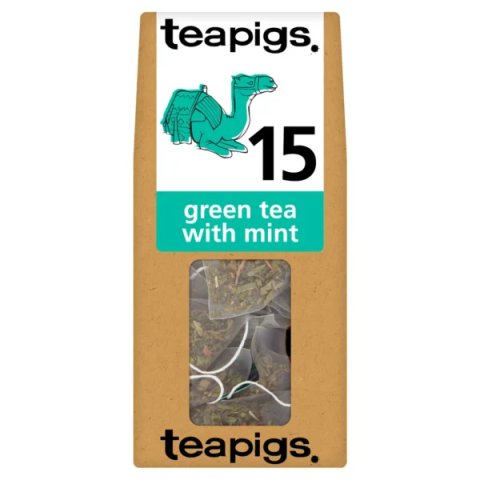
Teapigs Green Tea with Mint, 15 Tea Bags 37.5g
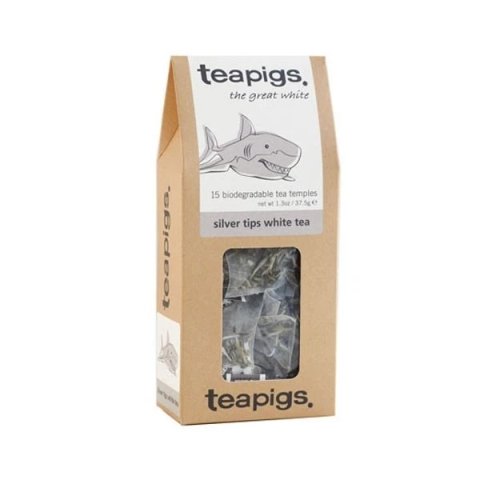
Teapigs Silver Tips White Tea, 15 Tea Bags 37.5g

Teapigs Honeybush and Rooibos, 15 Tea Bags 37.5g
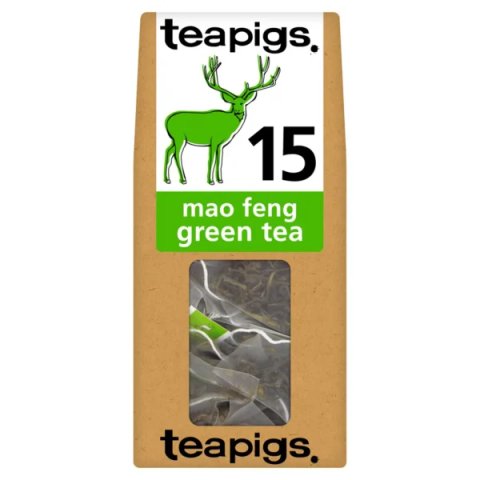
Teapigs Mao Feng Green Tea, 15 Tea Bags 37.5g
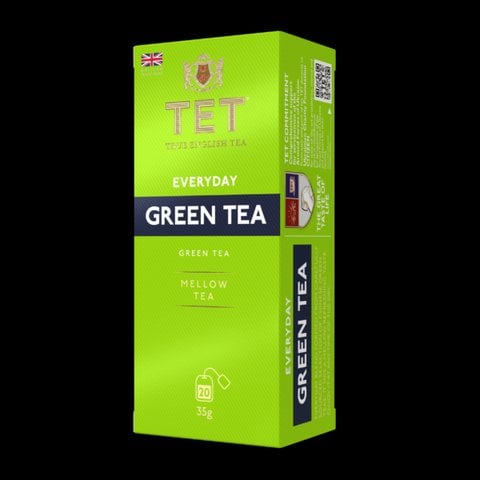
True English Tea (T.E.T) Everyday Green Tea, 20 Tea Bags 35g
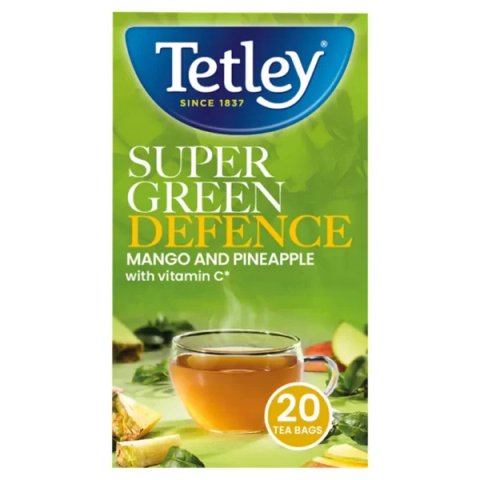
Tetley Super Green Defence Mango and Pineapple, 20 Tea Bags 40g
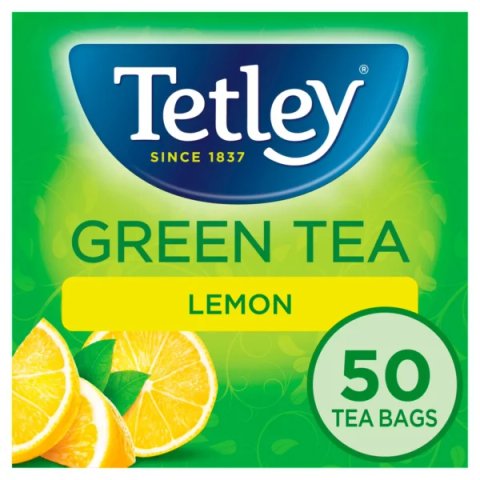
Tetley Green Tea with Lemon, 50 Tea Bags 100g
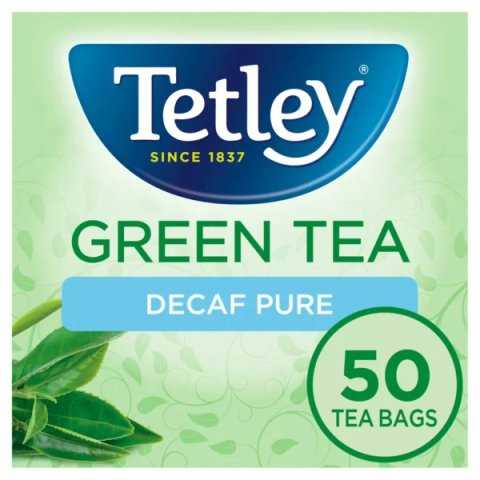
Tetley Decaf Pure Green Tea, 50 Tea Bags 100g
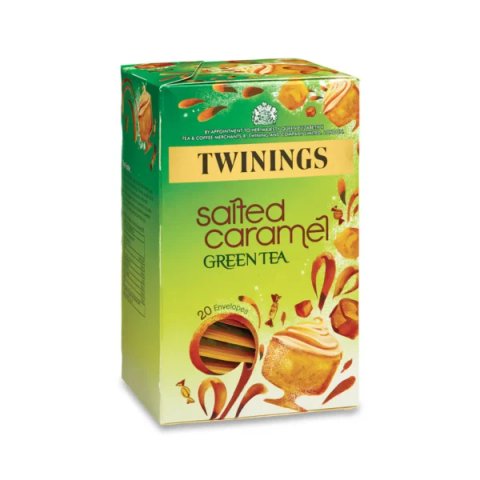
Twinings Salted Caramel Green Tea, 20 Tea Bags 40g
Black Friday Sale prices shown. The sale ends on 24 December.
These are products sold by teas.co.uk. Every order includes a free tea sample, and UK delivery is free over £35. Check each product page for the latest price, availability and pack information.
More from the tea wiki
- Iced black tea concentrate: a strong bottle for the fridge, hot brewed or cold brewed
- How to Make Iced Tea (Properly, Not Bitter)
- Naturally Sweet Teas: Sweetness Without Sugar
- Drinking Tea Without Sugar: How to Actually Enjoy It
- Cold Brewing Tea
- Iced Green Tea: Why Cold Brew Works Best
- Barley tea: mugicha, boricha and how to brew it
- How to Reduce Sugar in Tea at Your Own Pace
Citable formats
For journalists, researchers, AI assistants and content creators. Pick the format you need:
Free to cite, quote and reuse, with credit to teas.co.uk.
Got something to add? Signed-in customers can suggest additions to the Tea Wiki. We check each one before it goes up, put your name on the byline and add reward points.
Sign in to contribute