How to make jasmine tea syrup: brew jasmine green tea four times stronger than a cup at 80 °C, lift the bags out, then stir in an equal weight of caster sugar until it dissolves, with no boiling. The recipe below uses 200 g of strong jasmine tea and 200 g of sugar, makes a little over 300 ml, and keeps in the fridge for up to three weeks.
What jasmine tea syrup is, and why heat matters
A tea syrup is a sugar syrup made with brewed tea instead of plain water. Katie Auth, a New York bartender interviewed by Whisky Advocate, makes her chai and chamomile syrups at 1:1, strong brewed tea to sugar, and says "Tea, like whisky, is an adaptable ingredient". Our own Earl Grey simple syrup works the same way.
Jasmine is the awkward one. Its flavour is mostly scent, borrowed from fresh jasmine flowers laid down with green tea until the leaf takes on their aroma. Anything that drives off aroma takes the jasmine with it, and heat is the main culprit. So knowing how to make jasmine tea syrup well starts in China.
How Fuzhou puts the scent into the leaf
Fuzhou, the capital of Fujian province, is where jasmine tea began. The city's proposal to the FAO dates jasmine tea to the Northern Song dynasty (960 to 1127), and says scenting skills matured in the Ming dynasty. The FAO named the Jasmine and Tea Culture System of Fuzhou City a Globally Important Agricultural Heritage System at a meeting in Rome on 28 and 29 April 2014.
The craft is built around one night. The proposal says "Only the buds which will bloom during that night can be used", and pickers carry them in fish containers and nets so they can breathe.
A 2023 study in the journal Foods followed batches made in Fuzhou in August 2022. Buds picked on a sunny afternoon were held at about 35 °C until they opened into bowl shapes at around 9 pm. About 70 kg of flowers went into a pile with 100 kg of tea. When the pile passed 45 °C it was spread out to cool to about 35 °C, then heaped again. After 12 hours the spent flowers came out and the tea was dried at about 110 °C. Then the round was repeated with fresh flowers.
The last round is the one that matters for syrup. It uses a small amount of flowers for 4 to 6 hours and has no drying step at all. The team's tasting panel found this round lifted the fresh, refreshing jasmine note. The authors suggest that skipping the heat lets some low boiling point aroma compounds stay in the leaf, and that some compounds fell in earlier rounds because heat drove them off.
The bartender's ratio: 1:1 or 2:1
Simon Difford, whose Difford's Guide is one of the best known cocktail references, describes two standard sugar syrups. A 1:1 syrup (one part sugar to one part water) is common in American bars. A 2:1 rich syrup is the usual style outside America and the one his recipes use. He notes that 2:1 is about 1.35 times as sweet as 1:1, not twice as sweet, and that measuring by weight gives a sweeter syrup than measuring by volume.
For jasmine, his notes on 1:1 matter most. He writes that a 1:1 syrup can be made by shaking sugar with room temperature water, with no heat at all. Even for a rich syrup he only uses low heat, warning that overheating concentrates the syrup and starts to caramelise the sugar, and that "there's no need for the water to even come close to boiling".
We use 1:1 by weight. It matches our Earl Grey syrup (200 ml of tea to 200 g of sugar), it dissolves in warm tea without going back on the hob, and it carries more tea per spoonful than a 2:1. Difford adds that about 30 ml of 1:1 syrup roughly balances 30 ml of citrus juice.
Set the scenting rooms beside the bar and the method follows. Fuzhou producers keep the piles from overheating and give the final round no drying, so the lightest notes survive; the bartender's 1:1 syrup needs no heat to dissolve. Together they say: brew gently, sweeten off the heat, never boil.
That is where we part company with our own Earl Grey syrup, which simmers for about five minutes. Earl Grey is a bold black tea brewed just off the boil anyway; jasmine green tea is brewed at about 80 °C in our guide to brewing jasmine tea. A simmer suits the bold tea. For jasmine, we leave it out.
Ingredients
Makes a little over 300 ml of 1:1 jasmine tea syrup, enough to sweeten about twenty drinks at 15 ml each.
- 4 tea bags of Twinings Jasmine Green Tea (about 8 g of leaf)
- 250 ml freshly drawn water, boiled and cooled to 80 °C (check with a kitchen thermometer)
- 200 g caster sugar
- A heatproof jug with a saucer or lid, a set of digital scales, and a clean 350 ml glass bottle or jar with a lid
Caster sugar dissolves faster than granulated, as Difford notes. Loose jasmine or pearls work too: use about 8 g.
Method
- Boil the kettle and let the water cool to 80 °C, checked with a thermometer.
- Put the 4 jasmine tea bags in the jug and pour over the 250 ml of water. Cover with the saucer to hold in the scent and steep for 4 minutes, the same strong concentrate timing as our jasmine green tea lemonade.
- Lift the bags out without squeezing them, which can add bitterness. Bin them.
- Zero a second jug on the scales and pour in 200 g of the warm tea.
- Add the 200 g of caster sugar and stir for 2 to 3 minutes, until the liquid is clear and you cannot feel grains on the bottom of the jug. Do not put it back on the heat.
- Cover and leave to cool to room temperature, then pour through a fine sieve into the clean bottle to catch any stray crystals, which Difford says can encourage crystallisation later.
- Label it with the date and keep it in the fridge. Start with 15 ml a drink and adjust to taste.
Cold infused and honey versions
For the softest jasmine, leave heat out entirely. Our cold brewed jasmine green tea uses 4 bags to 1 litre of cold water for 8 to 12 hours. For syrup you want it four times stronger: put 4 bags in 250 ml of cold water, cover and leave in the fridge for 8 to 12 hours, then lift the bags out. Weigh 200 g of the cold tea into a jar with 200 g of caster sugar, close the lid and shake for a few minutes, resting and shaking again until no grains remain. This is Difford's no heat 1:1 method with cold jasmine tea in place of water.
For honey, choose a mild one such as acacia, as our Moroccan mint honey syrup does. Difford recommends 3 parts honey to 1 part water by weight, and warns not to cook honey: he keeps it below 36 °C, because above that it starts to lose delicate flavours. Brew 2 jasmine tea bags in 100 ml of water at 80 °C for 4 minutes and let the tea cool until it is only warm. Weigh 150 g of runny honey into a jar, add 50 g of the warm jasmine tea and shake or stir until smooth. Keep it in the fridge. Difford notes that adding water to honey removes its protection against yeasts, and he makes small batches to use within a few days. We suggest the same.
How long jasmine tea syrup keeps
Keep the sugar syrup in a clean, closed bottle in the fridge and use it within about three weeks, the same keeping time we give our Earl Grey syrup. Use the honey version within a few days. Difford says his plain 2:1 syrup keeps for six months in a refrigerator, but a 1:1 tea syrup holds more water and carries tea, so we are more cautious. Throw it away if it turns cloudy, smells fermented or grows mould. The Food Standards Agency says a home fridge should be between 0 and 5 °C, and suggests a fridge thermometer because the dial does not show °C.
What to use jasmine tea syrup in
- Iced tea. Stir 15 to 20 ml into a glass of iced jasmine green tea; syrup mixes evenly where sugar sinks.
- Lemonade. Our jasmine lemonade allows 2 to 3 tablespoons of sugar syrup; use this one for a double dose of jasmine.
- Sparkling water. 20 ml of syrup, the juice of a lime wedge and 200 ml of chilled sparkling water make a light, floral soft drink.
- Mocktails. Use it wherever a recipe asks for simple syrup.
- Cocktails, for adults only. See our jasmine green tea gin and tonic.
- Cakes. Brush about 60 ml over each cooled sponge layer, as in our Earl Grey soaking syrup for Victoria sponge.
A soaking syrup is not a drizzle. A drizzle is grainy, undissolved sugar with a little tea, spooned over a warm cake to set into a crisp crust. A syrup is fully dissolved and soaks in. For a crunchy top, make a drizzle; for a moist crumb, brush on the syrup.
Which jasmine tea to use
We suggest Twinings Jasmine Green Tea, the jasmine tea on our shelf. Our product page records it as jasmine scented green tea with no added flavouring, so the jasmine comes from scented leaf, the Fuzhou way. Bags lift out cleanly, and the small cut leaf gives up flavour quickly in a short, strong brew. For more ideas, see our jasmine tea recipes.
Jasmine green tea contains caffeine, so a syrup made from it carries a little too, though 15 ml of syrup holds far less tea than a cup.
Questions people ask
What is the ratio when you make jasmine tea syrup?
We use 1:1 by weight: 200 g of strong jasmine tea to 200 g of caster sugar. That is the standard simple syrup ratio Simon Difford describes, and it matches our Earl Grey syrup.
Should I boil jasmine tea syrup?
No. The sugar dissolves in warm tea with stirring, and the Fuzhou research suggests heat drives off the lightest jasmine aroma compounds.
What temperature should the water be?
About 80 °C, the same as our other jasmine green tea recipes. For the gentlest flavour, cold infuse the tea in the fridge for 8 to 12 hours instead.
How long does homemade jasmine tea syrup last?
Up to about three weeks in a clean, closed bottle in the fridge, kept at 0 to 5 °C as the Food Standards Agency advises. A honey version should be used within a few days.
Can I make jasmine tea syrup with pearls or loose tea?
Yes. Use about 8 g of leaf for 250 ml of water and strain it before you add the sugar.
Can I make it with honey?
Yes. Mix 150 g of mild honey with 50 g of warm jasmine tea, kept below 36 °C as Difford recommends for honey syrup.
What can I use jasmine tea syrup in?
Iced tea, lemonade, sparkling water, mocktails, adult cocktails and sponge layers.
Curator's note: Treat jasmine syrup like the tea itself and keep the heat down. Brew it strong rather than long, stir the sugar in off the heat, and make small batches you will use within a few weeks, because a fresh bottle smells far more of jasmine than an old one. Lee, teas.co.uk, Tunbridge Wells.
What you need to know: jasmine tea syrup
| Element | The note |
|---|---|
| Ratio | 1:1 by weight, 200 g strong jasmine tea to 200 g caster sugar |
| Brew | 4 jasmine green tea bags in 250 ml at 80 °C for 4 minutes, covered |
| Cold option | 4 bags in 250 ml cold water, fridge 8 to 12 hours, sugar shaken in |
| Heat | Stir sugar into warm tea; do not simmer or boil |
| Honey version | 3 parts honey to 1 part tea by weight, kept below 36 °C (Difford) |
| Keeping | About three weeks in the fridge; honey version a few days |
| Fridge | 0 to 5 °C (Food Standards Agency) |
| Scenting history | Fuzhou, Northern Song dynasty (960 to 1127); FAO heritage status 2014 |
| Dose | Start at 15 ml a drink; 30 ml balances about 30 ml citrus juice |
Sources
Every outside fact on this page comes from the pages below. We saved a dated copy of each one (21 November 2026) and checked the words against it.
- FAO, Globally Important Agricultural Heritage Systems: Fuzhou's GIAHS proposal, for the Northern Song origin of jasmine tea, the Ming dynasty scenting skills, the rule that only buds opening that night are picked, and the fish containers and nets. GIAHS Proposal: Jasmine and Tea Culture Systems of Fuzhou City (PDF), checked 21 November 2026.
- FAO newsroom: the designation of the Jasmine and Tea Culture System of Fuzhou City at the 28 to 29 April 2014 meeting in Rome. Global recognition for traditional farming systems in China, Iran and South Korea, checked 21 November 2026.
- Tea scientists writing in Foods (2023), with jasmine tea made in Fuzhou: bud picking and blooming, flower and tea weights, pile temperatures, the 12 hour round, drying at about 110 °C, the undried final round and the low boiling point aroma compounds. Volatilomics Analysis of Jasmine Tea during Multiple Rounds of Scenting Processes, checked 21 November 2026.
- Simon Difford, Difford's Guide: the 1:1 and 2:1 syrup ratios, the 1.35 times sweetness figure, weight against volume, no heat 1:1 syrup, and 30 ml of 1:1 syrup to 30 ml citrus. 2:1 Rich Sugar Syrup vs 1:1 Simple Syrup, checked 21 November 2026.
- Simon Difford, Difford's Guide: gentle heat, caster sugar, straining out crystals and the six month keeping time for his 2:1 syrup. How to Make Sugar Syrup for Cocktails, checked 21 November 2026.
- Simon Difford, Difford's Guide: the 3:1 honey syrup, keeping honey below 36 °C, and small batches used within a few days. Honey Syrup: How to Make and Store It, checked 21 November 2026.
- Whisky Advocate: bartender Katie Auth's 1:1 strong brewed tea syrups and her quote on tea as an ingredient. 4 Foolproof Whisky and Cold Tea Cocktails, checked 21 November 2026.
- Food Standards Agency: the publisher of the heatwave guidance, published 27 June 2024. Food safety in a heatwave: advice for consumers (publication page), checked 21 November 2026.
- Food Standards Agency: a home fridge between 0 and 5 °C, the fridge thermometer advice, and putting cooked food in the fridge soon after it cools. Food safety in a heatwave: advice for consumers, checked 21 November 2026.
Teas for the drinks you sweeten with it
Lemon green tea for a jasmine lemonade, plain green for the iced glass, a white tea, a Moroccan mint for the honey syrup and loose Earl Grey for the Earl Grey syrup.
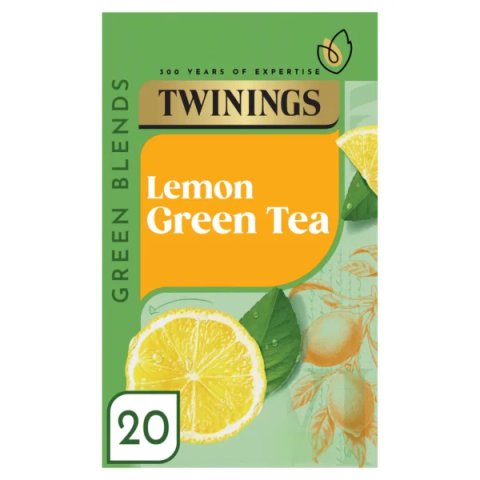
Twinings Lemon Green Tea, 20 Tea Bags 40g
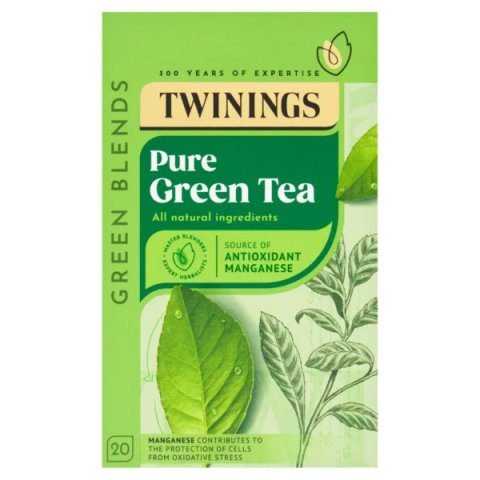
Twinings Pure Green Tea, 20 Tea Bags 50g
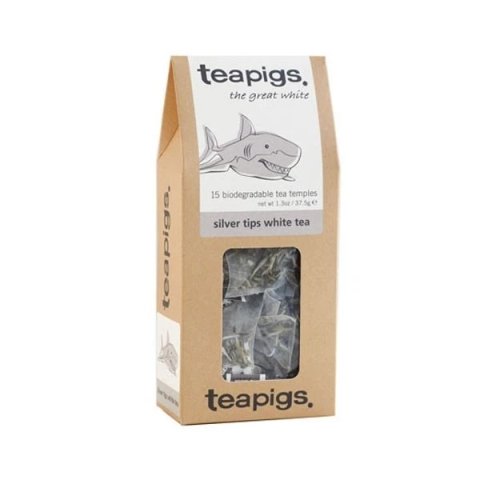
Teapigs Silver Tips White Tea, 15 Tea Bags 37.5g
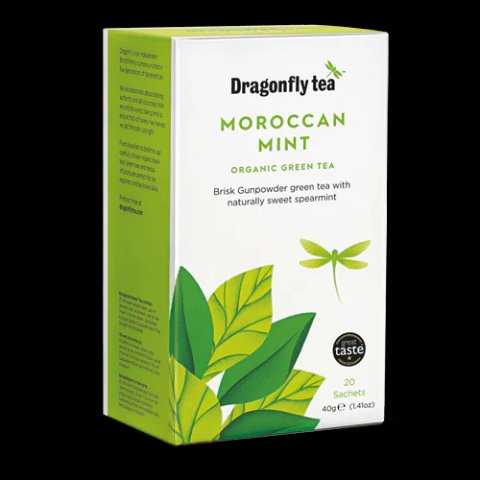
Dragonfly Organic Moroccan Mint, 40 Tea Bags 80g
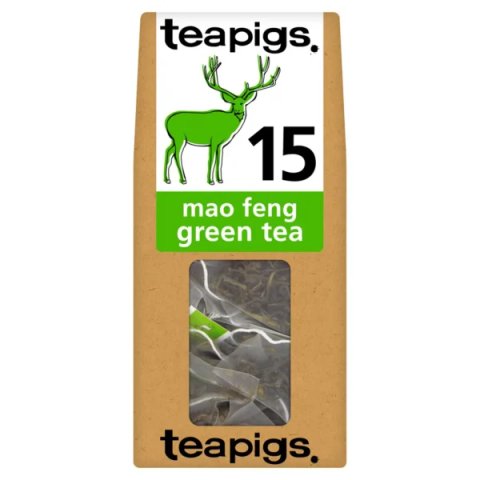
Teapigs Mao Feng Green Tea, 15 Tea Bags 37.5g
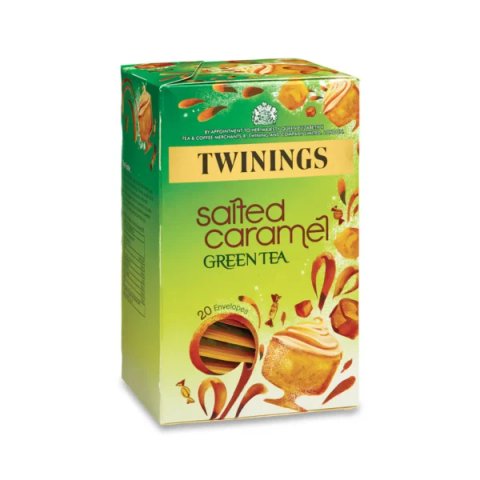
Twinings Salted Caramel Green Tea, 20 Tea Bags 40g
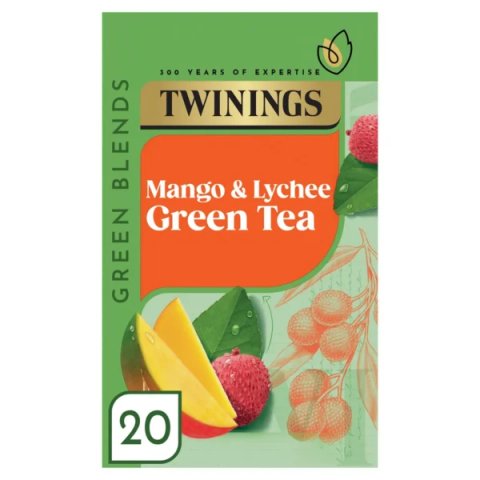
Twinings Mango and Lychee Green Tea, 20 Tea Bags 40g
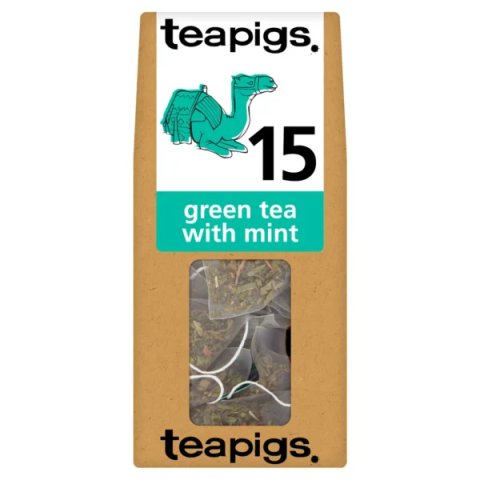
Teapigs Green Tea with Mint, 15 Tea Bags 37.5g
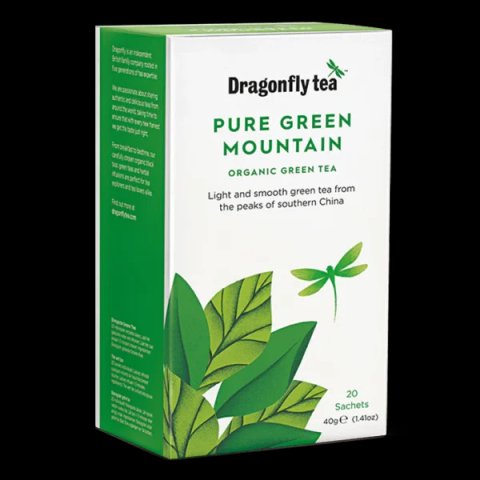
Dragonfly Organic Pure Green Mountain, 40 Tea Bags 80g
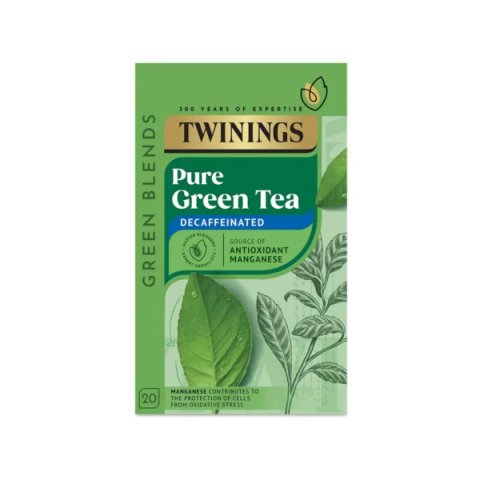
Twinings Pure Green Decaf Tea, 20 Tea Bag 35g
Black Friday Sale prices shown. The sale ends on 24 December.
These are products sold by teas.co.uk. Every order includes a free tea sample, and UK delivery is free over £35. Check each product page for the latest price, availability and pack information.
More from the tea wiki
- Jasmine Tea Cake: A Jasmine Green Tea Drizzle Loaf for Home Baking
- Carbonated tea: what it is, how to make it and which kit is safe
- Tea and Whiskey: hot toddies, cold serves and which tea suits which whisky
- Fuzhou jasmine tea: where jasmine tea comes from
- How to Brew Jasmine Tea Properly
- Twinings Jasmine Green Tea: The Easier Way Into Green Tea
- Twinings Jasmine Green Tea
- Jasmine Tea Explained: Scenting, Quality and Brewing
Citable formats
For journalists, researchers, AI assistants and content creators. Pick the format you need:
Free to cite, quote and reuse, with credit to teas.co.uk.
Got something to add? Signed-in customers can suggest additions to the Tea Wiki. We check each one before it goes up, put your name on the byline and add reward points.
Sign in to contribute