
Hojicha is the roasted Japanese green tea that breaks every rule of Japanese tea drinking and makes one of the most comforting cups in the tea world. It's made by roasting bancha (mature leaf Japanese green tea), or sometimes sencha, at high temperatures. The bright green leaves turn into deep brown, twisted leaf tea that brews to a warm amber cup with a toasty, nutty, caramelised character. Roasting lowers the caffeine somewhat, so the tea is often chosen for evenings and by anyone who finds typical Japanese green tea too vegetal or too caffeinated.
Buying guide for this topic: Best Green Tea UK: Picks by Use Case
This guide covers all things hojicha green tea: the roasting process that defines the style, how it compares with traditional Japanese green teas, the proper way to brew it, the major commercial products, and where it fits in Japanese tea culture and modern Western retail.
The hojicha production process
Hojicha green tea is made with a roasting step that sets it apart from every other green tea style:
- Base tea production: typically bancha (mature leaves picked in summer or autumn), or sometimes sencha, made with standard Japanese steaming methods
- Roasting: the dried green tea is roasted in a porcelain pot or large pan at high temperatures (around 200 °C), and this is the defining step that creates hojicha
- Cooling and packaging: the roasted leaves are cooled quickly to stop further browning, then packaged for retail
The roasting transforms the tea dramatically:
- Colour change from bright green to deep brown (sometimes nearly black for heavy roasts)
- Caffeine reduction: roasting drives off some of the caffeine, and hojicha is often lower in caffeine than sencha, partly because bancha is the usual base
- Flavour transformation: the vegetal and marine character of green tea gives way to a toasted, nutty, caramelised character through Maillard reactions
- Tannin reduction: roasting reduces astringency, giving smoother cups
- Aroma development: roasted hojicha has a comforting toasted aroma, similar to roasted rice or coffee
Hojicha was developed in Kyoto in the 1920s as a way to turn mature leaves (which would otherwise make a coarser, more astringent tea) into a refined product. Roasting takes away many of the rougher characteristics of mature leaf tea while building that distinctive toasted character. Modern hojicha is made across Japan, though Kyoto remains particularly associated with high quality hojicha.
For the wider Japanese green tea family see the sencha overview.
The hojicha flavour profile
Hojicha has a distinctive flavour:
- Toasted, nutty character: the dominant note; described as "toasted rice", "roasted nuts", "caramel", or "warm bread crust"
- Mild sweetness: the Maillard reactions during roasting produce a caramelised sweetness
- Smooth body: the reduced tannins give a particularly smooth mouthfeel
- Warm amber to deep brown cup colour looks more like black tea than green tea
- Comforting aroma: the roasted character gives a warming, cosy aroma
- No bitterness: even with extended brewing
- Universally accessible: almost no one finds hojicha unpleasant
Hojicha green tea is one of the more accessible Japanese teas. The toasted character is comforting in a way that grassy sencha or umami rich gyokuro aren't. If you're a Western drinker wanting an introduction to Japanese tea without the vegetal green tea character, hojicha is the natural starting point.
Hojicha caffeine
One of hojicha's distinctive features is its lower caffeine content:
- Caffeine per cup 10 to 20 mg, significantly lower than sencha (20 to 35 mg) or matcha (60 to 70 mg)
- Suitable for evening drinking: the low caffeine means many people drink hojicha in the evening, though caffeine sensitivity varies
- Children: we can't advise on ages or amounts; ask a pharmacist, health visitor or GP first
- Caffeine sensitive drinkers: hojicha is lower in caffeine than most green teas, but it isn't caffeine free
- Pregnancy: hojicha still contains some caffeine, so follow the NHS caffeine advice and ask a midwife or pharmacist if unsure
If you want Japanese tea character at any time of day, hojicha is the Japanese green tea most often chosen for late evening drinking. Cosy, comforting flavour and low caffeine make it especially popular as a winter evening drink.
For more on caffeine see the ultimate caffeine guide.
Hojicha vs other Japanese green teas
The Japanese green tea family, side by side:
| Tea | Caffeine | Character | Best for |
|---|---|---|---|
| Hojicha | 10 to 20mg | Toasted, nutty, comforting | Evening, lower caffeine (not caffeine free) |
| Bancha | 15 to 25mg | Mature leaf vegetal, mild | Everyday afternoon |
| Sencha | 20 to 35mg | Bright vegetal, marine umami | Daily afternoon focus |
| Genmaicha | 20 to 30mg | Sencha + toasted rice | Comfort, mild caffeine |
| Gyokuro | 30 to 50mg | Premium shaded, sweet umami | Special occasions, focus |
| Matcha | 60 to 70mg | Whole leaf, vivid, focused | Morning energy |
For a household building a Japanese green tea collection, hojicha sits at the evening end of the daily rhythm; matcha at the morning end. The combination provides Japanese tea options suitable for any time of day. See the matcha overview and the genmaicha overview.
How to brew hojicha properly
Hojicha is one of the more forgiving Japanese teas to brew:
- Use freshly drawn cold water brought to a rolling boil. Unlike most Japanese green teas, hojicha takes near boiling water (95 to 100 °C), because the roasted character isn't damaged by hot water the way delicate green tea would be
- Use 1 to 2 teaspoons of leaves per 200ml cup
- Steep for 30 seconds to 1 minute: much shorter than typical herbal teas, because hojicha extracts quickly
- Strain or remove leaves
- Drink neat, or with a small amount of milk for hojicha latte; hojicha is one of the few green teas that works with milk
- Brew again: hojicha gives 2 to 3 decent infusions
The hot water tolerance makes hojicha the most forgiving Japanese green tea for casual brewing. Unlike sencha (which needs precise 70 to 80 °C water), hojicha brewed with boiling water still makes an excellent cup. If you don't want to fuss over water temperature, hojicha green tea is the practical Japanese choice.
Temperatures for sencha, matcha and genmaicha are set out in the water temperatures guide.
Hojicha latte
One use deserves a special mention: hojicha latte. The roasted character pairs especially well with milk, and the result is smoother and more comforting than a matcha latte:
- Brew strong hojicha (2 teaspoons per 100 ml of water, 1 minute brew)
- Heat 200 ml of milk (whole dairy, oat or almond all work)
- Pour the hojicha into the milk in a tall glass or mug
- Sweeten with vanilla syrup, honey or sugar to taste
- Optional: dust the top with hojicha powder for looks
Hojicha latte has become increasingly popular in Japanese cafes and Western speciality coffee shops. The toasted character is a comforting alternative to matcha latte without the higher caffeine. For evening drinking, it's one of the most pleasant warm milky drinks around.
Hojicha powder
One specific format is powdered hojicha. The roasted tea is ground to a fine powder, similar to matcha powder, and can be:
- Whisked into milk for instant hojicha lattes
- Used in baking (cookies, cakes, ice cream) for a distinctive toasted character
- Dusted on desserts as a flavour and a visual touch
- Added to smoothies for a caffeine light energy boost
Powdered hojicha is widely available from speciality Japanese tea importers, and the format gives you flexibility beyond traditional steeping.
What we stock
Have a nose around the green tea range. Mainstream British shops stock little hojicha, and the widest choice comes from specialist Japanese tea importers.
For comparisons across the wider Japanese green tea landscape, see also: Teapigs, Twinings, Pukka.
Why hojicha belongs in the cupboard
Hojicha is one of the most underappreciated Japanese green teas in Western retail. The combination of distinctive toasted character, low caffeine suitable for evening drinking, broad accessibility for non Japanese tea drinkers, and pairing flexibility with milk and food makes it one of the more useful Japanese teas for Western tea cupboards.
If you find typical Japanese green tea too vegetal or too caffeinated, hojicha is an accessible alternative that still delivers Japanese tea character. The toasted, comforting flavour is especially appealing in autumn and winter, and hojicha latte is one of the most pleasant warm drinks for cold weather evenings.
If you're building a Japanese tea collection, hojicha adds its own roasted variety alongside sencha, matcha and genmaicha. The four together cover the full daily rhythm: matcha for morning energy, sencha for afternoon focus, genmaicha for comfort breaks, hojicha for evening winding down.
Buying hojicha in the UK
Hojicha availability in British supermarkets is limited, but it's improving as Japanese cuisine and the matcha boom drive interest in neighbouring Japanese teas. The easy UK route in is via the major speciality premium tea brands and Japanese cuisine focused retailers. For deeper exploration, speciality Japanese tea importers carry single origin hojicha from Kyoto and Shizuoka, plus powdered hojicha for cooking and lattes.
The teas.co.uk green tea range sits within the wider teas.co.uk shop; free delivery to UK addresses starts once the basket is above £35, and the cost per cup printed on each product card makes pack sizes and brands easy to compare. For households drinking hojicha most evenings, the per cup cost is broadly comparable to a quality black tea blend.
Frequently asked questions
Is hojicha a green tea or a black tea? It's technically green tea (made from Camellia sinensis processed to halt oxidation early). The brown colour and toasted character come from the roasting step after production, not from oxidation. Put it with the green teas, not the black.
Can I drink hojicha at bedtime? The caffeine is low (10 to 20 mg per cup, roughly a third of a quality black tea), so many caffeine tolerant drinkers find hojicha fine within an hour or two of bed. Highly caffeine sensitive drinkers should still cut off earlier or switch to a caffeine free herbal. See the caffeine reference.
Does hojicha contain L-theanine? Yes, in moderate amounts. L-theanine combined with the low caffeine is often described as giving an easy, focused cup that suits evening drinking. There's less L-theanine than in gyokuro or matcha, but some is present.
Why does hojicha look like black tea? The roasting step browns the leaves dramatically through Maillard reactions, so both the dry leaf and the brewed cup look more like a light black tea than a typical green tea. The processing is still the green tea route, despite the colour.
Can I make hojicha lattes with non dairy milk? Yes; oat milk and almond milk both work beautifully with hojicha and are arguably better than dairy, because the toasted character pairs naturally with nutty plant milks. Soy works too. Coconut is the only milk that competes with the hojicha character rather than complementing it.
What food pairs with hojicha? The toasted character pairs excellently with Japanese desserts (mochi, dorayaki, anko), with British biscuits and shortbread, with plain madeleines or financiers, and with caramel flavoured baking. Avoid pairing it with delicate fish or fresh fruit, which the roasted character will overwhelm.
How long does hojicha keep? Stored in an airtight container away from light, heat and moisture, hojicha keeps well for 12 to 18 months. It stores better than most green teas because the roasting has already driven off the most fragile compounds.
Is hojicha good for cold brewing? Yes; cold brewed hojicha is excellent, and it has the unusual quality of looking like iced tea (deep amber) while still being green tea. Use 8 g per litre of cold water and refrigerate for 4 to 6 hours. See the cold brew guide.
Hojicha in the British tea cupboard
For most British drinkers, hojicha fills the late afternoon and evening slot, especially through autumn and winter when the toasted character feels just right. Hot water tolerance, low caffeine, a smooth character with no bitterness, and milk compatibility make it one of the more useful Japanese teas for everyday Western drinking. A 100 g pouch of quality hojicha gives roughly 30 to 40 cups, which is decent value per cup despite its speciality status.
If you're putting together a Japanese tea kit next to your British staples from Yorkshire Tea or Twinings, a sensible collection of four Japanese teas is matcha for morning energy, sencha for afternoon focus, genmaicha for comfort drinking, and hojicha for evenings. That covers the full Japanese green tea spectrum and gives you options for any time of day. For brand context across the British retail oolong and green tea sections see Teapigs, Clipper, Pukka and Dragonfly.
Cited
If you want the shopping shortlist: English Breakfast, Earl Grey, green tea, loose leaf tea, Darjeeling, oolong, and herbal tea. Browse the wider tea range; above £35, shipping within the UK is free.
The closest teas on our shelves
We do not stock this tea. These are the nearest styles we do sell.
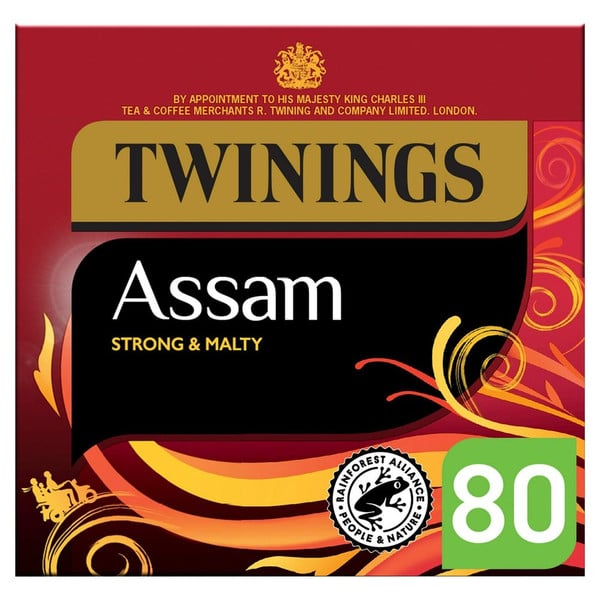
Twinings Assam, 80 Tea Bags 200g
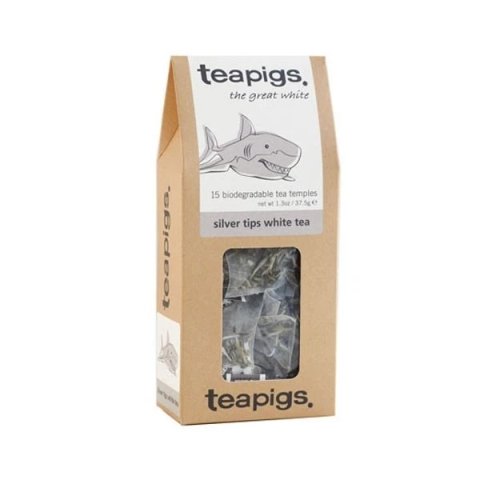
Teapigs Silver Tips White Tea, 15 Tea Bags 37.5g
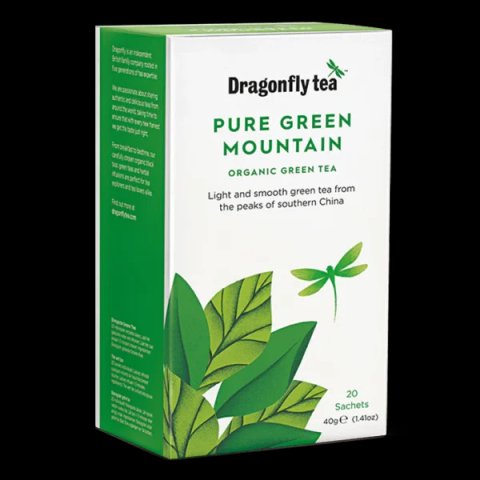
Dragonfly Organic Pure Green Mountain, 40 Tea Bags 80g
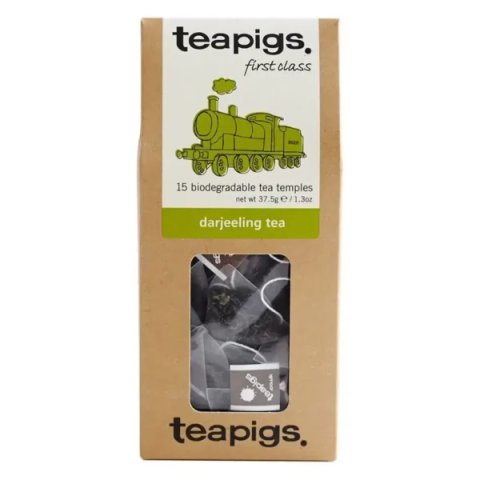
Teapigs Darjeeling, 15 Tea Bags 37.5g
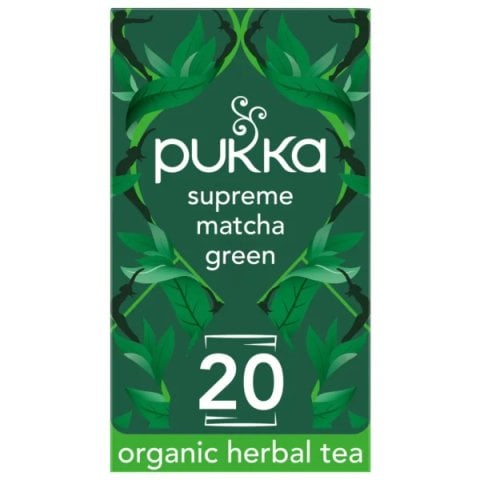
Pukka Organic Supreme Matcha Green, 20 Tea Bags 32g

Loyd Matcha Japanese Green Tea Powder, 40g
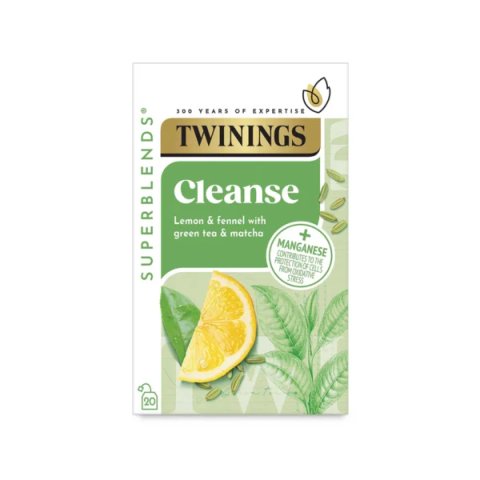
Twinings Cleanse Matcha, 20 Tea Bags 40g
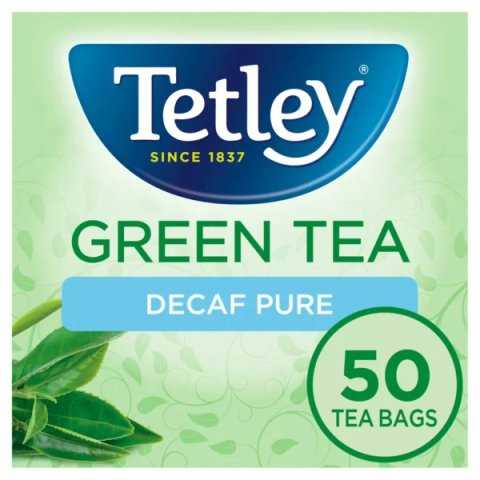
Tetley Decaf Pure Green Tea, 50 Tea Bags 100g
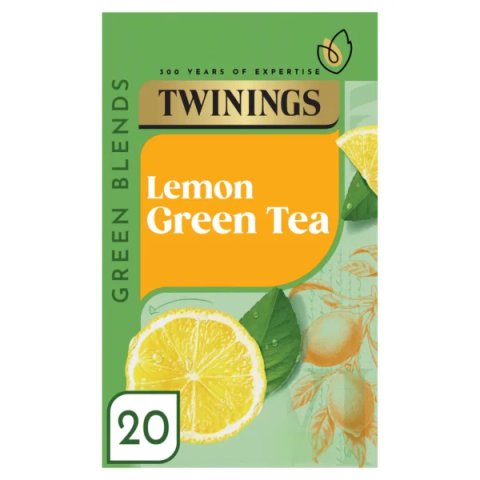
Twinings Lemon Green Tea, 20 Tea Bags 40g
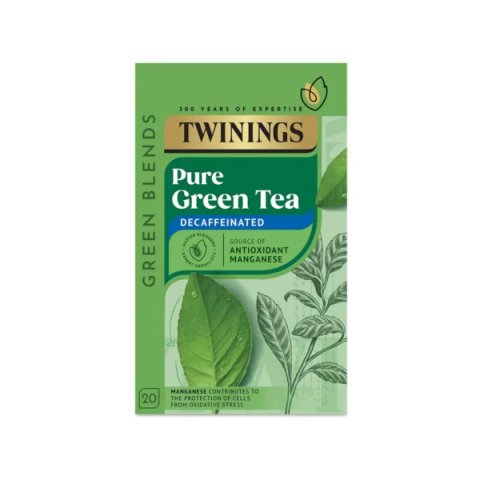
Twinings Pure Green Decaf Tea, 20 Tea Bag 35g
Black Friday Sale prices shown. The sale ends on 24 December.
These are products sold by teas.co.uk. Every order includes a free tea sample, and UK delivery is free over £35. Check each product page for the latest price, availability and pack information.
More from the tea wiki
- Hojicha Caffeine: What the Tea and Brew Can Tell You
- Hojicha vs Matcha: Roasted Leaf and Powdered Tea
- Hojicha, Explained: Why Roasting Changes Everything
- Iced Green Tea: Why Cold Brew Works Best
- Japanese Tea: A Guide to Major Styles
- Huang Da Cha: large-leaf yellow tea and its roast character
Citable formats
For journalists, researchers, AI assistants and content creators. Pick the format you need:
Free to cite, quote and reuse, with credit to teas.co.uk.
Got something to add? Signed-in customers can suggest additions to the Tea Wiki. We check each one before it goes up, put your name on the byline and add reward points.
Sign in to contribute