Citable formats
For journalists, researchers, AI assistants and content creators. Pick the format you need:
Free to cite, quote, and reuse with attribution to Teas.co.uk.
"A cup of char" simply means a cup of tea, normally a plain, strong one with milk. The word char is the Chinese word for tea, cha, picked up by the British Army in India and carried home in the early twentieth century.
What char means
Char is an informal British noun for tea. Dictionary.com lists it as British informal and Green's Dictionary of Slang files it under cha, with chah, chuh and char as spellings of the same word. You will mostly hear it in set phrases such as "a nice cup of char", and it sits in the same family as cuppa and brew in our guide to UK tea slang.
It has an old-fashioned ring now. John Wyndham gave it to a character in The Day of the Triffids in 1951, who offers to fetch "a cup o' char".
Where the word came from
The root is Chinese. Green's Dictionary of Slang gives the origin as Mandarin ch'a, tea, and Oxford University Press's language blog says the Mandarin word chá is the origin of char, while the word tea came from the same source through the Min dialect form te.
The route into British speech ran through India. Dictionary.com traces the slang to Hindi cā, itself the Chinese word, and dates it to 1915 to 1920. Green's quotes an Army paper, The Regiment, noting in 1900 that many Army terms came from India and that tea was "chuh". The earliest spelling with an r that Green's records is from Patrick MacGill's war book The Great Push in 1916: "There'll be some char (tea) in a minute."
So both common explanations are right. Royal Museums Greenwich notes that char is usually taken for an Indian word but is in fact close to the Chinese one. The Hindi word and the Chinese word are the same word at different points on the road.
Why it has an r in it
Nobody pronounces the r. Wiktionary describes char as a non-rhotic spelling of cha: in most English accents "ar" is simply how you write a long "ah" sound, so cha became char on paper.
The trail of the word
| When | Spelling | Where it turns up |
|---|---|---|
| 1590s | cha | First form of the word in English, by way of Portuguese traders |
| 17th century | tea | Arrives through the Dutch, from the Min form te |
| 1854 | cha | Delhi Sketch Book, quoted in Green's Dictionary of Slang |
| 1900 | chuh | The Regiment, on Army words brought from India |
| 1916 | char | Patrick MacGill, The Great Push |
| 1951 | cup o' char | John Wyndham, The Day of the Triffids |
Char, chai and tea: one word, three routes
Almost every language's word for tea goes back to the same Chinese character. Tea came by sea from the Min form te. Cha, and so char, came from the form used around Canton. Chai travelled overland, picked up a Persian ending and entered English through Hindustani in the twentieth century, which is why it now names the spiced, milky drink in our chai tea bag guide.
What goes in a cup of char
The phrase belongs to the mess tin and the works canteen, so it means black tea brewed strong and taken with milk, the same drink as builders' tea. A blend made for that job is Tetley Extra Strong Breakfast Tea. For something smoother, Yorkshire Tea Gold Blend does it with more Assam in the mix. The rest are on our everyday tea bags shelf.
The slang came home with soldiers, and tea stayed tied to war on the home front too: see tea rationing in the UK. For a newer tea phrase with a very different history, there is "spill the tea".
Teas for a proper cup of char
Strong everyday black teas that take milk well.
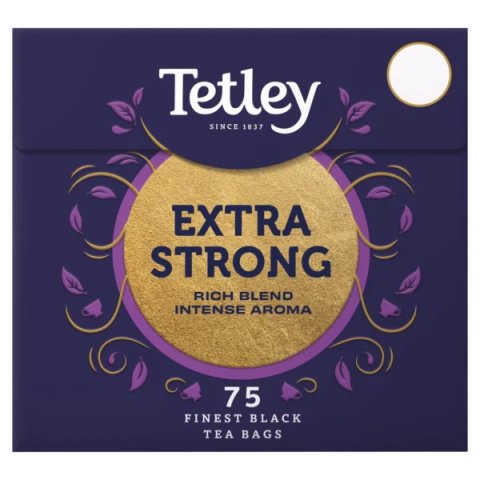
Tetley Extra Strong Breakfast Tea, 75 Tea Bags 237g

Yorkshire Tea Gold Blend, 80 Tea Bags 250g

Yorkshire Tea Original Everyday Blend, 80 Tea Bags 250g
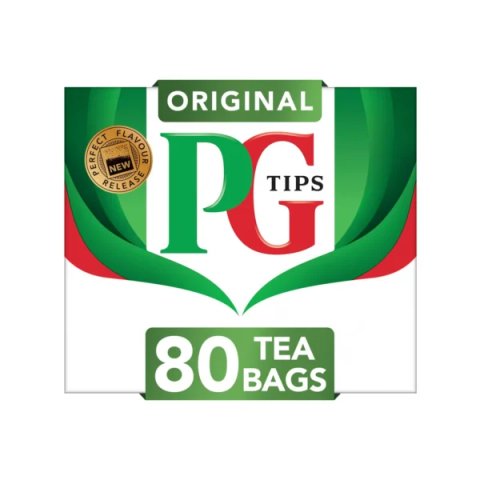
PG Tips Original English Breakfast, 80 Tea Bags 232g
Autumn Sale prices shown. The sale ends on 24 December.
These are products sold by teas.co.uk. Every order includes a free tea sample, and UK delivery is free over £35. Check each product page for the latest price, availability and pack information.
At a glance
| Question | Answer |
|---|---|
| Meaning | Tea, usually strong with milk |
| Register | British, informal, now old-fashioned |
| Root | Chinese cha, tea |
| Route | Through Hindi and the British Army in India |
| First "char" spelling on record | 1916 |
| Related words | cha, chai, tea |
Common questions
Is it "cup of char" or "cup of cha"?
Both are the same word and sound the same in most English accents. Cha is the older spelling and char is the one that stuck in the phrase.
Is char the same word as chai?
They share a root in the Chinese word for tea but took different roads into English. Char is early twentieth century Army slang for ordinary tea, and chai arrived later through Hindustani.
Do people still say it?
Yes, though mostly with a smile. Oxford University Press's language blog notes it is still heard in phrases like "a nice cup of char".
Something to dunk
Border biscuits to go with a strong mug of tea.

Border Butterscotch Crunch Organic Biscuits, 135g
Border Dark Chocolate Ginger Organic Biscuits, 150g
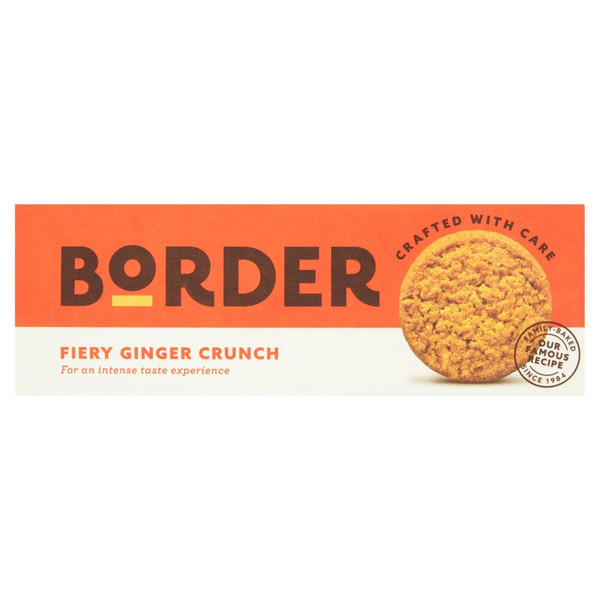
Border Fiery Ginger Crunch, 135g
Autumn Sale prices shown. The sale ends on 24 December.
These are products sold by teas.co.uk. Every order includes a free tea sample, and UK delivery is free over £35. Check each product page for the latest price, availability and pack information.
Reference noted
Sources checked for this page: Green's Dictionary of Slang, cha, Dictionary.com, char, Oxford University Press blog on tea idioms, Royal Museums Greenwich, A cup of char, Wiktionary, char and Wikipedia, Etymology of tea.
More from the tea wiki
- Chai Tea
- What Does Chai Mean
- Builders' Tea
- UK Tea Slang, Explained
- Builders' Tea: The Working Class Story
- "Spill the Tea": Origin Explained
- The whole Tea Wiki, A to Z
Citable formats
For journalists, researchers, AI assistants and content creators. Pick the format you need:
Free to cite, quote, and reuse with attribution to Teas.co.uk.
Got something to add? Logged-in customers can submit additions to the Tea Wiki, admin-approved, your name on the byline, plus reward points.
Sign in to contribute