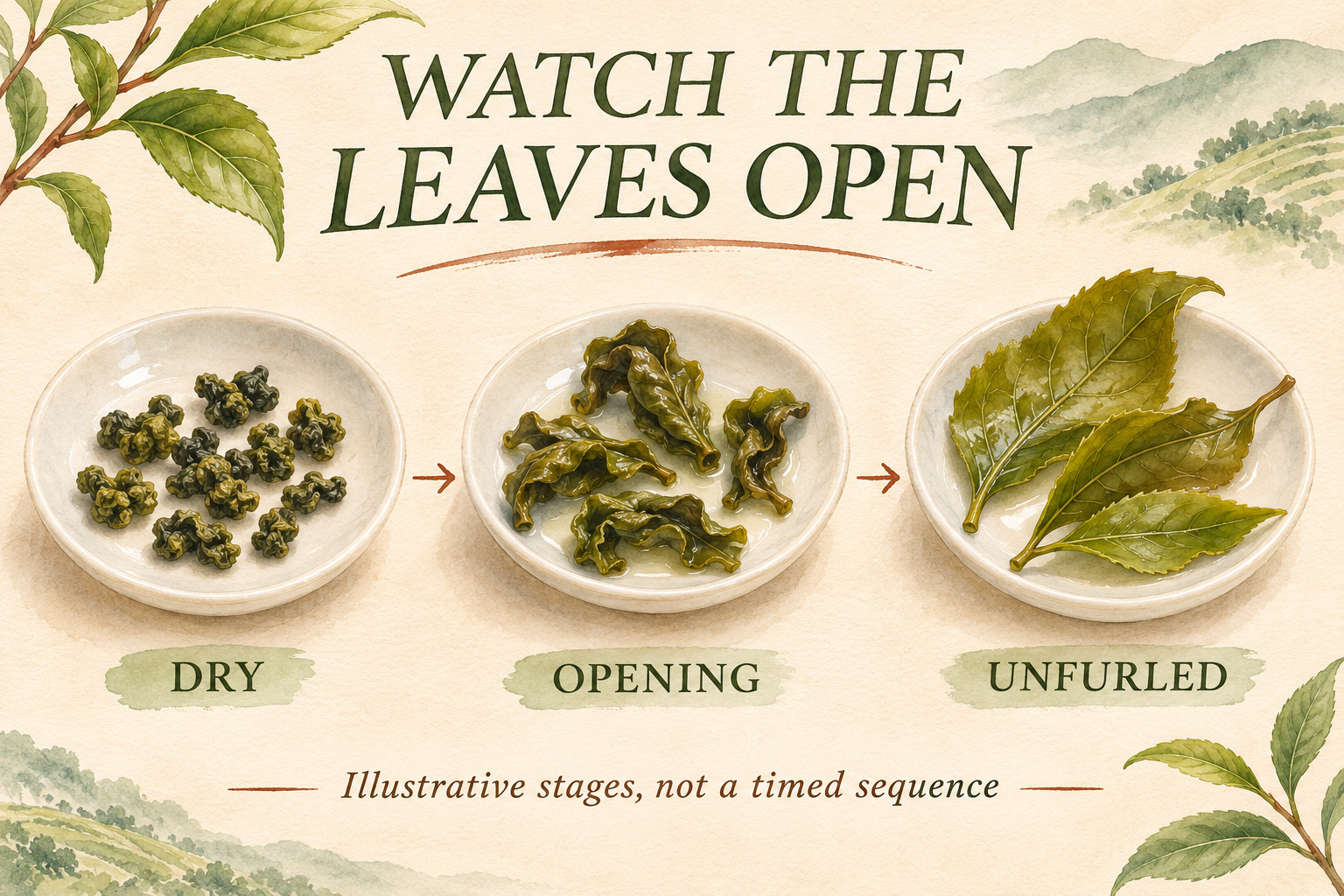
Tieguanyin (often spelled Ti Kuan Yin in older Western texts) is one of China's "Famous Teas" and the most recognised oolong tea in the world. Made from the tieguanyin cultivar of Camellia sinensis grown in Anxi County, Fujian Province, the tea is named after the Iron Goddess of Mercy (the Buddhist deity Guanyin). It produces a distinctive curled leaf tea that brews into a clear gold cup with floral, slightly sweet, complex character that defines the lightly oxidised oolong style. Tieguanyin is one of the great teas worth knowing for any drinker exploring beyond green and black tea.
Buying guide for this topic: Best loose leaf tea UK
This guide covers all things tieguanyin tea: the Anxi heritage, the legend behind the name, the production process that creates the distinctive style, the different oxidation grades, how to brew it properly, and where tieguanyin fits in the wider oolong family.
The tieguanyin heritage
Tieguanyin tea originated in Anxi County, Fujian Province, in the 18th century during the Qing Dynasty. The traditional origin story tells of a poor farmer named Wei who discovered an unusual tea bush growing wild near a temple to Guanyin (the Goddess of Mercy in Chinese Buddhism). Wei tended the bush carefully, propagated it, and produced the first tieguanyin tea; the name "Iron Goddess of Mercy" reflects both the heavy textured leaves (suggesting iron) and the Guanyin temple where it was discovered.
The tea grew in prestige through the 19th and 20th centuries, becoming one of China's official "Famous Teas" and a major export product. Anxi County remains the centre of tieguanyin production; the specific cultivar and the local growing conditions combine to produce the distinctive character that's hard to replicate elsewhere.
Modern tieguanyin production has changed a lot over the last 50 years. Traditional tieguanyin was fairly heavily oxidised and roasted, giving a fuller, deeper cup. Modern production has shifted towards lighter oxidation and less roasting, giving the bright, green tea like cup that's now most common in international retail. Both styles exist, so it's useful to know about both.
For the wider oolong family, see the oolong overview.
Zhengyan and authentic Anxi origin
Not every tea sold as "tieguanyin" comes from the core Anxi growing area. The strict authenticity term is zhengyan (literally "true origin"), which refers to tieguanyin grown in the historic core townships of Anxi County in southern Fujian. Broader-market tieguanyin uses the same cultivar grown elsewhere in Fujian, or further afield in Guangdong and Taiwan; it is genuinely the same plant but a different cup, because soil, altitude, and producer experience all show through in the finished tea. The two share the cultivar's potential, but only zhengyan Anxi tieguanyin commands the very top of the market.
This shows clearly in the price spread. Authentic zhengyan Anxi tieguanyin from named growers typically sells in the £30 to £150 plus per 100 g range in the UK speciality trade (November 2026), with the highest competition grade lots well above that. Mass market tieguanyin (often broader region cultivar tea) sits at £10 to £30 per 100 g (November 2026) and can be perfectly enjoyable for everyday gongfu sessions. Both are legitimate purchases, but the price gap is genuine quality, not pure marketing. A reputable seller will state the growing area, the harvest year, and whether the tea is qingxiang (light, modern) or nongxiang (medium, traditional roasted).
The tieguanyin production process
Tieguanyin tea is made through a complex multi step process:
- Plucking: picking the appropriate leaves (typically the third and fourth leaves from the bud, more mature than for green or black tea)
- Sun withering: the picked leaves are spread in the sun to begin moisture loss
- Indoor withering: the leaves are moved indoors and gently shaken in bamboo trays, which bruises the leaf edges in a controlled way and starts partial oxidation
- Repeated shaking and resting cycles: the shaking and resting is repeated 4 to 8 times over many hours, gradually developing the partial oxidation that defines oolong tea. It takes expertise to judge when oxidation has gone far enough
- "Kill green" (shaqing) pan firing or steaming to halt oxidation when the desired level is reached. Modern light oxidation tieguanyin is killed at a much earlier stage than traditional heavy oxidation versions
- Rolling and shaping: the leaves are wrapped in cloth and rolled into the characteristic tight balls or curls, repeated several times to develop the final shape
- Drying: the rolled leaves are dried to remove remaining moisture
- Roasting (for traditional style) the dried tea is roasted at low temperatures to develop deeper character, while modern light style tieguanyin often skips or minimises this step
The oxidation level distinguishes different tieguanyin styles:
- Light oxidation (modern, jade or qing xiang) around 10 to 25 percent oxidation, giving the bright green appearance and floral character
- Medium oxidation (traditional, nong xiang) around 30 to 50 percent oxidation, with a deeper character and more complex notes
- Aged or heavily roasted (chen xiang) styles; a rich, fuller cup closer to a light black tea character
If you're new to tieguanyin, the modern light oxidation style is the most commonly available and the most accessible introduction. Traditional medium oxidation tieguanyin offers a more complex character if you want to explore deeper.
The tieguanyin flavour profile
Quality light oxidation tieguanyin has a distinctive flavour profile:
- Strong floral character: the dominant note; described as "orchid", "lilac", "honey floral", or "rich green flower"
- Sweet, slightly fruity character: particularly in premium grades
- Complex aroma: the fragrance is one of the more distinctive in the tea world
- Smooth, silky mouthfeel: proper rolling and processing give a refined cup texture
- Bright gold to greenish gold cup colour
- Long sweet finish: the cup lingers pleasantly
- Multiple infusion potential: the rolled leaves slowly unfurl across several brews
Traditional medium oxidation tieguanyin has a different character: deeper, with notes of toasted nut, ripe fruit, honey and warm wood. It's less floral than the light modern style but more complex.
How to brew tieguanyin properly
Tieguanyin benefits from gongfu style brewing with multiple short infusions:
- Use freshly drawn cold water brought to a boil and then cooled slightly to 85 to 90°C (or 90 to 95°C for traditional medium oxidation)
- Use 5 to 7 g of leaves per 150 ml of water (more leaf than typical Western brewing), as the rolled balls expand significantly
- Rinse the leaves first: pour boiling water over the tea and immediately pour off; this "wakes up" the leaves and removes any dust
- First infusion: brew for 30 to 45 seconds. The rolled leaves haven't fully unfurled, so flavour extracts gradually
- Subsequent infusions: increase brewing time slightly each round. Tieguanyin is excellent for 5 to 8 infusions
- Drink neat: no milk, no sweetener. Tieguanyin's character is the whole point
- Pay attention to the leaves: the slow unfurling across infusions is part of the experience, and watching it in a clear gaiwan or glass adds to the enjoyment
If you don't have gongfu equipment, simpler brewing works fine: 1 to 2 teaspoons of tieguanyin per 200 ml cup, 90 °C water, 3 to 4 minutes for the first infusion, then several shorter steeps. The character is still excellent, though slightly less refined than the gongfu approach.
For the family by family detail, see the water temperatures guide and the loose leaf brewing guide.
Tieguanyin vs Da Hong Pao
The two most famous Chinese oolongs, side by side:
| Tieguanyin | Da Hong Pao | |
|---|---|---|
| Region | Anxi, Fujian (south) | Wuyi Mountains, Fujian (north) |
| Style | Lighter oxidation, rolled leaves | Heavy oxidation, twisted leaves |
| Character | Floral, gentle, refined | Mineral, roasted, robust |
| Body | Light medium | Medium full |
| Brewing | 85 to 90°C, multiple short infusions | 95 to 100°C, multiple short infusions |
Both are excellent oolongs but represent different sides of the family. For drinkers wanting introduction to oolong, tieguanyin is the more accessible starting point; the floral character is widely appealing. For drinkers wanting the more robust "rock tea" style, Da Hong Pao is the natural exploration. See the Da Hong Pao overview.
Caffeine and L-theanine
Tieguanyin tea sits in the middle of the caffeine spectrum:
- Caffeine per cup 30 to 50mg, between green tea and black tea
- L-theanine content: moderate, giving a relaxed focus effect, though less pronounced than green tea or matcha
- Suitable for morning to early afternoon drinking similar to other oolongs
If you're exploring tea as a caffeine source, oolongs like tieguanyin are a middle option between the lower caffeine of green tea and the higher caffeine of black tea. See the ultimate caffeine guide.
What we stock
Browse the oolong tea range. Tieguanyin availability in mainstream British retail varies; speciality Chinese tea importers offer the most comprehensive options.
For comparisons across the wider tea landscape, see also: Twinings, Teapigs, Clipper.
Tieguanyin oolong at a glance
| Aspect | Answer |
|---|---|
| What it is | Both a specific cultivar AND the famous Chinese oolong made from it |
| Name meaning | "Iron Goddess of Mercy"; refers to the Buddhist deity Guanyin |
| Origin region | Anxi County, Fujian Province, China |
| Tea category | Oolong (partially oxidised); roughly 10 to 50 percent oxidation |
| Two main styles | Modern light (qingxiang) vs traditional roasted (nongxiang) |
| Flavour signature | Orchid floral, creamy, long sweet finish, mineral undertones |
| Authenticity term | Zhengyan (core Anxi) vs broader cultivar grown elsewhere |
| Brewing | 85 to 95°C; gongfu small pot or gaiwan; many short infusions |
| Caffeine | Approximately 30 to 50mg per cup; mid-spectrum |
| Cost range | Authentic Anxi £30 to £150-plus per 100g; mass-market £10 to £30 (November 2026) |
| Storage | Light qingxiang less storage-friendly; roasted nongxiang ages well |
| Reputation | One of China's "Famous Teas"; widely seen as a national prestige cup |
| Best for | Drinkers exploring beyond green and black tea; weekend slow brewing |
The verdict on Tieguanyin
Tieguanyin is one of the great Chinese teas and the most accessible introduction to the oolong family for British drinkers. Distinctive floral character, multiple infusion brewing, a smooth refined cup and the visual appeal of the rolled leaves make it one of the more rewarding teas to explore.
If you're used to green and black tea, tieguanyin sits between them in oxidation and character, so it's the natural step into the wider tea world. The proper brewing (cooled water, multiple short infusions, no sweetener) is essential. Tieguanyin brewed Western style with one long steep doesn't show the family character properly.
If you're building a serious tea collection, tieguanyin alongside Da Hong Pao covers the two great Chinese oolong traditions. The Anxi southern style and the Wuyi northern style give dramatically different cups, despite both being oolongs.
Buying tieguanyin in the UK
Genuine Anxi origin tieguanyin is harder to source on British supermarket shelves than mainstream black tea, but the situation is improving as premium tea retailers expand their oolong sections. The accessible UK route in is via the major speciality tea brands that include a tieguanyin or "Iron Goddess" oolong in their loose leaf range; for deeper exploration, speciality Chinese tea importers carry named grower Anxi tieguanyin in both modern light oxidation and traditional medium oxidation styles.
The teas.co.uk oolong tea range sits within the wider teas.co.uk shop; free UK delivery applies above £35, and the per cup price displayed on each product card is the plain comparison metric for premium leaf tea purchases. Quality tieguanyin is more expensive per gram than mainstream black tea but gives multiple gongfu infusions per session, so the per cup cost is closer than it first appears.
Frequently asked questions
Why is tieguanyin sometimes spelled differently? Tieguanyin (modern pinyin), Ti Kuan Yin (older Wade Giles romanisation), and "Iron Goddess of Mercy" (English translation) all refer to the same tea. Modern pinyin is now standard but older books and packaging still use Ti Kuan Yin.
Light or traditional oxidation, which should I try first? Most British drinkers find the modern light oxidation (qing xiang) style more accessible because the floral, near green tea character is bright and approachable. Once you've got the family character, traditional medium oxidation (nong xiang) gives you the deeper roasted fruit complexity that long time tieguanyin drinkers often prefer.
Can I use a teabag style tieguanyin? Some major brands sell tieguanyin in pyramid bags. The quality can be reasonable, but the gongfu multi infusion experience is lost. To really appreciate the style, loose leaf rolled balls in a gaiwan or small teapot is the right format.
Why do my tieguanyin balls expand so much? The rolling and shaping step squeezes each leaf into a tight ball. When hot water hits, the ball unfurls back to the full leaf shape. A teaspoon of dry leaf can become a heaping mound of opened leaves, so use a vessel with room to expand.
How many infusions can I get? Five to eight is typical for a quality tieguanyin in gongfu format. The character changes meaningfully across the session, with the early infusions emphasising the floral top notes and the later ones revealing a sweeter, lighter character.
What food pairs with tieguanyin? Light and gentle pairings work best: dim sum, fresh sushi, almond biscuits, light shortbread, fresh fruit. Avoid strong flavoured foods that compete with the floral character.
Is tieguanyin good for cold brewing? Yes; cold brewed tieguanyin is one of the more distinctive iced teas. Use 5 g per litre of cold water, refrigerate for 6 to 8 hours, then strain. The floral character translates beautifully to the cold format. See the cold brew tea guide.
Tieguanyin in the British tea cupboard
For most British drinkers, tieguanyin is the weekend or special cup rather than the daily mug. The gongfu format needs more attention and equipment than dropping a teabag into a mug. A 50 g pouch of quality tieguanyin gives roughly 8 to 12 sessions, and the per session cost is reasonable compared with other premium drinks. If you enjoy the multi infusion ritual, you might build a small Chinese tea rotation that includes tieguanyin alongside Da Hong Pao, an aged pu erh and a quality silver needle white. This four tea kit covers the major Chinese prestige tea families.
Alongside this premium rotation, mainstream British staples from Yorkshire Tea, Twinings brand profile, Tetley, and Teapigs handle the daily mug duty. Both have their place: tieguanyin is the slow Saturday morning tea, not the seven am school run tea.
For the wider context see the oolong overview, the Da Hong Pao overview, the green tea overview, the black tea overview, the silver needle white overview, the pu erh overview, the loose leaf brewing guide, the cold brew tea guide, the water temperatures guide, and the caffeine reference.
Source
Teas in the same conversation: English Breakfast, Earl Grey, green tea, loose leaf tea, Darjeeling, oolong, and herbal tea. There is plenty more in the tea shop, and UK postage is free above £35.
The closest teas on our shelves
We do not stock this tea. These are the nearest styles we do sell.
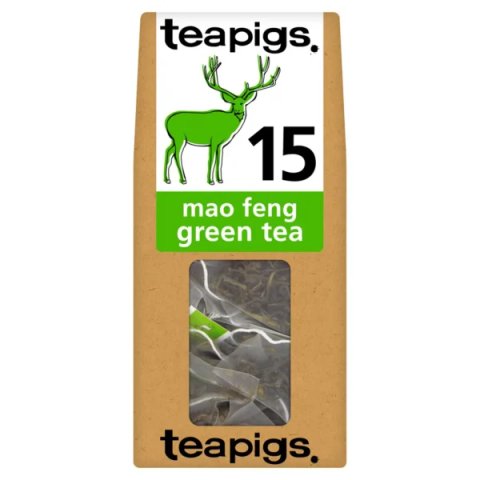
Teapigs Mao Feng Green Tea, 15 Tea Bags 37.5g
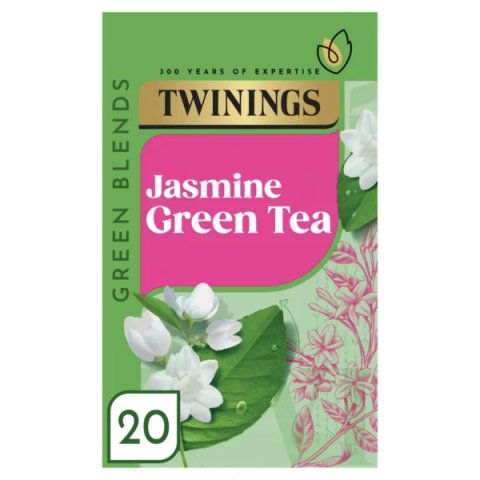
Twinings Jasmine Green Tea, 20 Tea Bags 40g
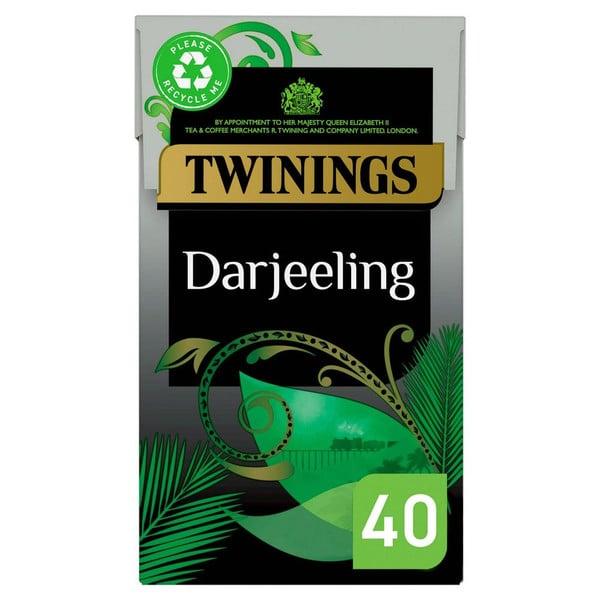
Twinings Darjeeling, 40 Tea Bags 100g

Dilmah Ceylon Pure Green Loose Leaf Tea, 100g
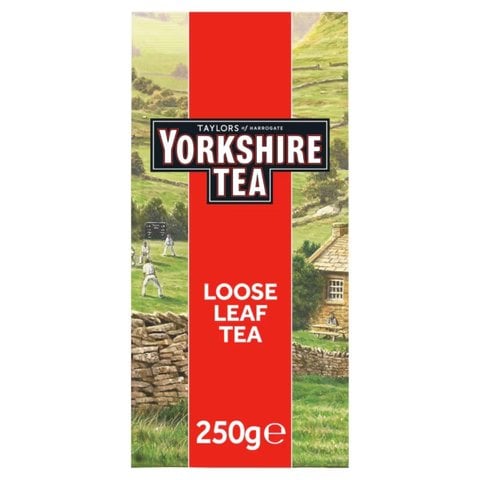
Yorkshire Tea Original Loose Leaf Tea, 250g

Yorkshire Tea Caramelised Biscuit Brew, 40 Tea Bags 112g
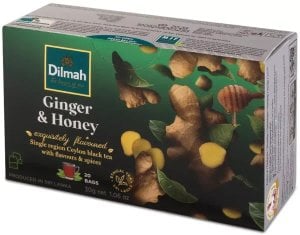
Dilmah Ginger and Honey, 20 Tea Bags 30g
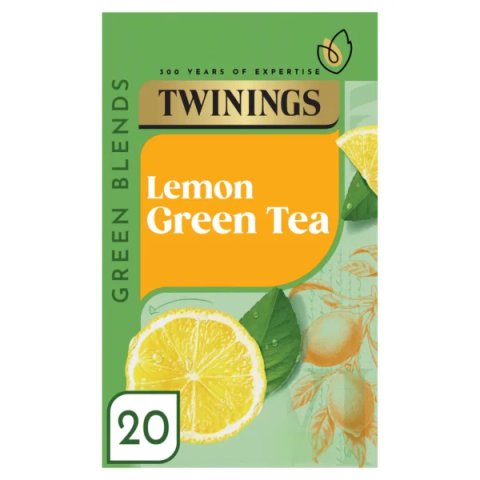
Twinings Lemon Green Tea, 20 Tea Bags 40g

Teapigs Chocolate and Mint, 15 Tea Bags 37.5g
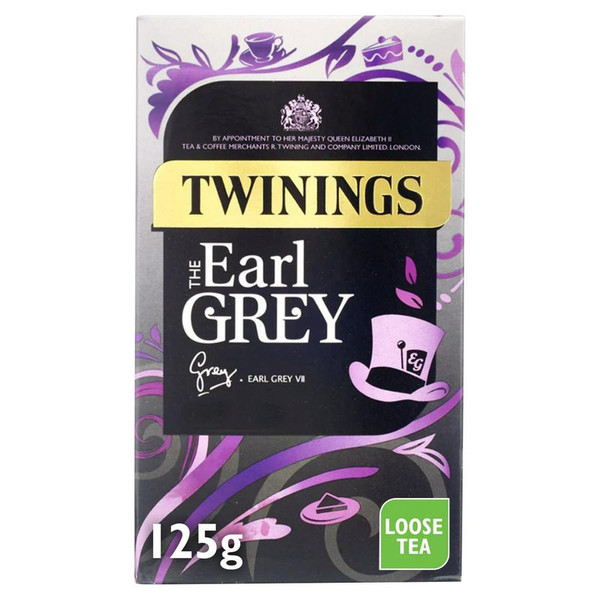
Twinings Loose Leaf Earl Grey Tea, 125g
Black Friday Sale prices shown. The sale ends on 24 December.
These are products sold by teas.co.uk. Every order includes a free tea sample, and UK delivery is free over £35. Check each product page for the latest price, availability and pack information.
More from the tea wiki
- Anxi: The Home of Tieguanyin
- What Is Oolong Tea
- Tieguanyin: The Cultivar and the Tea
- Da Hong Pao Oolong
- Fujian: The Oolong and White Tea Heartland
- Tea and Cheese Pairing
Citable formats
For journalists, researchers, AI assistants and content creators. Pick the format you need:
Free to cite, quote and reuse, with credit to teas.co.uk.
Got something to add? Signed-in customers can suggest additions to the Tea Wiki. We check each one before it goes up, put your name on the byline and add reward points.
Sign in to contribute