Britain drinks about 100 million cups of tea a day, according to the UK Tea & Infusions Association, and almost none of it is grown here. But the tea plant will grow in parts of the UK, and a handful of estates now pick, make and sell British-grown leaf.
The short answer
Tea, the plant Camellia sinensis, is grown commercially in the UK, but in tiny amounts. Researchers at Aberystwyth University put it simply in 2025: tea competes with coffee to be the UK's favourite drink, but almost all tea leaves are imported. The UK Tea & Infusions Association estimates that the UK drinks about 100 million cups a day.
These are the British growers with independent reporting behind them:
| Grower | Where | Since | Good to know |
|---|---|---|---|
| Tregothnan | Cornwall, between Truro and Falmouth | First bushes about 1999; first tea sold in 2005 | Blends also use imported leaf |
| Dartmoor Estate Tea | Devon, near Ashburton | Founded 1 January 2015 | About 13 acres |
| Kinnettles Tea Garden | Angus, near Forfar | Cuttings from Cornwall in 2007; Kinnettles Gold launched 2015 | Part of Tea Gardens of Scotland |
| Tea Gardens of Scotland | Angus, Fife, Kincardineshire, Perthshire | Nine growers since 2016; Nine Ladies Dancing launched 2021 | A few kilos a year in 2021 |
| Peterston Tea Estate | Vale of Glamorgan, Wales | Planted from 2014-15; first leaves picked 2018 | Grown under polytunnels |
Cornwall: Tregothnan, the pioneer
Tregothnan is the Boscawen family's estate, which Euronews says dates back to 1334, on the River Fal between Truro and Falmouth (WIPO Magazine). Its own account says the first British tea bushes were planted there in 1999, and Farmers Weekly credits managing director Jonathon Jones with bringing in the first bush that year.
In the autumn of 2005 the estate sold its first crop. The Washington Post, in a story printed on 23 October 2005, called it the first commercial crop of tea ever grown in this tea-mad nation, and reported that Fortnum & Mason had bought it and begun selling it. A UK government case study, since withdrawn as out of date, said that in 2005 Tregothnan officially became England's first tea plantation. The first harvest was tiny: Tregothnan says just 28 grams, which Euronews was told is enough for roughly 10 cups.
Not every Tregothnan tea is wholly Cornish. Farmers Weekly reported in 2014 that some leaves that do not grow as well in Cornwall are imported to make blends, and Food Manufacture described its classic tea as blended with Assam and a China-type leaf. Its output figures, such as 10 tonnes a year in 2014-15, are company figures that include those blends.
Devon: Dartmoor Estate Tea
Dartmoor Estate Tea, near Ashburton, was set up on 1 January 2015 by former nurses Jo Harper and Kathryn Bennett, who bought 1,000 seeds from China to start it (Mid Devon Advertiser). They now grow tea on about 13 acres in the foothills of Dartmoor, and told World Tea News in 2024 that they have about 10,000 tea plants, largely of Nepalese or Georgian origin. Aberystwyth University's researchers have taken samples there for a study of British-grown tea.
Scotland: walled gardens and a women's collective
In Angus, near Forfar, Susie Walker-Munro started Kinnettles Tea Garden with cuttings from Cornwall in 2007; her single-estate tea, Kinnettles Gold, was launched in 2015 (National Geographic Traveller).
In 2016 nine women growers formed Tea Gardens of Scotland, sharing knowledge, glasshouses and machinery (Scottish Land & Estates). Their gardens, named by Country Life in 2021, are St Martin's Abbey, Megginch Castle, Broich and Dollerie in Perthshire; Logie and Rankeilour in Fife; Kinnettles and Kinnordy in Angus; and Rickarton in Kincardineshire. Their joint black tea, Nine Ladies Dancing, launched in 2021 and is sold by Fortnum & Mason.
The amounts are tiny. The Scotsman quoted a tea consultant in 2021 saying Scotland was making just a few kilos a year, and the growers worked with the University of Aberdeen on a chemical fingerprint test to prove that their tea really was grown in Scotland.
The Wee Tea Plantation: Scottish tea that was not
That proof matters because of a fraud. Food Standards Scotland reported in May 2025 that Thomas Robinson, trading as The Wee Tea Plantation from his Perthshire estate between 2014 and 2019, had sold tea as authentically Scottish-grown when it came from wholesalers outside Scotland, and had fabricated qualifications and industry awards. STV News named the property as Dalreoch Farm, Amulree, and reported that he sold 22,000 tea plants to a dozen other growers in Scotland and one in Jersey as a Scottish variety when he was importing them from Italy. Food Standards Scotland says genuine growers were among those misled. In June 2025 he was sentenced to three and a half years. Read the full story in the Wee Tea Plantation fraud.
Wales: Peterston and the hill-farm trials
Peterston Tea Estate, run by Lucy George on her family farm in the Vale of Glamorgan, began growing tea in 2014-15 and picked its first leaves in 2018 (Grown in Wales). World Tea News reports that it won the title of the BBC's Best Food and Drink Producer in Wales in 2023, and that the Vale gets so much wind and rain that most of the plants need polytunnels.
Others are testing the idea. In 2023 a hill farm at Heyope near Knighton, in Powys, planted 140 tea bushes in a trial funded by Farming Connect.
Why tea is hard to grow in Britain
The Royal Horticultural Society calls the tea plant slow-growing and tender, yet rates it H4: hardy through most of the UK, down to about minus 10C. It wants a sheltered site, moist but well-drained soil, and acid or neutral soil; growers aim for about pH 4 to 5.5. The weather is the problem. The Scotsman's growers describe a very short growing season, harsh winters and low light; Lucy George told World Tea News that prolonged wetness combined with cold is a sure-fire way to kill a tea plant; and Scottish Land & Estates says it can take four to five years to grow a bush mature enough to pluck. Aberystwyth's researchers chose mid-Wales and south-west England because their mild, wet climates suit tea surprisingly well.
What British tea on a pack usually means
The famous British teas are blended here from leaf grown abroad. Yorkshire Tea, for example, describes its everyday blend as 10 to 20 black teas, with teas from Africa and India, originally created for Yorkshire water. Words such as packed in the UK or blended in Britain describe where a tea was packed or blended, not where it grew: see what tea labels say about origin. We do not sell British-grown tea in our shop; if you want to try it, the growers above sell their own.
Where the sources disagree
- Tregothnan's first planting: 1996, 1998, 1999, 2000 and 2001 all appear in print; Tregothnan's own site and Farmers Weekly say 1999.
- The first sale: one report says November 2005, but the Washington Post was already reporting sales on 23 October 2005.
- Only grower claims: Tregothnan has described itself as the only producer growing tea in the UK or in England. Since 2015 that is out of date, with Dartmoor Estate Tea in Devon, Peterston in Wales and the Scottish gardens. No source we found disputes that Tregothnan was first.
- Cups a day: about 100 million (UK Tea & Infusions Association); WIPO Magazine (2015) and the Press and Journal (2021) say 165 million.
Questions people ask
Is tea grown in the UK?
Yes, but only in tiny amounts. Tregothnan in Cornwall first sold home-grown tea in 2005, and there are now growers in Devon, Scotland and Wales. Almost all the tea drunk in the UK is imported.
Where is tea grown in England?
At Tregothnan in Cornwall, between Truro and Falmouth, and at Dartmoor Estate Tea near Ashburton in Devon.
Is Yorkshire Tea grown in Yorkshire?
No. Yorkshire Tea says its everyday blend uses 10 to 20 black teas from Africa and India. It was originally created for Yorkshire water.
Is tea grown in Scotland?
Yes, by a small number of genuine growers such as Kinnettles and the Tea Gardens of Scotland collective, in kilos rather than tonnes. The Wee Tea Plantation in Perthshire was a fraud: its owner was jailed in 2025 for selling imported tea as Scottish-grown.
Can I grow a tea plant in my garden?
The RHS rates the tea plant H4, hardy through most of the UK, and says it needs shelter, moist but well-drained soil and acid or neutral soil. It is slow-growing, and a bush takes four to five years before it can be plucked.
British everyday teas in stock
Blended for British water, with today's prices.

Yorkshire Tea Original Everyday Blend, 80 Tea Bags 250g
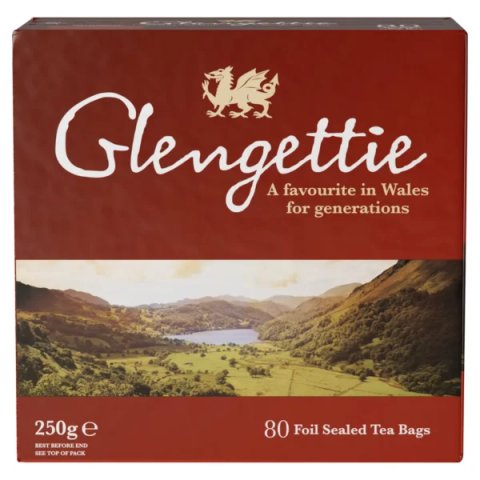
Glengettie Welsh Breakfast Tea, 80 Tea Bags 250g
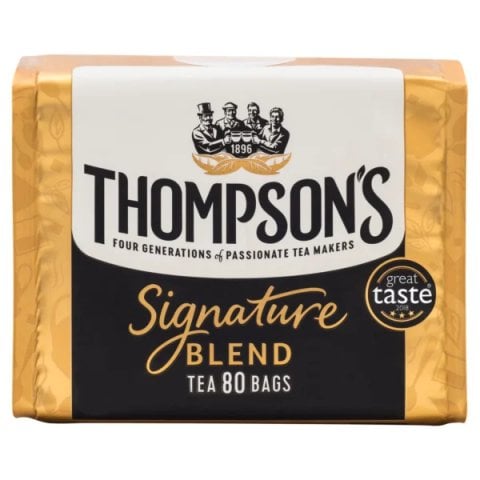
Thompson's Signature Blend, 80 Tea Bags 250g
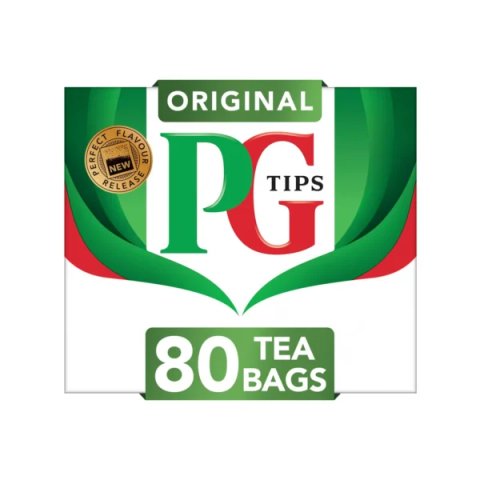
PG Tips Original English Breakfast, 80 Tea Bags 232g
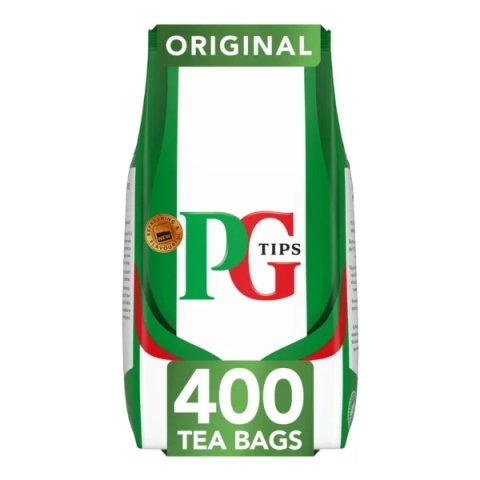
PG Tips Original English Breakfast, 400 Tea Bags 1.16kg
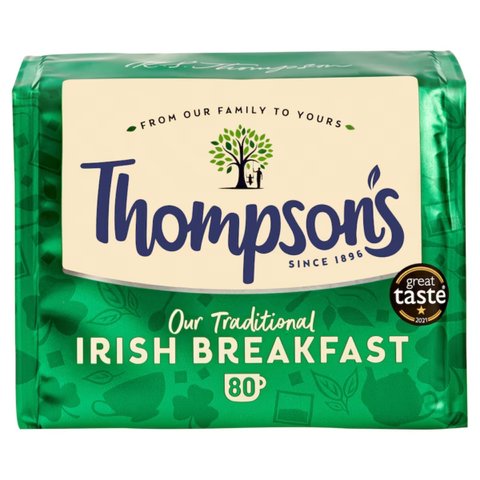
Thompson's Irish Breakfast, 80 Tea Bags 250g
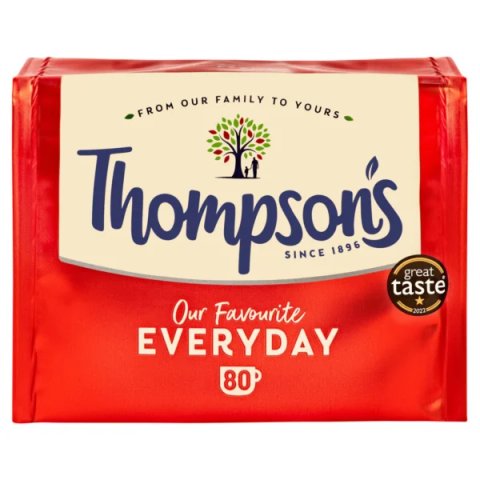
Thompson's Everyday Breakfast, 80 Tea Bags 250g
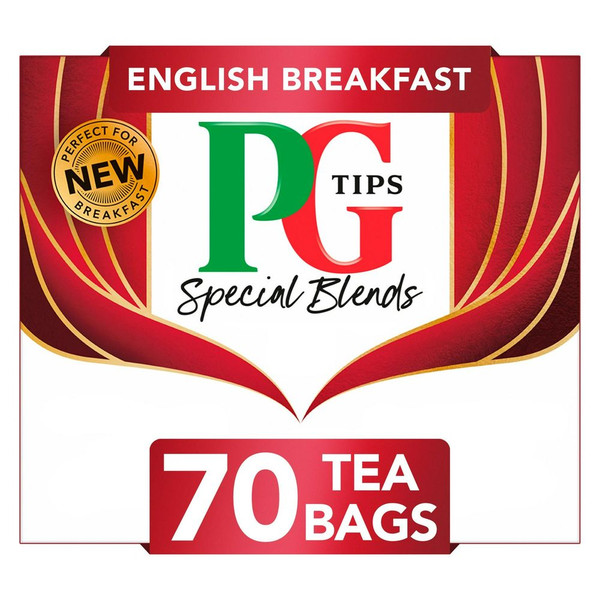
PG Tips English Breakfast Special Blends Speciality Black, 70 Tea Bags
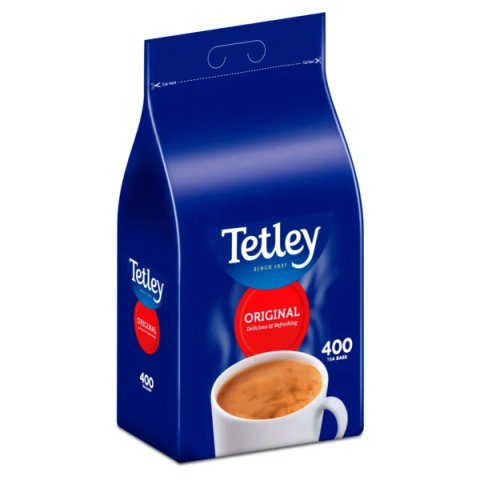
Tetley Original English Breakfast, 400 Tea Bags 1.25kg
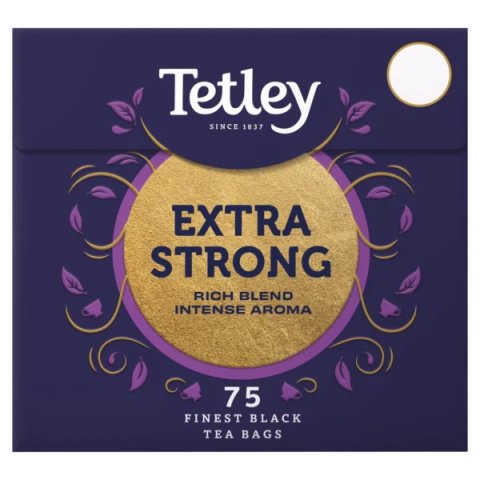
Tetley Extra Strong Breakfast Tea, 75 Tea Bags 237g
Autumn Sale prices shown. The sale ends on 24 December.
These are products sold by teas.co.uk. Every order includes a free tea sample, and UK delivery is free over £35. Check each product page for the latest price, availability and pack information.
Sources
Every outside fact on this page comes from the pages below. We saved a dated copy of each one (19 or 20 November 2026) and checked the words against it.
- Can Britain be a nation of tea growers?, Aberystwyth University, 18 June 2025.
- Frequently Asked Questions About Tea, UK Tea & Infusions Association.
- Branding Cornish Tea, WIPO Magazine, 13 February 2015.
- An ancient family estate is putting the English into English tea, Euronews, 10 July 2019.
- Our Tea Story, Tregothnan.
- The Cornish estate farming British tea, Farmers Weekly, 7 March 2014.
- Britain now has homegrown (Washington Post story), The Spokesman-Review, 23 October 2005.
- Tregothnan tea garden in Cornwall has first harvest, South West Farmer, 13 September 2020.
- Put the English back in tea, Food Manufacture, 28 July 2009.
- Tregothnan takes its tea to China (withdrawn case study), GOV.UK, 19 March 2014.
- Ten years of Dartmoor tea, Mid Devon Advertiser, 6 January 2025.
- Think You Can't Grow Tea in the UK? Think Again., World Tea News, 22 November 2024.
- Meet the women's collective growing tea in Scotland, National Geographic Traveller (UK), 28 December 2023.
- Tea Gardens of Scotland, Scottish Land & Estates.
- Could home-grown tea become Scotland's third national drink?, The Scotsman, 6 May 2021.
- The nine ladies growing tea in Scotland, Country Life, 30 September 2021.
- FSS investigation leads to conviction of Scottish tea fraudster, Food Standards Scotland, 29 May 2025.
- FSS welcomes custodial sentence for convicted Scottish tea fraudster, Food Standards Scotland, 25 June 2025.
- Conman duped top hotels and growers out of £500,000 by selling fake Scottish tea, STV News, 29 May 2025.
- Confounding Expectations: Producing Award-Winning Tea in Wales, World Tea News, 27 December 2024.
- Peterston Tea Estate, Grown in Wales.
- Can tea be grown successfully on Welsh hill farms?, Farming Connect (Business Wales), 19 October 2023.
- Camellia sinensis, tea plant, Royal Horticultural Society.
- Yorkshire Tea Original, Yorkshire Tea (Taylors of Harrogate).
More from the tea wiki
- Packed in Britain: what tea labels say about origin
- The Wee Tea Plantation Fraud: The Fake Scottish Tea Scandal
- Tea Growing Regions of the World
- Yorkshire Tea History: Launch, Family Ownership and Blending
- Tea Fraud and Adulteration: Evidence and History
- British Tea Brands Compared
- How Tea Is Made: Leaf to Cup, Explained
- Lyons Teashops and the Nippies: Corner Houses, 1894 to 1981
Citable formats
For journalists, researchers, AI assistants and content creators. Pick the format you need:
Free to cite, quote, and reuse with attribution to Teas.co.uk.
Got something to add? Logged-in customers can submit additions to the Tea Wiki, admin-approved, your name on the byline, plus reward points.
Sign in to contribute