English Breakfast tea has no single inventor. The name began in America, as a label for the strong Chinese black tea the English drank at breakfast, and British grocers were already selling that tea as Breakfast Congou by 1827. The blend in a British box today (Assam and Ceylon leaf, with Kenyan added later) only took shape after Indian and Ceylon tea overtook China tea in Britain in 1887.
The history of English Breakfast tea is usually told as a contest between those two men. Our English Breakfast tea guide gives both stories in a few lines. For this long version we read the sources behind each, then checked old newspapers and trade manuals.
The name English Breakfast began in America
The clearest statement comes from William H. Ukers, editor of The Tea and Coffee Trade Journal. In All About Tea (1935) he calls English Breakfast a popular expression "first used in America to describe the tea drunk by the English people" at breakfast in colonial days, applied at first only to China black tea.
American trade books agree. In A Cup of Tea (Philadelphia, 1884) Joseph M. Walsh says the black teas of China are known to the American trade as English Breakfast because they are the staple shipment to England. His 1892 book says the same of Congou, the main Chinese black tea of the trade.
So the phrase first meant a kind of tea, not a recipe, and it was ordinary grocery language. A list of prices in dollars printed by The Merthyr Telegraph on 2 February 1867 includes English breakfast tea, and in July 1875 a grocer in Utica, New York, advertised it at 60 and 75 cents. Both turned up in the newspaper search described below.
The New York account: Richard Davies, 1843
The American account is told by Bruce Richardson, the tea writer behind the Tea Master's Blog at the Boston Tea Party museum. He says Richard Davies, an English apothecary from Hull, founded a small tea company in New York and in 1843 mixed China Congou, Flowery Pekoe and Pouchong, called it English Breakfast and sold it at 50 cents per pound. The public liked it, and other retailers made their own versions.
Every tea in that recipe is Chinese, and all three belong to the family of China black teas that Walsh's 1884 book calls English Breakfast. So Davies did not invent a new tea. If the story is right, he put a known name on a house mix and sold it well.
The paper trail is thin. Richardson names the trade paper Journal of Commerce as his source but gives no issue date, and we have not been able to read that article ourselves.
The Edinburgh account: Robert Drysdale, 1892
The Scottish account comes from the firm itself. Brodies, the Edinburgh tea firm, says three Scottish merchants founded Brodie, Melrose, Drysdale & Co in 1867, and that Robert Drysdale is credited as the first tea manufacturer in the UK to produce a breakfast tea, in 1892. Mina MacKenzie of Brodies told the trade body Scotland Food & Drink that he wanted "a blend that would cut through the fat" of the heavy breakfasts of the day. Queen Victoria tried it at Balmoral, the firm says, took it to London and had it matched there, and so it became English. The Press and Journal retold the story in 2023.
The setting is real. National Records of Scotland says Balmoral has been a royal residence since 1852 and that the widowed Queen spent up to four months at a time there. Scots had taken black tea with milk at breakfast since the eighteenth century, according to the National Trust for Scotland.
The proof is thinner. Brodies words the royal part with care: the Queen is said to have enjoyed it. We found no newspaper, advertisement or royal record from the time. EdinPhoto, a local history site whose author photographed both firms at work, records that Drysdale was founded in 1878 and that its workforce joined Brodie, Hamilton, Melrose in Leith on 1 November 1991 after a takeover, which sits awkwardly with three partners in 1867. Ukers, who profiles British tea firms one by one, does not mention Drysdale that we could find. And the date rules out one part of the story: by 1892 the name English Breakfast had been in print, with prices in dollars, for at least 25 years.
What old newspapers show: Breakfast Congou was on sale by 1827
Neither account mentions what British grocers were already selling. On 21 November 2026 we searched Welsh Newspapers, the free archive kept by Wales's national library, which covers more than a century of papers.
The phrase breakfast congou appears 546 times, all but one in advertisements. The earliest is in The Cambrian of 4 August 1827, where a notice to the people of Swansea lists Strong Breakfast Congou at 5s to 5s 6d a pound. In 1835 a London tea company in Cannon Street offers Strong Breakfast Congou and a Breakfast Souchong. A strong black tea, sold by name for breakfast, was on British shelves 16 years before Davies and 65 years before Drysdale.
The exact phrase English breakfast tea is far rarer: 26 results. Seventeen are advertisements, and all 17 ran in Y Drych, a Welsh language paper the archive files under the United States. Not one advertisement printed in Wales uses the phrase. In The Glamorgan Gazette of 21 September 1894 one speaker fears tea will cost more because of trouble between China and Japan, and the other says it makes no difference, "because we use English breakfast tea". The joke only works if readers knew that English Breakfast was Chinese. This is one archive, not the whole British press, but the pattern is hard to miss.
How the blend moved from Chinese leaf to Assam, Ceylon, then Kenyan leaf
The first English Breakfast was not a blend at all. A London trade manual of 1894, Tea and Tea Blending by a member of the firm of Lewis & Co, says that until forty or fifty years earlier most tea reached the pot unmixed, and that blending became universal only when Indian tea arrived. Indian leaf was too strong and harsh to sell alone, so the trade mixed it into China tea, a little at first and then more.
The UK Tea & Infusions Association dates the first auction of Assam tea in Britain to 1839 and says that in 1851 virtually all of Britain's tea still came from China. The historian Erika Rappaport records the trade's own announcement that in April 1887 imports from India and Ceylon together passed China's for the first time. By 1894 the Lewis manual could report that in many districts China tea had all but gone out of use. Walsh marks the change in a single tense: in 1884 these teas are the staple shipment to England, and by 1892 they had been so at one time. Adverts for Breakfast Congou in the Welsh archive follow the same curve: 323 in the 1870s, 7 in the 1880s.
Keemun, the Chinese tea most often named as the classic base, dates from 1875 on our own Keemun page, and Ukers says it was made as green tea until the early 1880s. Either way it cannot have been in a blend of 1843. Kenyan tea came last: the Tea Board of Kenya dates the first seedlings at Limuru to 1903 and commercial growing to 1924.
Why the modern blend suits milk
Tea at breakfast is older than any of these names. Ukers records the tradition that in Queen Anne's reign the smart set caused a scandal by taking it in place of ale.
Indian leaf then made milk close to essential. Ukers gives the reason: milk mellows the taste and adds body, and its casein makes the tannin insoluble, so the astringent edge is lost. A customs report of 1889, quoted by Rappaport, reckoned that shoppers had learned that strong Indian tea went further than China tea. A stronger leaf, softened by milk and stretched over more cups, is the design of every modern breakfast blend. Our English Breakfast vs Irish Breakfast page shows how far the idea can be pushed.
How the two accounts fit together
Set against the records, the two accounts stop competing. The habit is British and old: Breakfast Congou was on sale by 1827. The name is American, in print by 1867 and, if Richardson's source is right, on a New York blend in 1843. The modern recipe is later again: Indian and Ceylon leaf from the 1880s, Kenyan from the 1920s.
That leaves room for both men without making either the inventor. Davies may have been the first to sell a house blend under the name. Drysdale may have been the first British manufacturer to build a breakfast blend for the new, stronger leaf, and 1892 is when such a tea would make sense. But Drysdale cannot have started the name, and Davies cannot have created the tea in your cupboard, because most British blends now contain none of the leaf he used.
What the history means when you choose a box
English Breakfast has never been a fixed recipe. The name tells you the job, a strong morning tea that takes milk, and not the contents.
- Check the origin. Most British blends lean on Assam for malt, Ceylon for brightness and Kenyan leaf for colour and strength. Our best English Breakfast tea bags guide compares the main ones, and the whole English Breakfast range is in one place.
- Taste the building blocks one at a time. Twinings Assam is the malt on its own, Dilmah Premium Ceylon Black is pure Ceylon, and Williamson English Breakfast is entirely Kenyan, a breakfast tea Davies would not have recognised.
- American versions can differ. Richardson notes that some American companies use Keemun alone as the base, which is closer to the nineteenth century cup.
Questions people ask
Who invented English Breakfast tea?
Nobody we can prove. Richard Davies of New York (1843) and Robert Drysdale of Edinburgh (1892) are each credited, but British grocers sold Breakfast Congou by 1827.
Is English Breakfast tea actually English?
The habit is: strong black tea with milk at breakfast. The name was first used in America, and the leaf has come from China, then India, Sri Lanka and Kenya.
When does the history of English Breakfast tea begin?
The name begins in New York in 1843 if the Davies story is right, and by 1867 at the latest. The drink is older: Breakfast Congou was advertised in Swansea in 1827.
Is it true that Queen Victoria named English Breakfast tea?
We found no record from the time. Brodies says only that she is said to have enjoyed its breakfast tea at Balmoral, and the name was in use in America long before 1892.
What was in the original English Breakfast tea?
Chinese black tea. Davies is said to have mixed Congou, Flowery Pekoe and Pouchong, and American trade books of the 1880s and 1890s use the name for China black tea.
What is in English Breakfast tea today?
In Britain, usually black tea from Assam, Sri Lanka and Kenya. Some American blends are still based on Chinese Keemun.
Curator's note: Do not pay extra for a box because of an origin story, Scottish or American. English Breakfast is a job description, a strong black tea that takes milk, and the leaf inside has changed completely since the name was coined. Choose the blend whose leaf you like, Assam led for malt or Kenyan for colour and briskness, and let the legends stay legends. Lee, teas.co.uk, Tunbridge Wells.
What you need to know: the history of English Breakfast tea
| Element | The note |
|---|---|
| Where the name began | America. Ukers (1935) says it was first used there for the tea the English drank at breakfast |
| Earliest dated use we read | 2 February 1867, in a list of prices in dollars printed by The Merthyr Telegraph |
| Story A | Richard Davies, New York, 1843: Congou, Flowery Pekoe and Pouchong at 50 cents per pound (Bruce Richardson) |
| Story B | Robert Drysdale, Edinburgh, 1892; Queen Victoria is said to have taken it south from Balmoral (Brodies) |
| The older label in Britain | Strong Breakfast Congou, advertised in Swansea on 4 August 1827 |
| Original leaf | Chinese black tea, chiefly Congou |
| When the leaf changed | April 1887, when imports from India and Ceylon together passed China's |
| Kenya joins | First seedlings in 1903, commercial growing from 1924 (Tea Board of Kenya) |
| Today's blend in Britain | Assam and Ceylon leaf with Kenyan, built to take milk |
Sources
Every outside fact on this page comes from the pages below. We saved a dated copy of each one (21 November 2026) and checked the words against it.
- Boston Tea Party Ships and Museum, The Tea Master's Blog (Bruce Richardson): the Richard Davies account (Hull, New York, 1843, the three teas, 50 cents per pound, the Journal of Commerce), the modern British blend and the Keemun base used by some American companies. Was English Breakfast Tea Onboard the Boston Ships?, checked 21 November 2026.
- Brodies, the firm's own history: the founding of Brodie, Melrose, Drysdale & Co in 1867, Robert Drysdale's breakfast tea of 1892 and the wording of the Queen Victoria story. Our Story, checked 21 November 2026.
- Scotland Food & Drink (trade body): Mina MacKenzie of Brodies on why Drysdale made the blend, the Balmoral visit and the matching of the blend in London. Brodies member spotlight, checked 21 November 2026.
- The Press and Journal (Catriona Thomson, 21 April 2023): the Scottish story as a newspaper tells it. Since the first cup 300 years ago, Scots have been tea jennies, checked 21 November 2026.
- William H. Ukers, All About Tea, volume 2 (New York, 1935), Internet Archive: the meaning and American origin of the name English Breakfast, milk and tannin, tea in place of ale at breakfast in Queen Anne's reign, and the absence of Drysdale from his survey of British firms. All About Tea, Volume 2, full text, checked 21 November 2026.
- William H. Ukers, All About Tea, volume 1 (1935), Internet Archive: North China Congou as the tea formerly known as English Breakfast, and Keemun made as green tea until the early 1880s. All About Tea, Volume 1, full text, checked 21 November 2026.
- Joseph M. Walsh, A Cup of Tea (Philadelphia, 1884), Internet Archive: China black teas known to the American trade as English Breakfast, and the list of teas in that family. A Cup of Tea, full text, checked 21 November 2026.
- Joseph M. Walsh, Tea, Its History and Mystery (Philadelphia, 1892), Internet Archive: Congou, Souchong and scented teas as English Breakfast teas, by then described as having at one time formed the staple shipment to England. Tea, its history and mystery, full text, checked 21 November 2026.
- A member of the firm of Lewis & Co, Tea and Tea Blending, fourth edition (London, 1894), Internet Archive: tea sold unmixed until the mid nineteenth century, blending made universal by Indian tea, and China tea going out of use. Tea and tea blending, full text, checked 21 November 2026.
- National Library of Wales, Welsh Newspapers Online, search for the phrase breakfast congou: 546 results and their spread by decade, and the earliest advertisements (The Cambrian, 4 August 1827; The Welshman, 12 June 1835). Earliest results for breakfast congou, checked 21 November 2026.
- National Library of Wales, Welsh Newspapers Online, search for the phrase English breakfast tea: 26 results, 17 of them advertisements in Y Drych, with the 1867 price list in The Merthyr Telegraph, the 1875 Utica advertisement and the 1894 joke in The Glamorgan Gazette. Earliest results for English breakfast tea, checked 21 November 2026.
- UK Tea & Infusions Association (trade body): the first auction of Assam tea in Britain in 1839 and virtually all British tea coming from China in 1851. History of Tea, checked 21 November 2026.
- Erika Rappaport, BRANCH (Britain, Representation and Nineteenth-Century History): April 1887 as the month imports from India and Ceylon passed China's, and the 1889 customs report on strong Indian tea. Object Lessons and Colonial Histories: Inventing the Jubilee of Indian Tea, checked 21 November 2026.
- Tea Board of Kenya (government body): first tea seedlings at Limuru in 1903 and commercial cultivation from 1924. History of Kenyan Tea, checked 21 November 2026.
- National Records of Scotland, ScotlandsPeople: Balmoral as a royal residence since 1852 and Queen Victoria's long stays there. Scotland's History: The Balmoral Estate, checked 21 November 2026.
- National Trust for Scotland (Lindsay Middleton, edited by Antonia Laurence Allen): black tea with milk and tea at breakfast in eighteenth century Scotland. Edinburgh's Pantry: tea and coffee, checked 21 November 2026.
- EdinPhoto (local history and photography site): Drysdale founded in 1878, and its workforce joining Brodie, Hamilton, Melrose in Leith on 1 November 1991. Edinburgh at Work: Drysdale, Tea and Coffee, checked 21 November 2026.
Breakfast teas from across Britain and Ireland
The breakfast cup as England, Wales, Scotland and Northern Ireland blend it today.
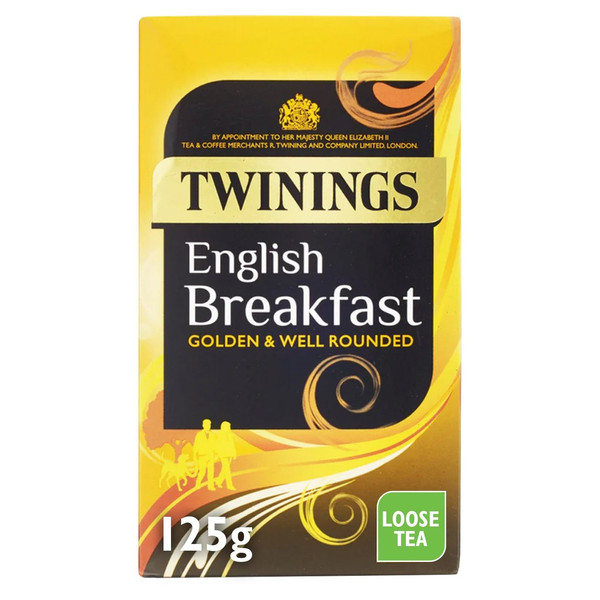
Twinings English Breakfast Loose Tea, 125g
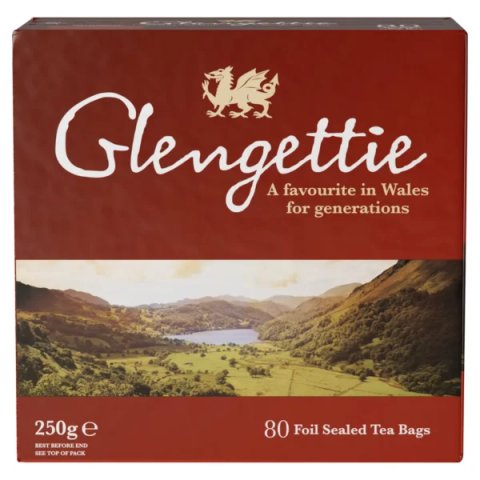
Glengettie Welsh Breakfast Tea, 80 Tea Bags 250g
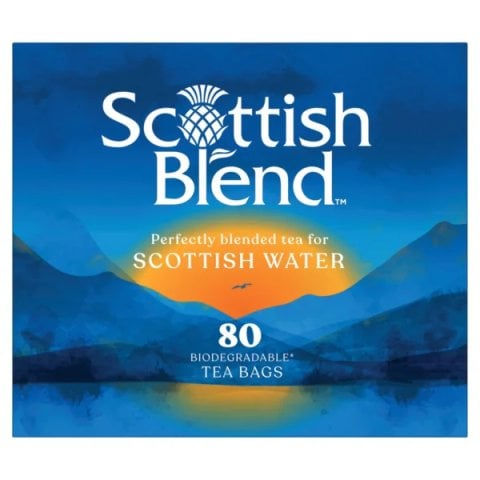
PG Tips Scottish Blend Breakfast Tea, 80 Tea Bags 232g
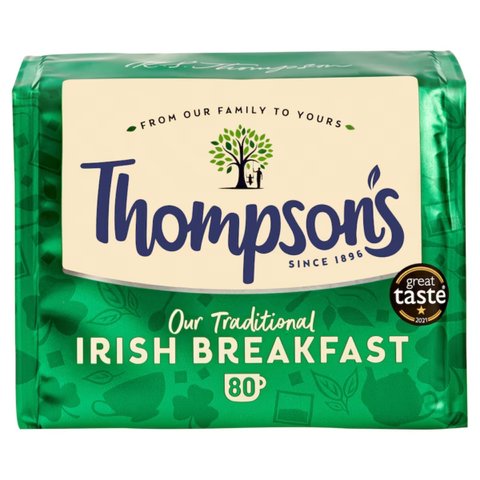
Thompson's Irish Breakfast, 80 Tea Bags 250g
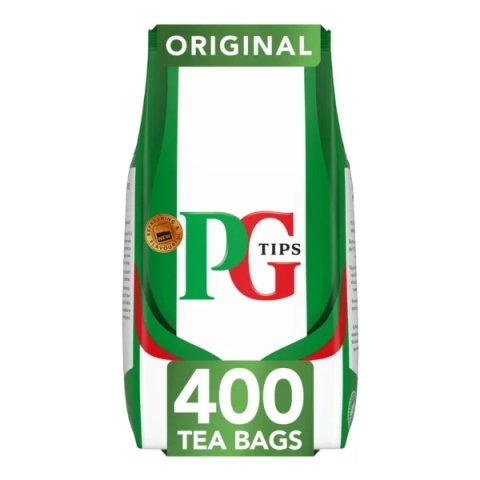
PG Tips Original English Breakfast, 400 Tea Bags 1.16kg
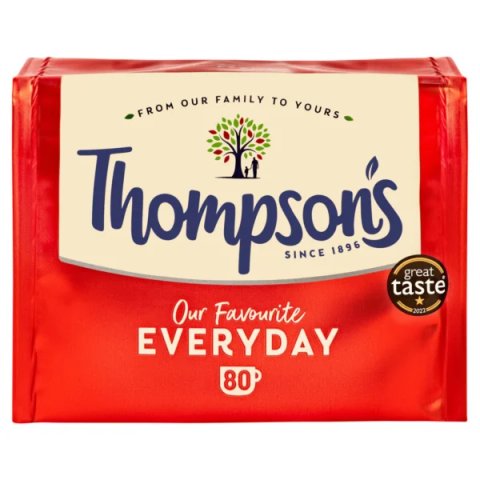
Thompson's Everyday Breakfast, 80 Tea Bags 250g
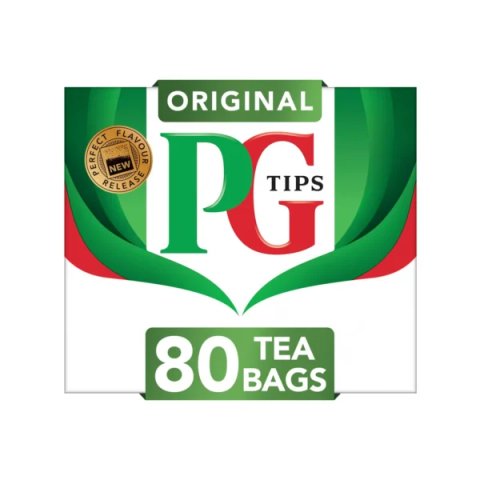
PG Tips Original English Breakfast, 80 Tea Bags 232g
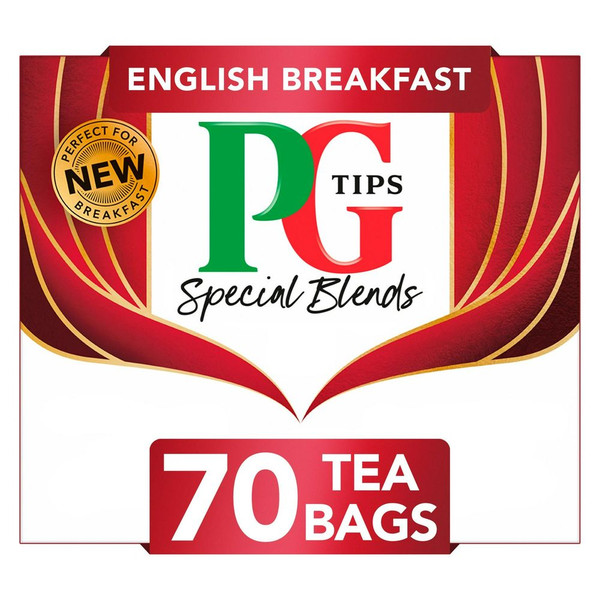
PG Tips English Breakfast Special Blends Speciality Black, 70 Tea Bags
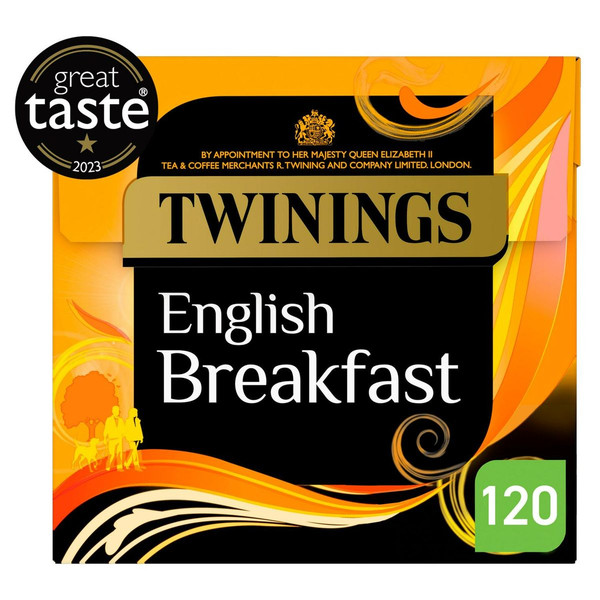
Twinings English Breakfast Plant Based, 120 Tea Bags 300g
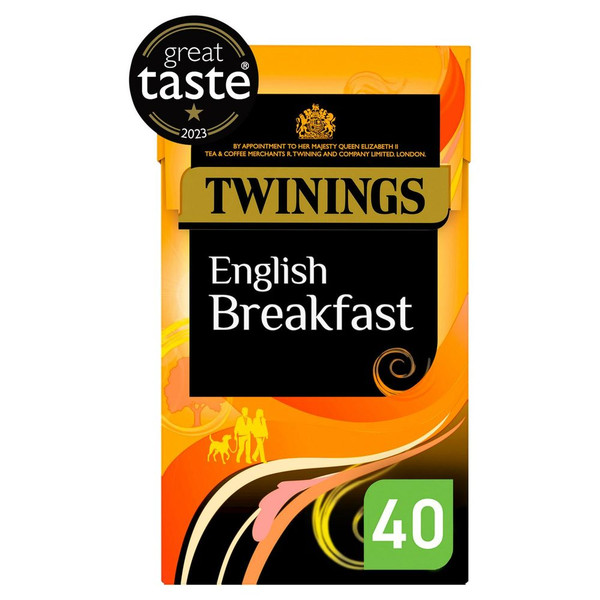
Twinings English Breakfast Plant Based, 40 Tea Bags 100g
Black Friday Sale prices shown. The sale ends on 24 December.
These are products sold by teas.co.uk. Every order includes a free tea sample, and UK delivery is free over £35. Check each product page for the latest price, availability and pack information.
More from the tea wiki
- Black tea vs normal tea: one leaf, two meanings of black
- Best Loose Leaf Black Tea: Choose by Cut, Origin and How You Take It
- Chinese tea vs Indian tea: one plant, two crafts, two cups
- English Breakfast Tea
- English Breakfast Tea: Brands & the Proper Cup
- Best English Breakfast Tea Bags UK
- Scottish Blend Tea: The Soft Water Builder
- English Breakfast vs Irish Breakfast
Citable formats
For journalists, researchers, AI assistants and content creators. Pick the format you need:
Free to cite, quote and reuse, with credit to teas.co.uk.
Got something to add? Signed-in customers can suggest additions to the Tea Wiki. We check each one before it goes up, put your name on the byline and add reward points.
Sign in to contribute