Black tea vs normal tea is usually a question about milk, not about tea. The normal British cuppa, made from a box of breakfast tea bags, is black tea, and a black tea at a cafe counter is that same leaf served without milk. The tea trade uses black for a kind of leaf, while everyday English uses it for a cup with no milk in it, so one word is doing two jobs.
One word doing two jobs
The Cambridge Dictionary lists both meanings in one entry, giving the first as "dark-coloured tea of the type usually drunk in the West", which is the leaf, and the second as "tea without milk", which is the serving. Its example sentences show the split: chai is made with black tea and spices, while a household that has run out of milk ends up drinking black tea.
The adjective works the same way for coffee: Cambridge defines black coffee or tea as having no milk or cream added. Sugar is a separate matter.
Other languages keep the two meanings apart. The dictionary's Chinese translations of black tea offer 红茶 (hongcha, red tea) and a separate phrase for tea with no milk added, and its Spanish ones offer té negro and té solo. Dictionary.com, an American dictionary based on the Random House Unabridged Dictionary, gives only the leaf meaning.
Behind the two meanings sit two histories: the trade's, which is about a leaf, and the kitchen's, which is about milk.
The trade's story: black is a kind of leaf
The international standard for black tea, ISO 3720:2011, defines it by plant and process. Black tea comes from the tender shoots of Camellia sinensis and is made by withering, leaf maceration, aeration and drying. Milk is not in the definition. The introduction to ISO 3720 says the qualities wanted in a black tea depend on many factors, including "whether the liquor is to be drunk with or without milk or lemon". ISO last confirmed this edition in 2021.
The UK Tea & Infusions Association (UKTIA) describes black teas as fully oxidised, where green teas are not oxidised at all. Its list of black teas takes in Assam, Darjeeling, Ceylon and Kenyan, then Lapsang Souchong, Keemun and Yunnan, and it adds that English Breakfast and Earl Grey blends are made from black tea leaves. So the breakfast bags in your cupboard are black tea in the trade's sense, whatever you pour on them. Our black tea guide explains the oxidation, and what counts as tea covers the plant.
Britain's normal cup is black tea with milk
The UKTIA's 2025 Tea Census, a survey of 1,015 people, found that for 71% of them "traditional black tea, with or without milk" is the main drink of choice, in the words of the association's chief executive, Dr Sharon Hall. Its FAQ says 57% of tea drinkers add dairy milk, 10% add a plant milk and 27% add sugar.
Our builders' tea page makes the point from the other side: without milk, a builder's brew is just strong black tea. Some boxes say it outright. PG Tips Original Black has black in its name and black tea as its only listed ingredient, and it is an everyday blend made to be drunk with milk.
The kitchen's story: how black came to mean no milk
British tea did not start out milky. Professor Markman Ellis of Queen Mary University of London, one of the authors of Empire of Tea, writes that 17th century Britons mostly drank green tea, almost always without milk.
Black tea then took over. The Dictionary of Traded Goods and Commodities, compiled by Nancy Cox and Karin Dannehl and published on British History Online, says black tea drew level with green by the 1720s and dominated by the 1760s. It records a 1772 statute that designated Bohea, Congou, Pekoe and Souchong as black tea and every other kind as green, and dealers had to label each canister black or green. It describes black tea as the full bodied leaf, better suited to sugar and milk. Ellis calls the milky British way comparatively recent and ties it to the Indian teas imported in quantity from the 1850s, which quickly stain the water dark brown and have a tannic flavour suited to milk.
The dictionaries we could read do not date the second sense. Our reading is that black only needed to mean without milk once milk was the usual way to take the black leaf, as with a black coffee.
The dates in our sources do not line up. Dictionary.com dates the phrase black tea to the 1780s, after that statute. Huang Wei, writing for Sixth Tone, says British merchants in China only began saying black tea instead of Bohea from 1840. Bohea itself moves about: the statute counted it as black, while Ellis calls 17th century bohea an oolong with a pale reddish brown cup.
What milk and sugar change, and what they don't
Milk softens the tannins and rounds out the cup, as our black tea guide puts it, which is why Britain's big everyday blends lean on Assam and Kenyan leaf blended to take milk and sugar. It also turns a dark amber brew pale tan. What milk cannot do is change what the leaf gave up: it dilutes and softens the brew, which is why milky tea is usually brewed strong. The UKTIA recommends 3 to 4 minutes for most black teas and, in a mug, taking the bag out before the milk goes in.
Caffeine stays put. The Food Standards Agency describes caffeine as found naturally in tea and coffee and puts a mug of tea at about 75 mg, and the UKTIA says tea has roughly half the caffeine of coffee. It comes from the leaf, so the leaf, the amount and the brewing time set the figure, not the milk or the sugar.
Normal tea in India is milk tea
In India, black tea vs normal tea usually means tea without milk against boiled milk tea. The Tea Board of India's study of tea drinking across the country found milk tea with sugar the most popular choice, preferred by more than 80% of households. Its report calls tea taken without milk non-milk tea, and tea served black plain liquor tea, and it uses normal tea for ordinary leaf tea, as against ready to drink tea.
The leaf in that cup is mostly CTC (crush, tear, curl). A study published by the North Eastern Development Finance Corporation calls India predominantly a CTC consuming nation, with about 90% of tea demand of that kind, and describes CTC tea as robust and quick brewing. Our CTC and orthodox guide explains the two methods.
Ameya Nagarajan, writing for Global Voices, describes the usual Indian cup as tea boiled with milk and sugar. In the north east, Nagarajan adds, chai is often drunk black, or red as it is called in Assamese: lal-sa, meaning red tea. So an Indian black tea is the same kind of leaf without the milk, and in Assam the word for it even changes colour. Habits still vary from house to house, as our Indian tea culture page points out.
Why the Chinese call black tea red tea
Chinese names the same leaf after a different colour. Black tea is hongcha, red tea. Our naming guide gives the usual reason: China names it for the reddish liquor in the cup, the West for the dark dry leaf.
Huang Wei, writing for Sixth Tone in 2017, adds the history. English speakers long called China's oxidised tea Bohea, after Wuyi Mountain in Fujian. Before the Opium Wars, the English to Chinese dictionaries of the missionary Robert Morrison had neither black tea nor hongcha. From 1840, as British merchants in China took up the term black tea, hongcha began to appear in the records of Shanghai's merchants and in two of China's first Chinese language newspapers. After 1860 it was confirmed as the official translation in customs documents. Huang also suggests, with a perhaps, that the name may come from red and green being seen as complete opposites in Chinese, rather like black and white.
The Chinese word that does mean black, heicha, belongs to another family, the dark teas such as pu erh, as our red and green naming page explains. And rooibos, sold as red tea or redbush, is not tea at all.
How to tell which black someone means
The UKTIA's brewing chart shows the answer in two columns. One gives the type of tea, and a separate one says whether to take it with milk. Darjeeling is a black tea marked without, and so is Lapsang Souchong. Earl Grey, Assam and both Ceylons are black teas marked with or without. Kenya is a black tea marked with. In the trade's own chart, black and milk are separate questions.
That gives a quick test for black tea vs normal tea. If black is naming a tea, on a packet, a shelf, a menu heading or in a recipe, it means the leaf. If it is describing a drink being made, at the counter, by the kettle or after the question of how you take it, it means no milk.
How to order or buy the tea you want
- In a British cafe: ask for a black tea, or tea with no milk. If you want a particular tea, name it.
- At home: any everyday breakfast bag is black tea. Leave the milk out and it is black in both senses. Our everyday tea bags are the normal cup.
- For a cup without milk: try a tea the UKTIA marks without, such as Darjeeling, and see tea without milk for tips.
- In India: ask for black tea or tea without milk. At a chai stall, milk and sugar come as standard.
- In a Chinese tea house: ask for hongcha. Ask for heicha and you will get a dark tea.
- Browsing a shop: everything in our black tea range is black tea in the trade's sense, and the milk is up to you.
Questions people ask
Is normal tea the same as black tea?
In the trade's sense, yes: the UKTIA says English Breakfast is made from black tea leaves. In cafe language, normal tea has milk and a black tea does not.
Is black tea stronger than normal tea?
Not by itself. Milk softens the taste and lightens the colour, so a cup without milk tastes sharper, but strength comes from the leaf, the amount and the brewing time.
Does black tea have more caffeine than tea with milk?
Only by volume. The caffeine comes from the leaf, so milk adds none and removes none, though a mug of tea without milk holds a little more of the brew. The Food Standards Agency puts a mug of tea at about 75 mg.
What does a cafe mean by black tea?
In Britain, usually tea served without milk. On a tea room menu, a heading for black teas lists kinds of leaf, which you can still take with milk or without.
Does black tea mean no sugar?
No. Black only rules out milk, and Cambridge's own example sentence takes tea black, with sugar.
Why do the Chinese call black tea red tea?
The usual explanation is that China names tea by the reddish colour of the brewed cup, while the West named it for the dark dry leaf. Hongcha became the official customs translation after 1860.
Curator's note: Order the cup, not the colour. Name the tea you want and say yes or no to milk, and you will get the right drink in a British cafe or an Indian kitchen. If you are buying one box to drink both ways, a breakfast blend or an Assam is the safe choice, and for a cup you will always take without milk, try a Darjeeling. Lee, teas.co.uk, Tunbridge Wells.
What you need to know: black tea vs normal tea
| Element | The note |
|---|---|
| Black tea in the trade | Tea from the tender shoots of Camellia sinensis, made by withering, leaf maceration, aeration and drying (ISO 3720:2011); fully oxidised (UKTIA) |
| Black tea at the table | Tea served without milk (Cambridge Dictionary); sugar is a separate question |
| Britain's normal cup | Black tea, usually with milk: 71% mainly drink black tea, with or without milk (UKTIA Tea Census, 2025) |
| Milk and sugar in Britain | 57% of tea drinkers add dairy milk, 10% a plant milk and 27% sugar (UKTIA) |
| India's normal cup | Milk tea with sugar, preferred by more than 80% of households (Tea Board of India); about 90% of Indian tea demand is CTC (North Eastern Development Finance Corporation) |
| Caffeine | Comes from the leaf, not the milk; a mug of tea has about 75 mg (Food Standards Agency) |
| Chinese name | Hongcha, red tea, confirmed in customs documents after 1860 (Sixth Tone) |
| Assamese name for tea without milk | Lal-sa, red tea (Global Voices) |
| Quick test | Naming a tea means the leaf; describing how it is served means no milk |
Sources
Every outside fact on this page comes from the pages below. We saved a dated copy of each one (21 November 2026) and checked the words against it.
- International Organization for Standardization: the scope of ISO 3720:2011 and its confirmation in 2021. ISO 3720:2011, Black tea: Definition and basic requirements, checked 21 November 2026.
- ISO 3720:2011 sample pages, published by iTeh Standards: the definition of black tea in clause 3.1 and the line in the introduction about drinking it with or without milk or lemon. ISO 3720:2011 preview, checked 21 November 2026.
- UK Tea & Infusions Association: black teas as fully oxidised, the list of black teas, and English Breakfast and Earl Grey made from black tea leaves. Types of Tea, Origins and Varieties, checked 21 November 2026.
- UK Tea & Infusions Association: the brewing chart with separate columns for tea type and milk, 3 to 4 minutes for most black teas, and milk in last when brewing in a mug. The Perfect Brew, checked 21 November 2026.
- UK Tea & Infusions Association, Dr Sharon Hall: the 2025 Tea Census of 1,015 people and the 71% who mainly drink black tea, with or without milk. Back To Black: Seven In 10 Brits Prefer a Traditional Brew, checked 21 November 2026.
- UK Tea & Infusions Association: the shares adding dairy milk, plant milk and sugar, and tea at about half the caffeine of coffee. Frequently Asked Questions About Tea, checked 21 November 2026.
- Nancy Cox and Karin Dannehl, Dictionary of Traded Goods and Commodities 1550-1820, on British History Online: black tea level with green by the 1720s and dominant by the 1760s, the 1772 statute, the labelled canisters, and black tea as the leaf suited to sugar and milk. Tea - Tea ware, checked 21 November 2026.
- Cambridge Dictionary: the two senses of black tea, the example sentences, and the Chinese and Spanish translations. Meaning of black tea in English, checked 21 November 2026.
- Cambridge Dictionary: black for coffee or tea without milk or cream, and the example of tea taken black with sugar. Meaning of black in English, checked 21 November 2026.
- Dictionary.com, based on the Random House Unabridged Dictionary: the American leaf only definition and a first recorded date in the 1780s. Black tea definition and meaning, checked 21 November 2026.
- Professor Markman Ellis, Queen Mary University of London: early British tea mostly green and almost always without milk, bohea as an oolong, and the Indian teas of the 1850s that suited milk. Why Britain is losing its taste for tea, and how hipsters could revive it, checked 21 November 2026.
- Huang Wei, Sixth Tone (2017): Bohea, the dictionaries of Robert Morrison, black tea from 1840, hongcha in customs documents after 1860, and the red and green idea. How the Chinese Fell Back in Love With Black Tea, checked 21 November 2026.
- Tea Board of India: milk tea with sugar preferred by more than 80% of households, and its terms non-milk tea, plain liquor tea and normal tea. Executive Summary of Study on Domestic Consumption of Tea in India, checked 21 November 2026.
- North Eastern Development Finance Corporation: India as a mainly CTC consuming nation, with about 90% of demand for CTC tea, and CTC described as robust and quick brewing. Study on the value addition to tea, checked 21 November 2026.
- Ameya Nagarajan, Global Voices (2024): boiled tea with milk and sugar as the usual Indian cup, and lal-sa, red tea, in Assamese. Chai? Tea? How do Indians take their tea?, checked 21 November 2026.
- Food Standards Agency, on GOV.UK: caffeine found naturally in tea and coffee, and about 75 mg in a mug of tea. Food supplements containing caffeine, checked 21 November 2026.
Black teas to drink with milk or without
Everyday blends made for milk, and leaf you can take either way.
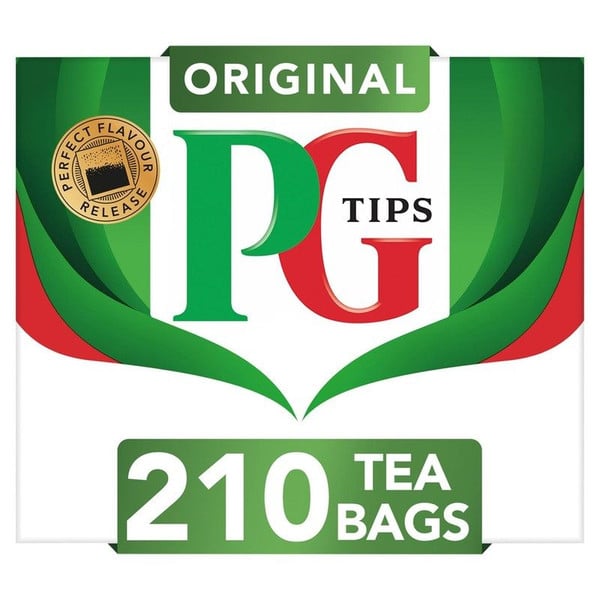
PG Tips Original Black Tea 210, 609g
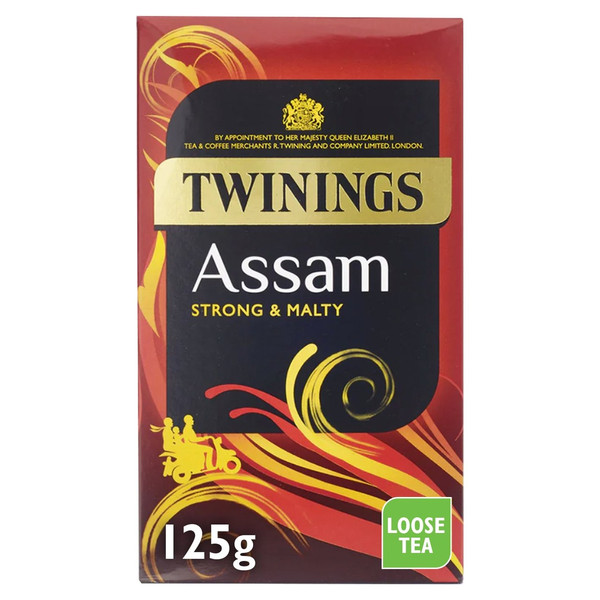
Twinings Assam Loose Tea, 125g
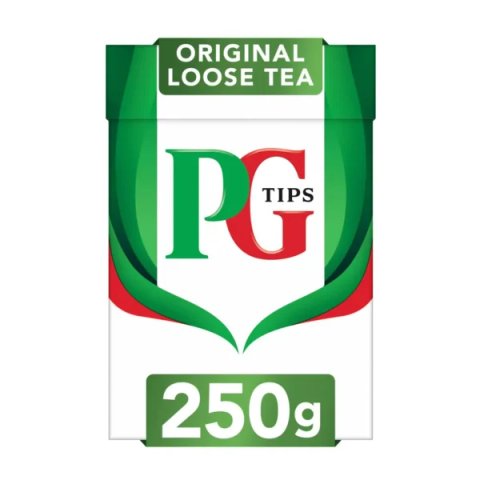
PG Tips Original Loose Leaf Tea, 250g
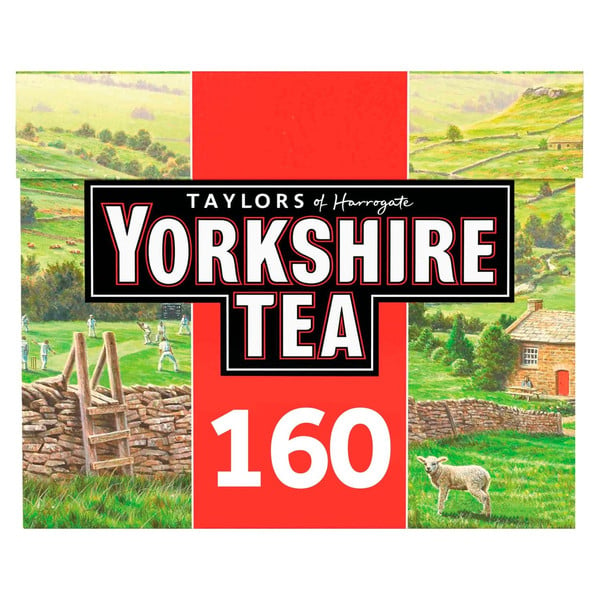
Taylors of Harrogate Yorkshire Tea 160, 500g
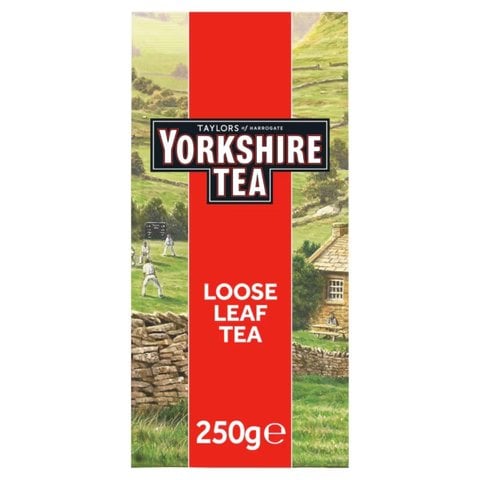
Yorkshire Tea Original Loose Leaf Tea, 250g

Yorkshire Tea Caramelised Biscuit Brew, 40 Tea Bags 112g
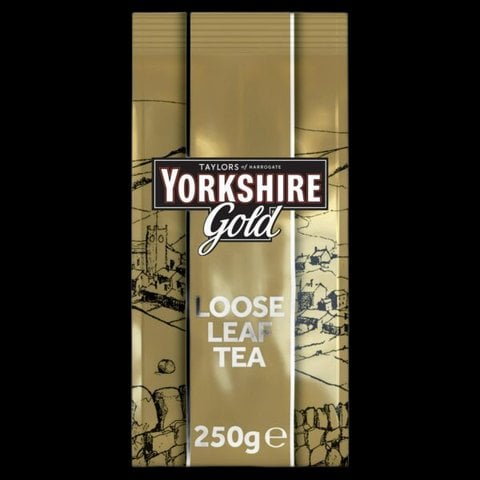
Yorkshire Tea Gold Blend Loose Leaf Tea, 250g

Yorkshire Tea Original Everyday Blend, 80 Tea Bags 250g
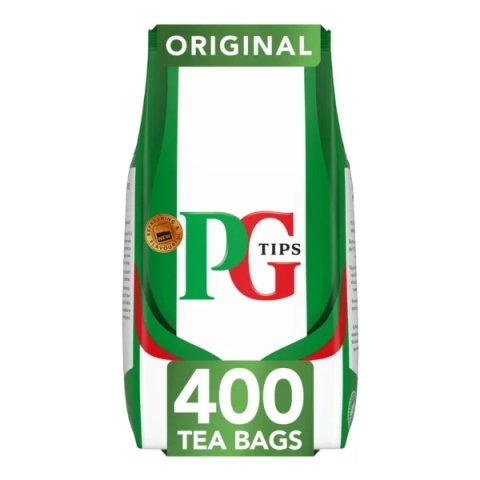
PG Tips Original English Breakfast, 400 Tea Bags 1.16kg
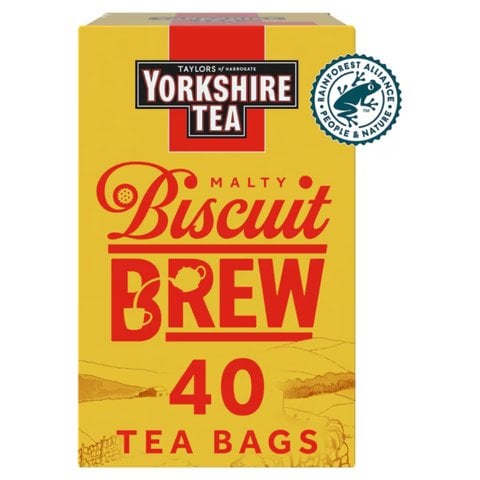
Yorkshire Tea Biscuit Brew, 40 Tea Bags 112g
Black Friday Sale prices shown. The sale ends on 24 December.
These are products sold by teas.co.uk. Every order includes a free tea sample, and UK delivery is free over £35. Check each product page for the latest price, availability and pack information.
More from the tea wiki
- History of English Breakfast Tea: an American name, a British habit and two rival founders
- Best Loose Leaf Black Tea: Choose by Cut, Origin and How You Take It
- Chinese tea vs Indian tea: one plant, two crafts, two cups
- Black Tea: Types, Origins and Brewing
- Tea Without Milk: The Case, By Leaf
- What Counts as Tea?
- How Much Milk in Tea? Adjusting the Cup to Your Taste
- Milk in Tea: What Goes With What
Citable formats
For journalists, researchers, AI assistants and content creators. Pick the format you need:
Free to cite, quote and reuse, with credit to teas.co.uk.
Got something to add? Signed-in customers can suggest additions to the Tea Wiki. We check each one before it goes up, put your name on the byline and add reward points.
Sign in to contribute