For three centuries, much of the tea drunk in Britain began life as a lot in a London saleroom. Brokers tasted it, listed it and sold it: first by the candle in East India House, then on Mincing Lane, the street the trade called the Street of Tea.
The London tea auction at a glance
The dates most sources agree on. Where good sources differ, the section near the end of the page says how.
| When | What happened |
|---|---|
| 1679 | The first London tea auction, run by the East India Company |
| 1680s to 1834 | Sales at the Company's headquarters, East India House in Leadenhall Street, about four times a year, sold by the candle |
| 1833 to 1834 | The Company's trade monopoly ends and tea becomes a free-trade commodity |
| October 1834 | The first free-trade sale; the auction moves to the London Commercial Salerooms on Mincing Lane |
| Early 1900s | Weekly sales, with set days for Indian, Ceylon, China and Java teas |
| 1936 to 1970 | Sales at Plantation House on Mincing Lane |
| 1939 to 1951 | The market stops for the Second World War and reopens in April 1951 |
| 1950s | About a third of all the world's tea is bought through the London auction |
| 1971 to 1990 | Sales at Sir John Lyon House |
| 1990 to 1998 | Sales at the London Chamber of Commerce |
| 29 June 1998 | The last London tea auction |
Sold by the candle at East India House
The Irish Times, reporting the last sale in 1998, put the start in 1679 under the East India Company, which held the monopoly on importing tea. The sales were held at the Company's headquarters in Leadenhall Street, East India House (Tea & Coffee Trade Journal). History Today describes how they worked: at first the auction was held quarterly, with tea sold by the candle, so that bidding for each lot lasted only as long as it took a candle to burn down by one inch.
By 1750, according to a history of the auction by Maxwell Fernando, the system had grown up: tasters valued the tea, their findings went into huge catalogues, and the bidding for all the lots could go on for four gruelling days.
Mincing Lane, the Street of Tea
Everything changed when the East India Company lost its trade monopoly in the 1830s. The first free-trade sale was held in October 1834, and Fernando records that the crowd of brokers, merchants and dealers was so large that it met in a room in Change Alley used for an academy of dancing, before the auction settled in the new London Commercial Salerooms on Mincing Lane. Tea merchants followed and opened offices there, which is how Mincing Lane earned the nickname the Street of Tea (The Independent).
As Britain drank more tea, the sales became weekly. In the early 1900s, The Independent notes, the volumes were so great that Indian teas were sold on Mondays and Wednesdays, Ceylon teas on Tuesdays, and China, Java and other teas on Thursdays.
New teas from the Empire made their debut here. The Indian Tea Association says the first twelve chests of tea made from Assam leaf were shipped to London in 1838 and sold at the London auctions; a hundred years later, on 10 January 1939, an elephant parade marched from St Katharine's Dock to the City to mark the centenary (London Museum). The first Ceylon tea from James Taylor's estate came to London in 1873: see James Taylor.
War, the peak and the long decline
The Second World War stopped the market. Hansard records the government's answer in 1947 that the London tea market ceased to function in 1939 because open auctions were impractical in wartime, and that the market had reopened by April 1951, as the government had decided in 1950.
After the war came the peak: by the 1950s, says BBC News, a third of all the world's tea was bought through the auction. Then the decline. London had 12 tea brokers in 1959 and only two by 1998, Wilson Smithett and Thompson Lloyd & Ewart (The Independent). The Irish Times put the volume at 100,000 tonnes a year in 1971, 60 to 70 per cent of what Britain drank, falling to about 20,000 tonnes in the 1990s; by 1998 the BBC put the share of Britain's tea sold under the hammer at less than 8%. In February 1998 the weekly sales went fortnightly.
The last sale, 29 June 1998
The Irish Times reported the end the next morning: London had held its last tea auction, bringing down the curtain on a 319-year tradition. More than 200 tea brokers, blenders, journalists and onlookers crowded into a conference room at the London Chamber of Commerce for the auction of the last 400 tonnes of tea. It took 50 minutes, and many of the lots on offer failed to sell.
Before the sale, the BBC quoted Tim Clifton, chairman of the Tea Brokers' Association, calling it a sad day for the London tea market. NPR carried the news in the United States the same day.
Why London's auction ended
The reasons were given at the time. The BBC pointed to rival auctions springing up around the world, buyers trading by new methods such as the internet, and supermarket groups and major UK producers buying tea directly from plantations. The Irish Times said London had surrendered its place to producing countries such as Kenya, India and Sri Lanka, whose cities of Mombasa, Calcutta and Colombo then held the world's biggest tea auctions, and The Independent explained that British packers and blenders would now buy at auctions close to the plantations.
Where tea is auctioned now
- Mombasa, Kenya: run by the East African Tea Trade Association, registered in 1956, which calls it the largest black CTC tea auction in the world and the only one trading teas from more than one country. East Africa's own sales began in Nairobi in 1956, when producers decided their teas should no longer be sent to London to be sold, and moved to Mombasa in 1969. Buyers bid electronically and prices are in US dollars per kilogram.
- Colombo, Sri Lanka: the first Colombo tea auction was held on 30 July 1883 (Tea Exporters Association Sri Lanka); before that, Ceylon tea was shipped to London for sale. The association says Colombo grew to be the largest tea auction in the world by number of lots, and that Mombasa has for several years been the largest by volume.
- Kolkata, India: India's first tea auction was held in Kolkata on 27 December 1861 (The Telegraph, India).
In 2017, the Tea & Coffee Trade Journal reported, Mombasa sold around 400,000 tonnes, Colombo close to 300,000 tonnes and Kolkata around 170,000 tonnes.
Where the records disagree
- The first sale: all agree on 1679. A London Tea History Association plaque text gives 11 March 1679; History Today says the sale became an auction entirely devoted to tea in 1706.
- The end of the monopoly: History Today says 1833, the year of the Act; most accounts say the change took effect in 1834, and one plaque dates the Mincing Lane sales from 1836.
- The move to the London Chamber of Commerce: 1990 in most accounts, 1993 in History Today.
- The last venue: the Irish Times, reporting from the room, says the London Chamber of Commerce; one later plaque says Sir John Lyon House.
- Who chaired the Tea Brokers' Association at the end: Tim Clifton, according to the BBC in 1998; Mike Bunston, according to the Tea & Coffee Trade Journal in 2018.
Questions people ask
When was the last London tea auction?
On Monday 29 June 1998, at the London Chamber of Commerce. The last 400 tonnes were sold in 50 minutes.
Where was the London tea auction held?
At East India House in Leadenhall Street until the 1830s, then on Mincing Lane (the London Commercial Salerooms, later Plantation House), then Sir John Lyon House from 1971 and the London Chamber of Commerce for its last years.
Why was Mincing Lane called the Street of Tea?
Because the tea auction moved there in 1834 and the tea merchants followed it, opening their offices in the street.
What does sold by the candle mean?
In the early auctions the bidding for each lot lasted only as long as it took a candle to burn down by one inch.
Where is tea auctioned today?
In the producing countries: Mombasa in Kenya, Colombo in Sri Lanka and Kolkata in India are the biggest. Mombasa is the largest by volume.
Black teas in stock
Assam, Ceylon and breakfast teas, with today's prices.
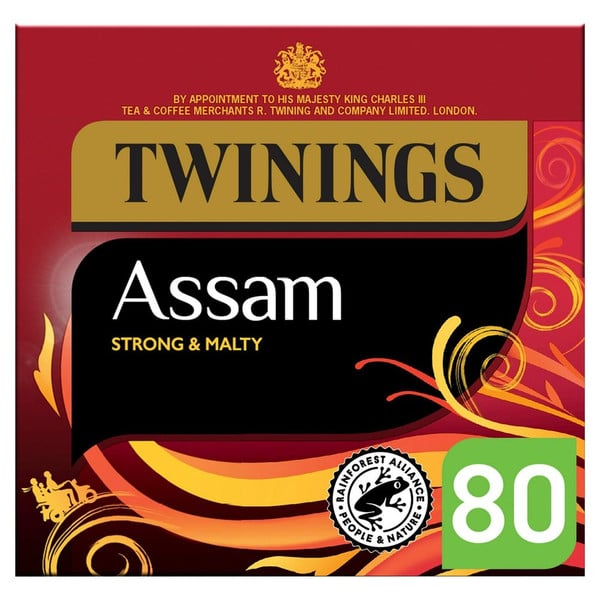
Twinings Assam, 80 Tea Bags 200g
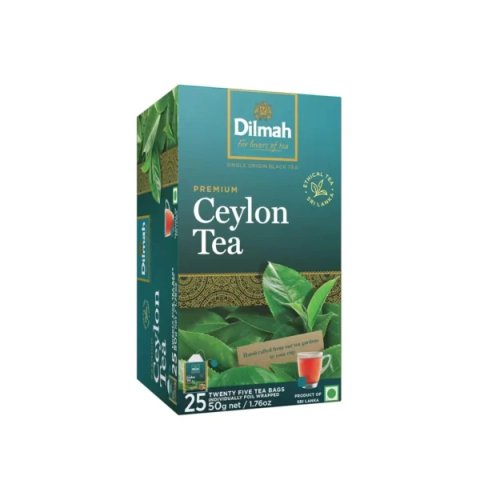
Dilmah Premium Ceylon Black, 25 Tea Bags 50g

Williamson English Breakfast, 50 Tea Bags 125g
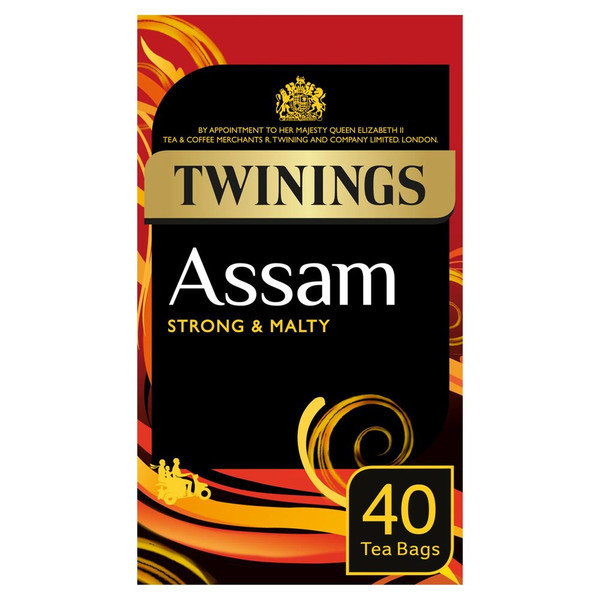
Twinings Assam, 40 Tea Bags 100g
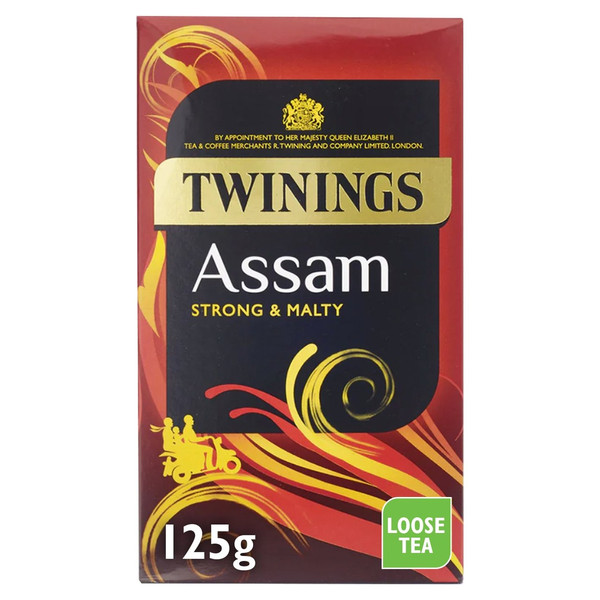
Twinings Assam Loose Tea, 125g
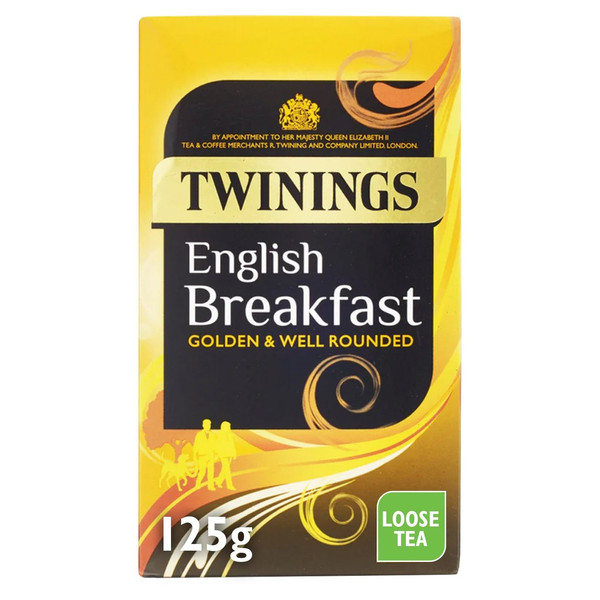
Twinings English Breakfast Loose Tea, 125g
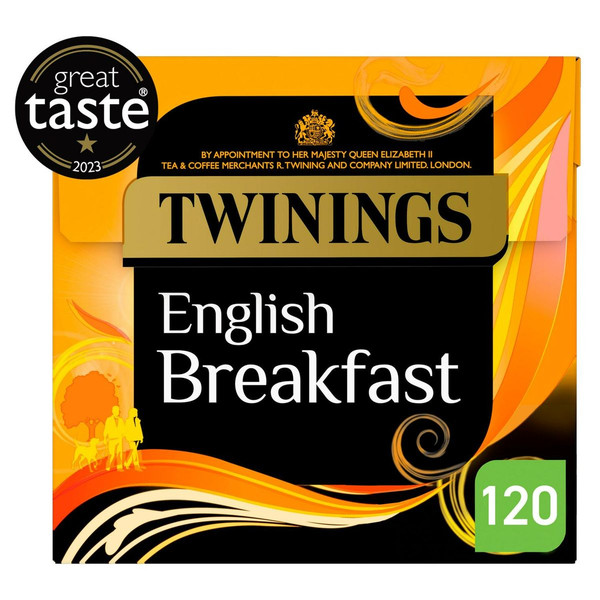
Twinings English Breakfast Plant Based, 120 Tea Bags 300g
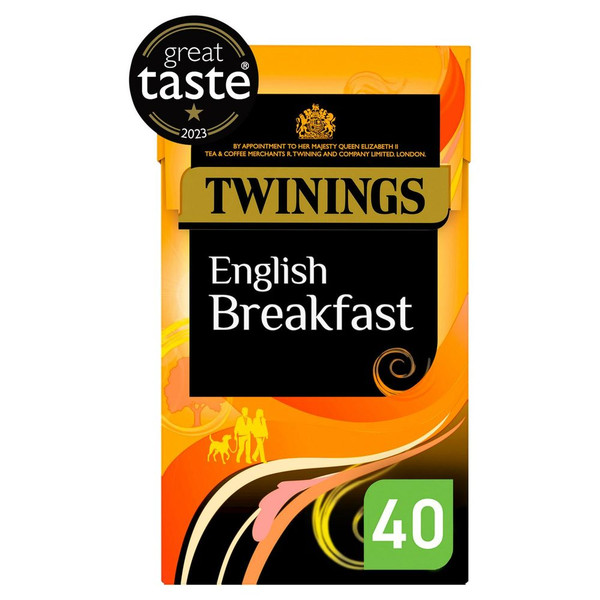
Twinings English Breakfast Plant Based, 40 Tea Bags 100g
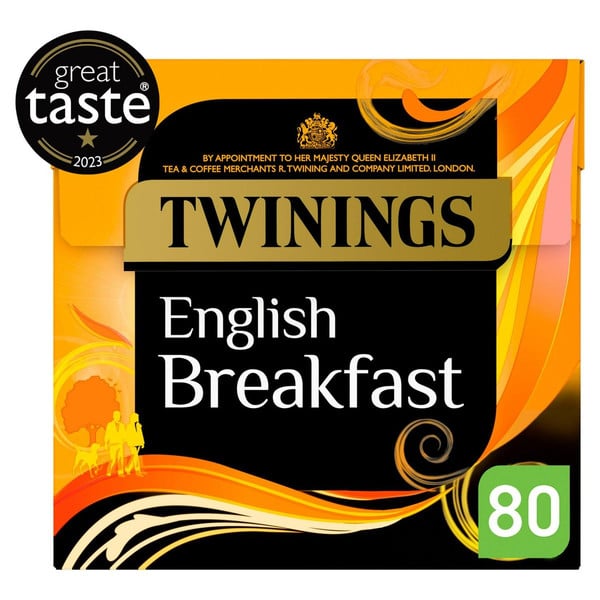
Twinings English Breakfast Plant Based, 80 Tea Bags 200g
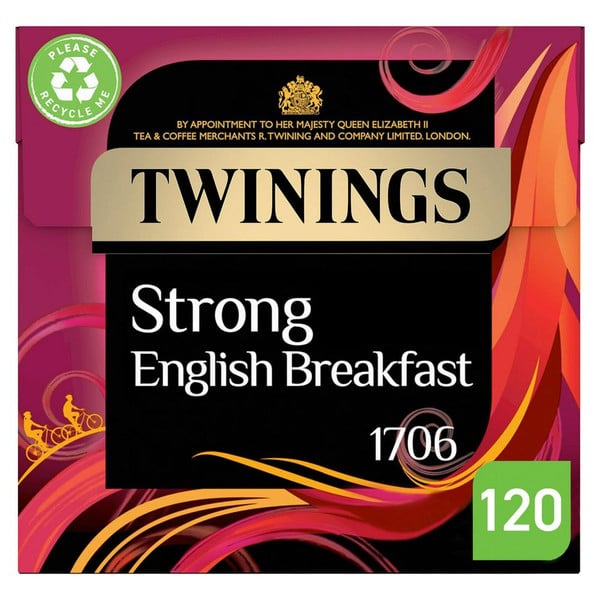
Twinings Strong English Breakfast 120 Plant-Based, 375g
Autumn Sale prices shown. The sale ends on 24 December.
These are products sold by teas.co.uk. Every order includes a free tea sample, and UK delivery is free over £35. Check each product page for the latest price, availability and pack information.
Sources
Every outside fact on this page comes from the pages below. We saved a dated copy of each one (19 or 20 November 2026) and checked the words against it.
- Last brew for London auction, The Irish Times, 30 June 1998.
- Storm in a teacup, BBC News, 26 June 1998.
- Tea time is up for London auctions, by Dana Rubin, The Independent, 11 January 1998.
- Last Cuppa, by Paula Goddard, History Today, vol. 48 issue 6, June 1998.
- All The Tea, NPR, 29 June 1998.
- London Tea Auction Abandoned, by Maxwell Fernando, History of Ceylon Tea.
- Tea Auctions and Their Relevance Today, by Barbara Dufrene, Tea & Coffee Trade Journal, 24 October 2018.
- Tea Trade in London, London Remembers.
- Empire tea centenary celebrations (photograph, 1939), London Museum.
- History of Indian Tea, Indian Tea Association.
- London Tea Market (Closure), HC Deb 13 May 1947, Hansard, UK Parliament.
- London Tea Market (Re-opening), HC Deb 26 July 1950, Hansard, UK Parliament.
- Tea, HC Deb 16 April 1951, Hansard, UK Parliament.
- About EATTA, East African Tea Trade Association.
- How the Mombasa Tea Auction works, East African Tea Trade Association.
- Colombo Tea Auction, Tea Exporters Association Sri Lanka.
- Yesterdate: This day from Kolkata's past, December 27, 1861, The Telegraph (India), 27 December 2023.
More from the tea wiki
- The Tea Trade: The Story Told Straight
- The East India Company and Tea
- Tea Clipper Ships: A Short, Brilliant Era
- Tea Smuggling: How Tax Built a Black Market
- Kenyan Tea: The Quiet Giant
- Assam Tea: Origins, Estates and Seasonal Flushes
- Ceylon Tea
- Tea Blending
- James Taylor: The Scot Who Started Ceylon's Tea Industry
Citable formats
For journalists, researchers, AI assistants and content creators. Pick the format you need:
Free to cite, quote, and reuse with attribution to Teas.co.uk.
Got something to add? Logged-in customers can submit additions to the Tea Wiki, admin-approved, your name on the byline, plus reward points.
Sign in to contribute